

A monument can tell you when it was built. A local can tell you why people still lower their voice when they walk past it. That is the fun of travelling through India; behind the famous fort, waterfall or temple, there is often another version of the place, one held together by stories, warnings, family retellings and the occasional “my grandmother swore this was true”. These aren’t always the stories you’ll find on the first line of a tourist brochure. Some are ancient myths, some are folk legends, and some sit somewhere between history and hearsay. So, if you’re bored of collecting the same sightseeing pictures as everyone else, try collecting local lore instead.
7 Indian Places With Fascinating Local Legends
1. Hampi, Karnataka: The Love Story Hidden In Its Boulders
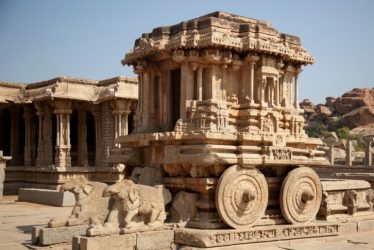
Hampi is usually introduced through the grandeur of the Vijayanagara Empire, but long before its ruins became an archaeological wonder, this landscape was part of a much older mythological story. According to Hindu tradition, Pampa, associated with the goddess Parvati, performed penance on Hemakuta Hill because she wished to marry Shiva. Shiva eventually accepted her and appeared as Virupaksha.
The marriage of Pampa and Virupaksha is still woven into Hampi’s religious traditions, particularly around the Virupaksha Temple. Suddenly, those enormous, almost surreal boulders around the city feel a little different. You’re not just walking through the remains of a lost empire; you’re standing inside a landscape that locals have long understood through gods, devotion and an unlikely love story.
Also Read: 8 International Destinations Every History Buff Should Visit At Least Once in Their Lifetime
2. Lakkidi, Wayanad: The Tree That Was Supposed To Hold A Ghost
On the road through the Thamarassery Ghat, there’s a tree that looks like it has been deliberately dressed for a horror film. An enormous ficus stands wrapped in a chain, and locals call it Changala Maram, the Chain Tree. The legend behind it involves Karinthandan, a tribal man who knew the forest intimately and is said to have guided a British engineer through the treacherous route.
According to the popular story, the engineer killed Karinthandan and claimed credit for discovering the passage. Afterwards, travellers reportedly began encountering accidents and unexplained disturbances, which were blamed on Karinthandan’s restless spirit. A ritual was performed to contain the spirit, and folklore says it was chained to the tree.
Also Read: History Nerds, London Has A House-Turned-Museum That Secretly Recorded Nazi Generals During WWII
3. Shani Shingnapur, Maharashtra: The Village That Didn’t Need Doors
Imagine walking through a village where houses traditionally had no doors and no locks. That is the first thing that makes Shani Shingnapur feel like somewhere outside the ordinary. The reason lies in the legend of Shani, the Hindu deity associated with the planet Saturn. Local tradition says that a mysterious black stone was discovered in the village and, when touched by a shepherd, began bleeding.
Shani then appeared in the shepherd’s dream and revealed himself through the stone, asking to remain in the village beneath the open sky. He also promised to protect the settlement. From this grew the extraordinary belief that thieves would not escape Shani’s punishment. The doorless tradition became the village’s most famous curiosity, turning an everyday architectural feature into an expression of faith; why bolt the door when your god is watching?
4. Nohkalikai Falls, Meghalaya: The Story Behind That Beautiful Blue Pool
The most spectacular view at Nohkalikai Falls comes with one of Meghalaya’s bleakest legends. At 340 metres, Nohkalikai is India’s tallest plunge waterfall, but its name carries the memory of a woman called Likai. Khasi folklore says that Likai, a widow with a young daughter, remarried. Her new husband grew jealous of the affection she showed her child. According to the legend, he murdered the girl and cooked her remains.
Likai returned home exhausted from work and unknowingly ate the meal before discovering what had happened. Devastated, she ran towards the cliff and threw herself over it. The waterfall’s name, Nohkalikai, is generally translated as “the leap of Likai.” It’s a story that changes the mood of the landscape completely. The turquoise pool below is beautiful, almost impossibly so, but once you know the name, you can’t look at it quite the same way.
5. Kuldhara, Rajasthan: The Village That Left One Night
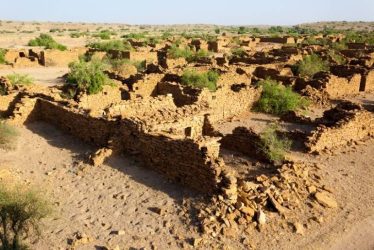
Just outside Jaisalmer, Kuldhara has the eerie stillness of a place that was interrupted rather than abandoned. The settlement was once home to Paliwal Brahmins, but by the early 19th century it had been deserted. The popular local legend gives a dramatic explanation; Salim Singh, the powerful Diwan of Jaisalmer, allegedly became determined to marry the daughter of the village headman.
When the villagers refused his demands, he threatened them. Rather than hand over the girl, the Paliwals are said to have left Kuldhara overnight, along with residents of surrounding villages. Before leaving, legend says they placed a curse on the land, declaring that no one would ever settle there again. The historical reasons for Kuldhara’s abandonment are more complicated and debated, but the legend has become inseparable from the ruins.
6. Tanot, Rajasthan: The Desert Temple With A War Story
Deep in the Thar, near the India-Pakistan border, Tanot Mata Temple carries a reputation that has little to do with ornate architecture and everything to do with what people believe happened during war. Tanot Mata is revered locally as a protective goddess, but her legend became particularly powerful during the 1965 India-Pakistan War.
According to the story preserved around the temple, Pakistani forces fired hundreds of shells towards the Tanot area, yet those that landed near the temple allegedly failed to explode. For soldiers stationed there, the incident became evidence of the goddess’s protection. The temple is now closely associated with the Border Security Force, which took over its management after the war, and a museum displays military memorabilia connected to the area.
7. Agrasen Ki Baoli, Delhi: Delhi’s Stepwell With A Reputation For Darkness
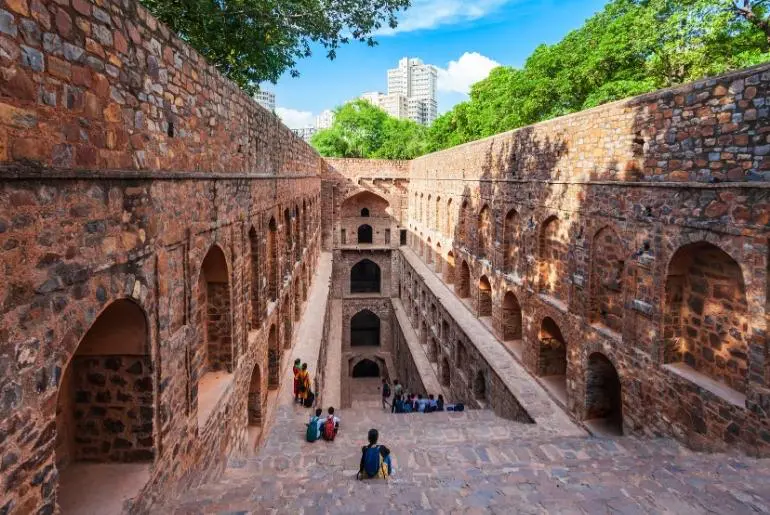
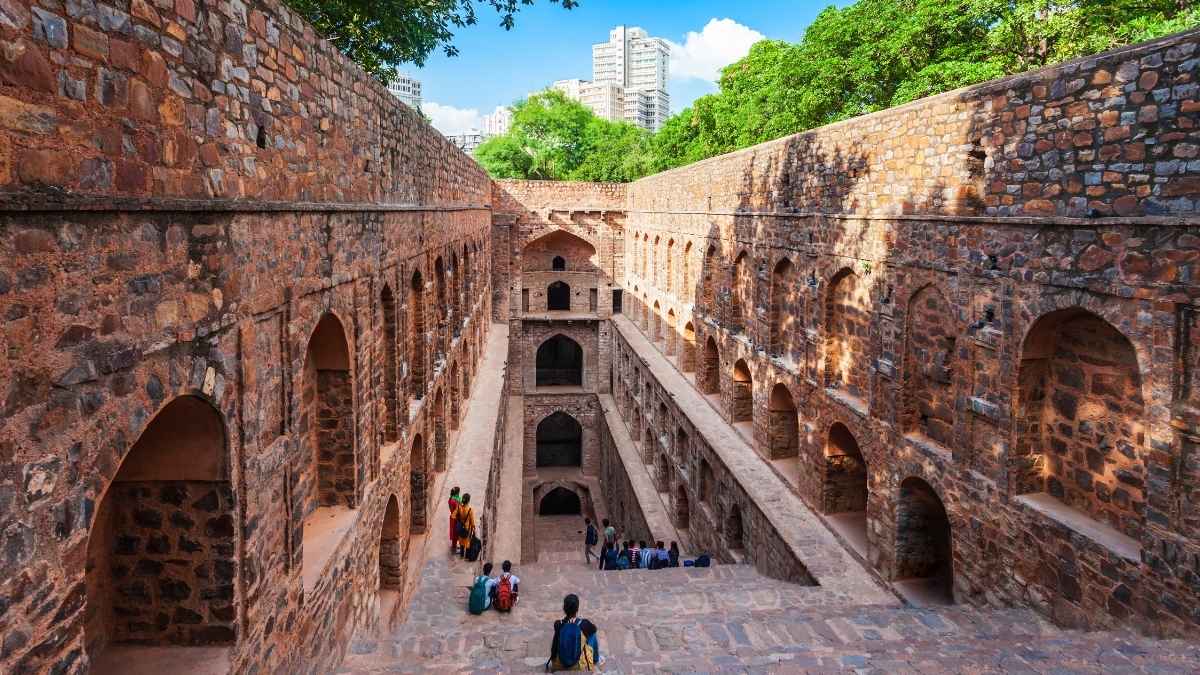
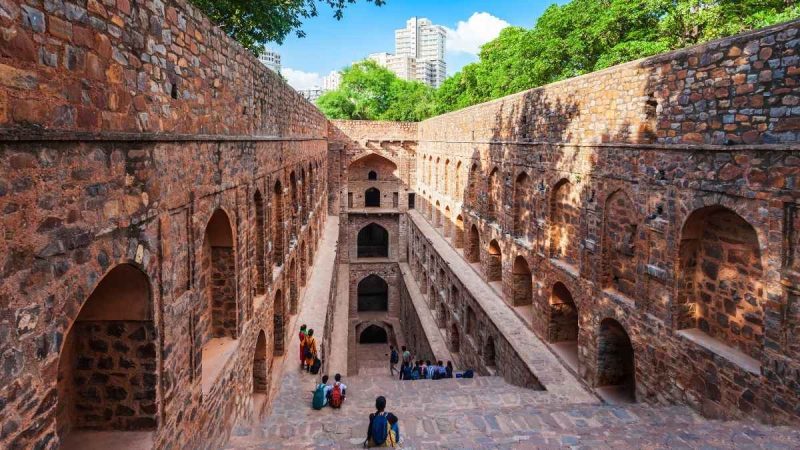
Wedged into one of the busiest parts of Delhi, Agrasen Ki Baoli is the sort of place you could walk past without realising you’ve stumbled upon one of the city’s strangest pieces of folklore. The 108-step stepwell is associated with a long-running legend that its dark waters were once bewitched, drawing people towards them and compelling them to take their own lives.
The water is gone now, leaving three tiers of arches and a deep, dramatic staircase descending into the earth. Historically, baolis were built to store water and became important communal spaces, so the practical reality was far less sinister than the story suggests. But folklore has a way of changing architecture.
Also Read: Why Do Devotees At THIS Tamil Nadu Temple Eat Sand? A Belief Of Miraculous Healing & History
The point of lore hunting isn’t to decide which stories are “true”. It’s to notice what a place chooses to remember. And honestly, that’s a much better story to bring home than another photograph of a monument.
Cover Image Courtesy: andrey/Canva Pro
FAQs
Which Indian Places Are Famous For Local Legends?
Hampi, Lakkidi, Shani Shingnapur, Nohkalikai Falls, Kuldhara, Tanot and Agrasen Ki Baoli are all associated with fascinating local folklore.
What Is The Legend Behind Hampi?
Hindu tradition connects Hampi with the story of Pampa, associated with Parvati, and her marriage to Shiva, who appeared as Virupaksha.
What Is The Story Behind Kuldhara Village?
According to popular legend, the Paliwal Brahmins abandoned Kuldhara overnight after the Diwan of Jaisalmer allegedly threatened to marry the village headman’s daughter.
Why Is Nohkalikai Falls Named After Likai?
Khasi folklore tells the tragic story of Likai, a woman who threw herself from the cliff after discovering that her daughter had been murdered.


