


Dubai is set to get a new look when it comes to finding streets, homes and neighbourhoods. The emirate is introducing a redesigned addressing system, with new street signs and house plates planned for 186 areas by 2030.
Dubai’s Streets And Homes Are Getting A Colour-Coded Makeover
One Design, Five Colours
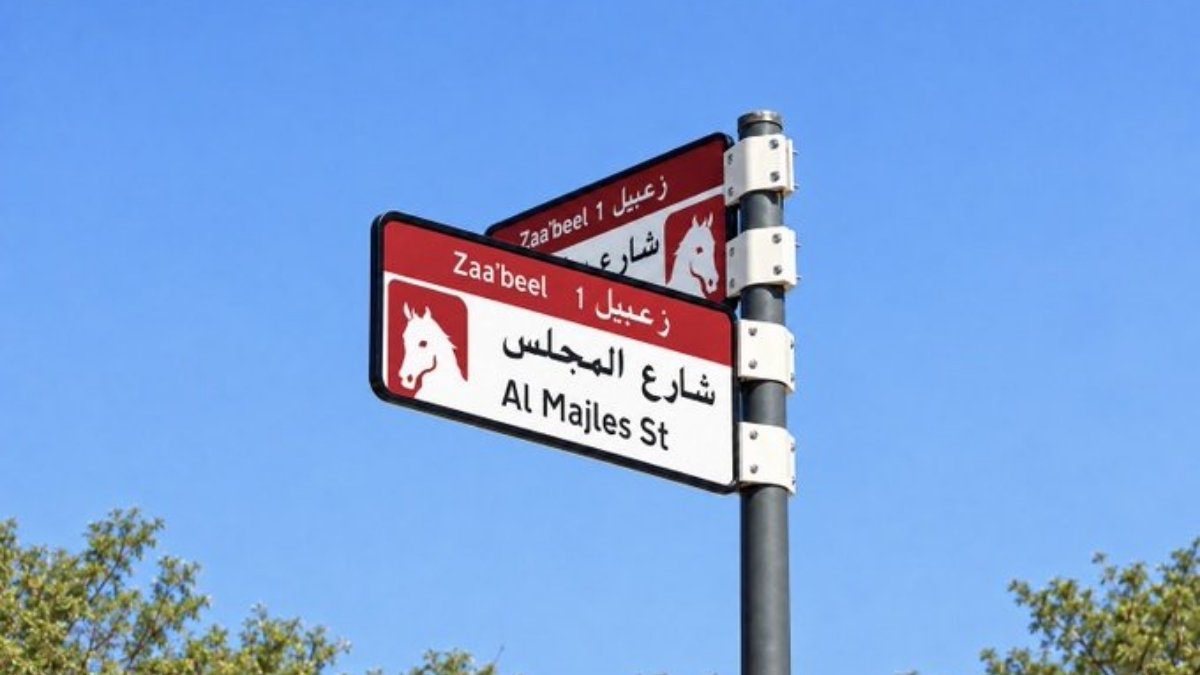
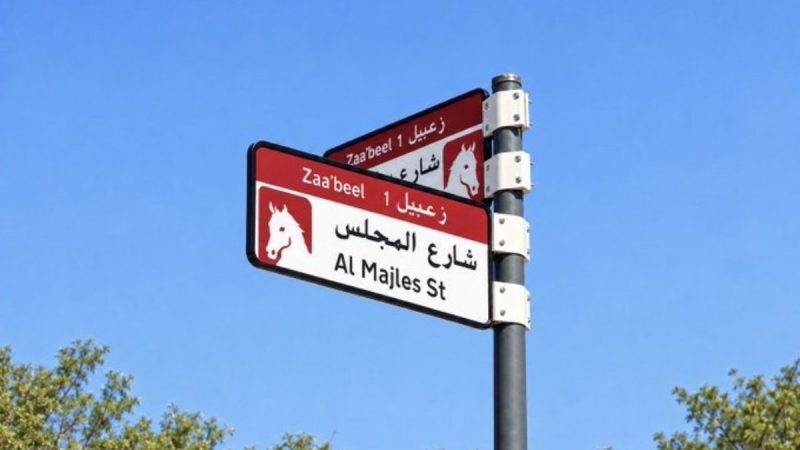
The Supreme Committee for Urban Planning, in coordination with #RTA and Dubai Municipality, has launched a new visual identity and enhanced addressing system for areas across the Emirate of Dubai. The initiative includes the installation and replacement of area identification signs, internal street name signs, and house number plates, featuring unified designs and colours that reflect the geographic characteristics of each area.
Developed through a specialist consultant in wayfinding and addressing design, the new system will help facilitate the identification of locations and improve accessibility, while enhancing the visual appeal of streets, residential neighbourhoods, and commercial districts.The implementation plan covers 186 areas distributed across 19 sectors throughout Dubai, under a phased programme that will begin in the fourth quarter of 2026 and continue through 2030. The first phase of the project will commence this year and will include the installation and replacement of more than 2,000 signs across five areas: Za’abeel 1, Za’abeel 2, Nad Al Sheba, Al Khawaneej 1, and Nazwa, in accordance with the approved visual identity for each area.
To read full news, visit https://t.co/cr4RSJR5cG
— RTA (@rta_dubai) October 7, 2026
The Supreme Committee for Urban Planning is working with the Roads and Transport Authority (RTA) and Dubai Municipality to introduce a standardised design for area signs, internal street names and house plates. A specialist consultant in wayfinding and addressing was brought in to help create the new system.
The signs will use five colours, with each shade linked to the character of the area. Blue, for instance, will identify neighbourhoods near the coast, while gold will be used in areas associated with the desert.
Where The Rollout Starts
The first signs will begin appearing this year, with more than 2,000 new or replacement signs planned for Za’abeel 1, Za’abeel 2, Nad Al Sheba, Al Khawaneej 1 and Nazwa. The larger project will eventually cover 186 areas across 19 sectors, with the wider rollout beginning in the fourth quarter of 2026.
The order in which areas are upgraded will depend on several factors. These include population levels and urban development, how busy or central a location is, the number of residential and tourist attractions nearby, and how many streets still do not have formal addressing.
What’s On The New House Plates
New house plates will display each property’s Makani number, which serves as Dubai’s location identification system. A QR code will also be included, while the colour of each plate will correspond with the signs used for its area and streets.
The designs have been approved by both the RTA and Dubai Municipality as part of the emirate-wide addressing project.
Also Read: By 2025, AI Taxis Will Be Plying Dubai Streets Marking The Future Of Transportation
What Comes Next
The QR codes will do more than identify properties. They will provide information about different sectors and neighbourhoods, explain the stories behind street and area names, and point users towards nearby places of interest.
The RTA said future stages of the project will also bring the new visual identity to bus stops, smart applications and area map boards.
The wider goal is to make navigating Dubai simpler by giving streets, neighbourhoods and homes a consistent visual identity. That could make a difference for both residents and visitors, particularly when trying to locate a property or navigate an unfamiliar part of the city.
Residents in the five areas included in the first phase should see the changes before other parts of Dubai. The remaining areas will be covered progressively over the next four years, although specific rollout dates have not yet been announced.
Cover Image Courtesy: Dubai RTA/X
FAQs
When will Dubai's new street signs be installed?
The first phase begins this year, and the wider rollout across 186 areas in 19 sectors starts in the fourth quarter of 2026, running to 2030.
What do the colours on the signs mean?
Five colours reflect the geography of different areas. Blue marks areas close to the sea, and gold is used for desert areas.
Which areas get the new signs first?
Za'abeel 1, Za'abeel 2, Nad Al Sheba, Al Khawaneej 1 and Nazwa, with more than 2,000 signs installed or replaced.


