
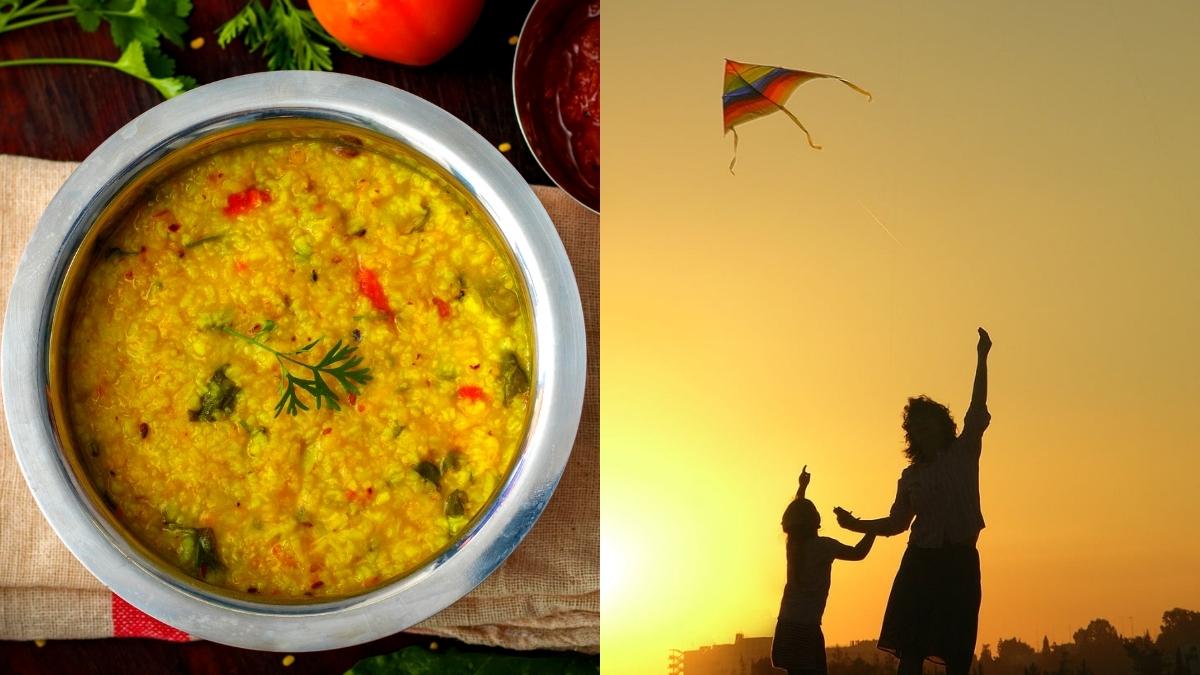
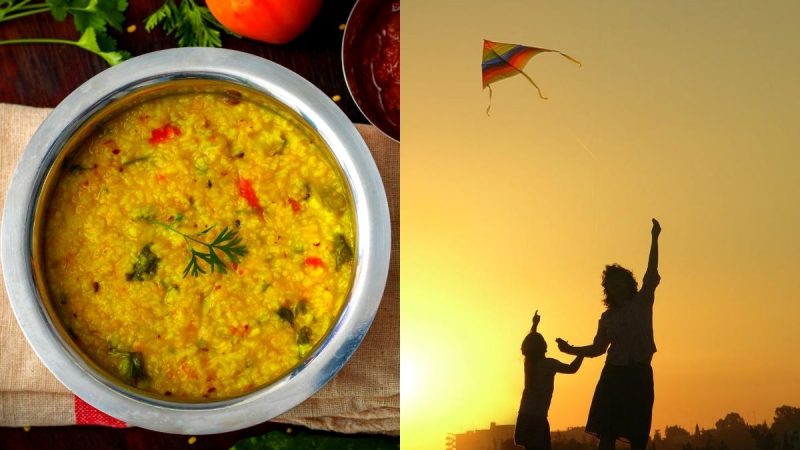
Makar Sankranti is almost here, and by now, we’re sure you all must have been brushing up your kite-flying skills and hogging on chikki and til ladoo! While the festival brings families together and spreads joy, one of its most popular traditions is eating khichdi on this day. But have you ever stopped to wonder why? Scroll on to find out!
Khichdi Significance On Makar Sankranti
Eating indulgent food is part of Indian culture, especially during festivals. So, how come on the very first festival of the year we eat something as simple (yet delicious) as a khichdi? As per religious belief, eating and donating khichdi on Makar Sankranti is considered very auspicious. The festival marks the transition from winter to longer days as the Sun enters Capricorn, and offering khichdi or uncooked dal and rice to the deities is bound to bring prosperity.
Makar Sankranti is also the harvest festival. By eating khichdi made with rice and dal, people show their gratitude for the new harvest and wish for prosperity for the year ahead. It also has Ayurvedic science behind it. The good ol’ khichdi helps balance the body’s doshas, especially after all the winter indulgence your body goes through, making it ideal for this time of year. So, besides its religious and spiritual significance, eating khichdi on Makar Sankranti is seasonally appropriate and very nourishing for your body.
Also Read: International Kite Festival 2026: Cities, Dates, & Where To See Vibrant Kites In Gujarat
How People Across India Enjoy It
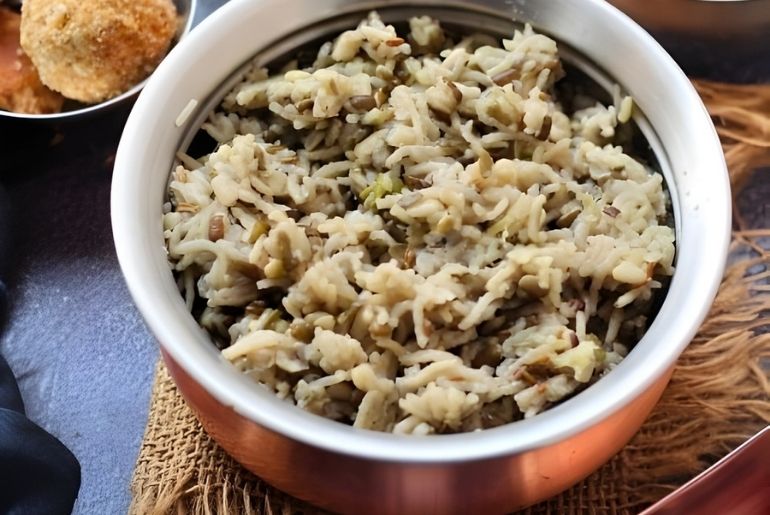
Now, it is interesting to know that different parts of India eat different types of khichdi to celebrate Makar Sankranti. The reason behind this is that people use regional, freshly harvested grains to make khichdi, and the variety reflects the agricultural practices of the country.
So, you will find people enjoying moong dal or urad dal khichdi across the Bihar and Uttar Pradesh belt. They enjoy it with lots of ghee, pickles and papads. In Rajasthan, the khichdi is usually made with bajra, and Gujarat has its own moong dal version with lots of seasonal vegetables. Coming to West Bengal, people traditionally eat ‘bhoger khichuri’, which is also made with moong dal. In many South Indian homes, the khichdi is made by mixing rice with moong or toor dal.
Also Read: From Pongal Virundhu To Lohri Buffets, 16 Harvest Special Menus Across India In 2026
How is Makar Sankranti celebrated at your home? Let us know in the comments!
Cover Image Courtesy: Canva Pro/im a photographer and an artist & pickpik
For more such snackable content, interesting discoveries and the latest updates on food, travel and experiences in your city, download the Curly Tales App. Download HERE. First Published: January 10, 2026 3:03 PM