



Kyushu In Japan Launches A Travel Campaign To Revive Tourism
According to reports by TTG Asia, damage to buildings, equipment and hot spring infrastructure at hotels and inns near the earthquake’s epicentre has been estimated at ¥4 billion (around ₹2,280 crore) by the Kumamoto Prefectural Government. The region’s tourism industry has also reported an additional ¥2 billion (around ₹1,140 crore) loss in expected revenue after around 146,000 guests cancelled summer and autumn trips. Around 60% of these cancellations were for areas that were largely unaffected by the earthquake, including the popular Aso region. Kumamoto Governor Takashi Kimura has encouraged travellers not to cancel trips based on rumours or fears about the wider prefecture.
The impact has also extended to other parts of Kyushu. Kagoshima recorded 111,749 cancellations, partly due to disrupted transport links and the popularity of combined Kumamoto-Kagoshima itineraries. Fukuoka reported around 28,000 cancellations, followed by Nagasaki with 14,259, Miyazaki with 11,357, Oita with 7,810 and Saga with 1,820.
With the Kyushu Shinkansen still suspended between Kumamoto and Shin-Minamata and operating on a limited schedule between Shin-Minamata and Kagoshima-Chuo, the tourism industry is preparing for further disruption. To encourage visitors to return, the Japanese government is expected to launch an aid package by the end of August, including a travel discount campaign for Kyushu.
Also Read: Why Death Note Actors Face Is Wrapped Around 10,000 Heads Of Lettuce Across Japan?
Why Visit Kyushu? From Volcanoes To Hot Springs
Japan’s push to bring tourists back to Kyushu comes as the region continues its recovery, but much of the island remains known for its diverse attractions. Mount Aso, one of the world’s largest volcanic calderas, is a major draw, while Beppu and Yufuin are famous for their hot springs and traditional onsen experiences.
Also Read: What Are Japans New Tax-Free Shopping Rules For Tourists? When Will It Be Implemented?
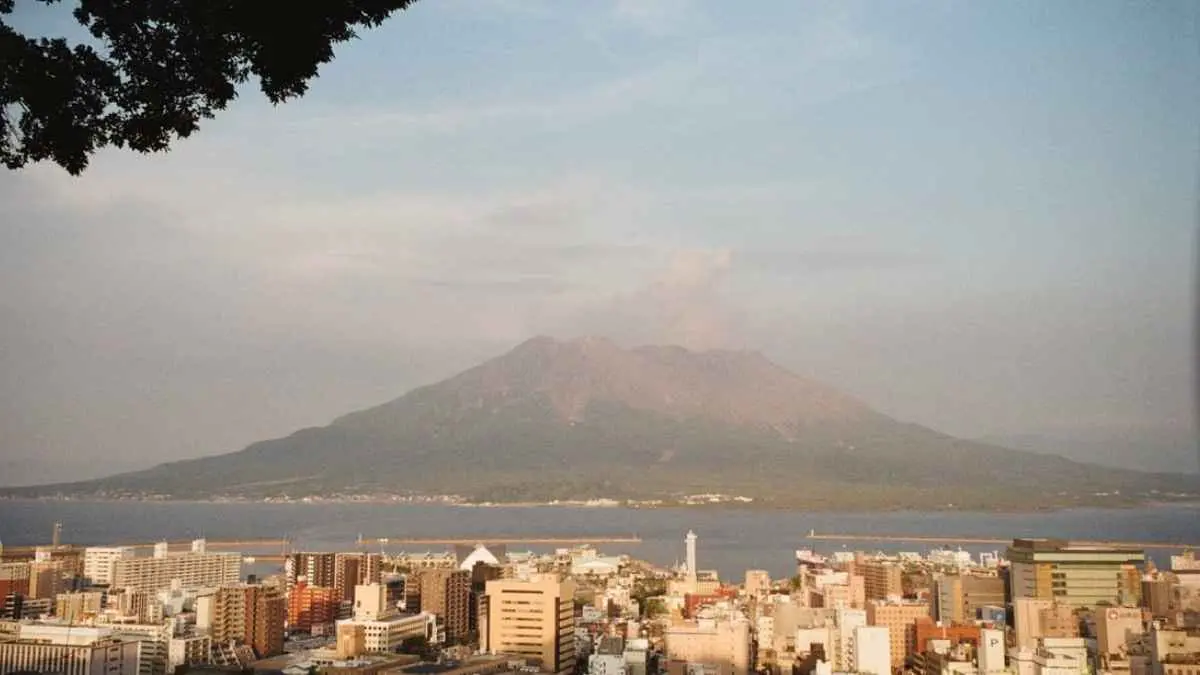
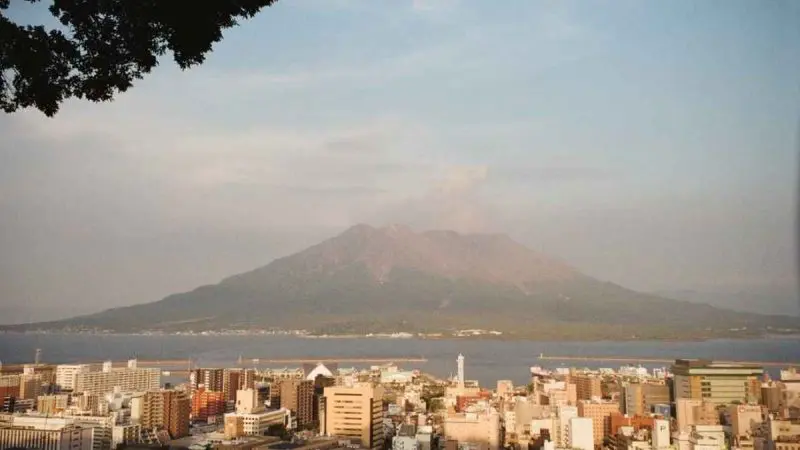
Tourists can also explore Kumamoto Castle, enjoy Fukuoka’s food scene, discover Nagasaki’s historic landmarks, see Sakurajima volcano in Kagoshima and explore the beaches and natural landscapes of Miyazaki. With volcanoes, onsens, coastlines, historic cities and local cuisine spread across the island, Kyushu offers plenty of reasons for travellers to consider visiting areas beyond those directly affected by the earthquake.
Have you ever been to Kyushu in Japan?
Cover Image Courtesy: Pexels
FAQs
What is Kyushu famous for?
Kyushu is famous for its natural hot springs, active volcanoes, rich local food culture, and historical importance as Japan's gateway to Asia.
What is the best month to visit Kyushu?
The best months to visit Kyushu are October and November.
How far is Tokyo from Kyushu?
The distance from Tokyo to Kyushu ranges from about 850 km to 1,220 km (530 to 760 miles) depending on your specific destination on the island.


