
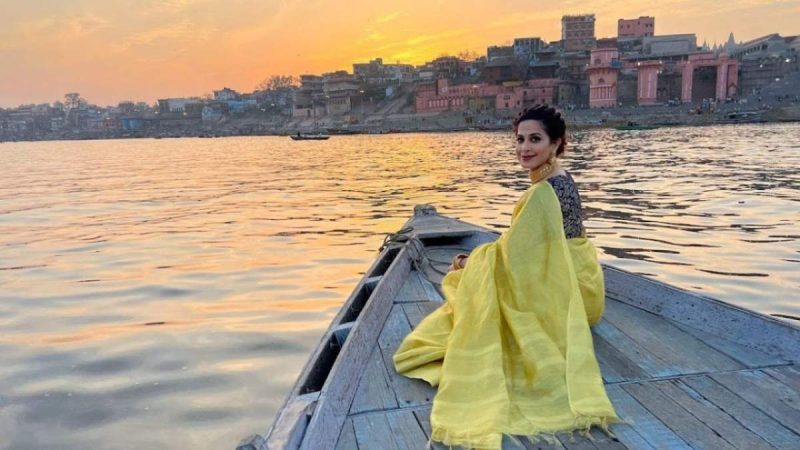
Some trips are planned around monuments, while others are planned around meals. South India solves that dilemma by offering places where the temple and the food are part of the same story. The prasadam is not a souvenir, the breakfast is not an afterthought, and the local recipes often thrive because generations of pilgrims kept returning for them. These seven temple towns are the type of places where you will remember the sound of temple bells and the taste of pepper-laced idlis with equal clarity.
7 South Indian Temple Towns Where The Food Is Part Of The Pilgrimage
1. Madurai
The Meenakshi Amman Temple dominates Madurai in every possible way. Its soaring gopurams, carved pillars, and sacred tanks pull in devotees from across the world, but step outside the temple complex and another ritual starts. Madurai eats constantly. Breakfast starts early with cloud-soft idlis and pongal drenched in ghee, lunch means banana-leaf meals with fiery kuzhambu and poriyal, and evenings are reserved for kari dosai and parotta. The city’s famous jigarthanda, a chilled dessert drink made with milk, almond gum, syrup, and ice cream, is practically a pilgrimage stop of its own.
2. Srirangam
The Sri Ranganathaswamy Temple is less a single temple than an entire sacred city enclosed within towering walls. Pilgrims move through multiple prakarams before reaching the sanctum, and the food follows the same philosophy of patience and order. Traditional Tamil vegetarian cooking is the star here: rice, sambar, rasam, kootu, poriyal, appalam, and payasam served on banana leaves with quiet precision. The temple’s pongal prasadam is especially sought after, prepared in a style that has remained remarkably consistent over generations.
3. Kanchipuram
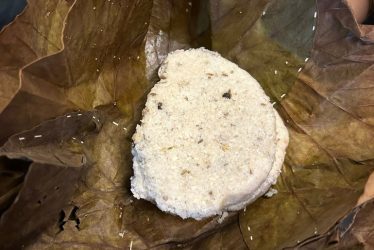
Kanchipuram is usually introduced through its temples and silk sarees, but its most underrated treasure is edible. The city’s celebrated Kanchipuram idli was originally a temple offering, and it bears little resemblance to the standard idli found across South India. The batter is seasoned generously with black pepper, cumin, ginger, curry leaves, and ghee, then traditionally steamed in fragrant leaves that infuse it with a distinctive aroma. Visit the Ekambareswarar Temple, Kamakshi Amman Temple, or Varadharaja Perumal Temple, and you begin to notice how closely food and worship have evolved together here. A plate of temple idli with coconut chutney and strong filter coffee can easily become the most memorable part of the day.
4. Tirupati
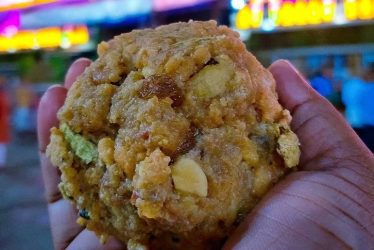
The Sri Venkateswara Temple is one of the busiest pilgrimage centres in the world, and its laddu prasadam has achieved near-mythical status. It is produced under a highly regulated traditional system and remains inseparable from the temple’s identity. But Tirupati offers much more than its famous sweet. The surrounding region introduces travellers to Andhra cuisine in all its unapologetic intensity. Gongura chutneys, pappu, pulusu, spicy curries, and rice dishes layered with chilli and tamarind create a dramatic contrast to the sweetness of the laddu. It is one of the few temple trails where dessert and spice seem to fight for your attention.
Also Read: 10 Reasons To Visit Tirunelveli, South India’s Hidden Gem, Blessed With Waterfalls And Temples
5. Udupi
The Sri Krishna Temple is too influential in ways that extend far beyond Karnataka. Udupi cuisine travelled across India through temple cooks and restaurants, shaping what many people now think of as classic South Indian vegetarian food. The temple serves anna prasada rooted in sattvic cooking traditions. Meanwhile, the town itself offers an astonishing range of dishes: masala dosa with crisp golden edges, neer dosa as delicate as lace, goli baje, kosambari, and sweets rich with coconut and jaggery.
6. Guruvayur
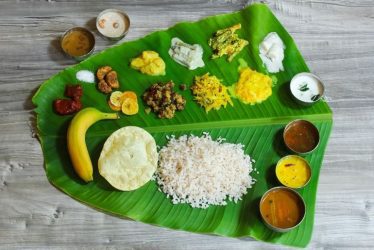
The Guruvayur Sri Krishna Temple draws enormous crowds, especially during festival seasons, but the food around it remains rooted in Kerala’s traditional temple culture. A proper sadya is not just a meal; it is choreography on a banana leaf. Rice arrives first, followed by parippu, sambar, avial, olan, thoran, pachadi, kichadi, pappadam, banana chips, pickles, and multiple payasams. Outside the temple, breakfast means puttu with kadala curry, appam with vegetable stew, and freshly fried pazham pori. Few places capture Kerala’s culinary identity as completely as Guruvayur.
7. Thanjavur
The Brihadeeswarar Temple is one of the greatest architectural achievements in India. Built by Raja Raja Chola I in the 11th century, it is still capable of leaving visitors speechless. The surrounding Kaveri delta is equally generous, and its agricultural abundance shapes everything that reaches the table. Expect deeply flavoured kuzhambu, kootu, banana flower dishes, freshly harvested rice, and sweets such as adhirasam and poli that are tied to temple and festival traditions.
Also Read: 5 Surfing Spots In South India That Are Perfect For Adventurers
The best part of these temple trails is that they refuse to separate the sacred from the everyday. A recipe can be an offering and a breakfast can carry a hundred years of memory. You arrive for the temple, but somewhere between the prasadam counter and the local mess, the journey turns into one of the finest food trips in India.
Cover Image Courtesy: Internal
FAQs
Which are the best temple towns in South India for food?
Madurai, Srirangam, Kanchipuram, Tirupati, Udupi, Guruvayur and Thanjavur.
What food is Udupi famous for?
Udupi is known for dishes such as masala dosa, neer dosa, goli baje and traditional vegetarian meals.
Which South Indian temple is famous for prasadam?
Tirupati is especially famous for its iconic laddu prasadam.
Which temple town is famous for sadya?
Guruvayur is an excellent place to experience traditional Kerala sadya and temple cuisine.


