
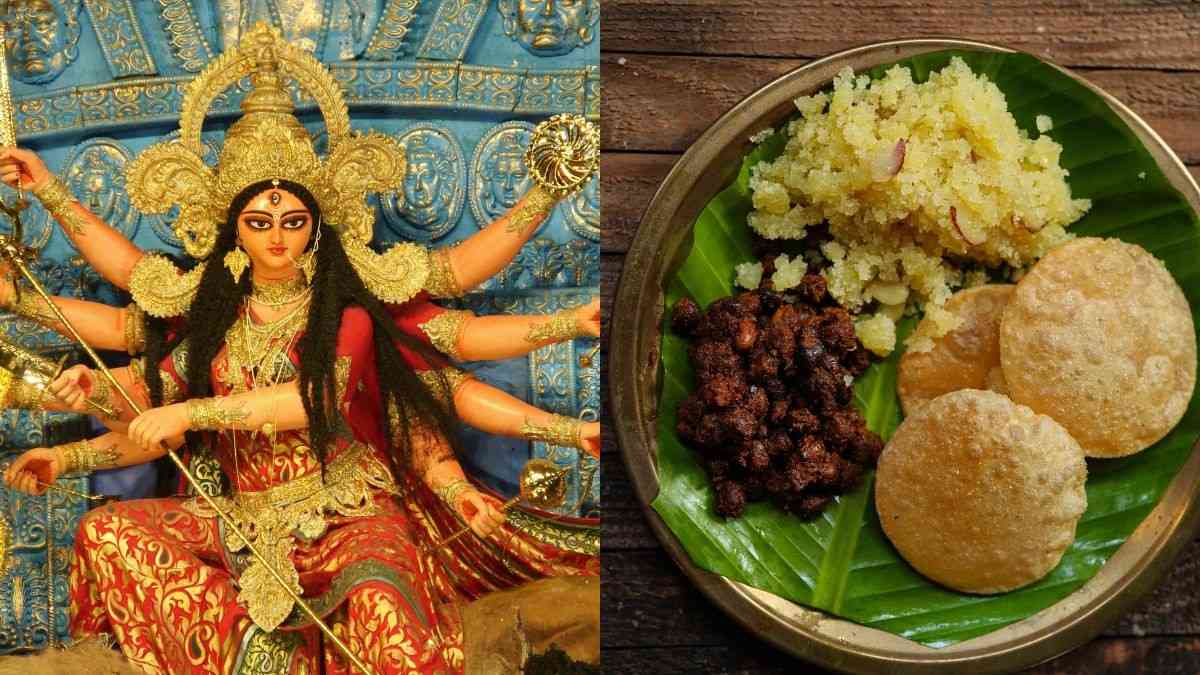


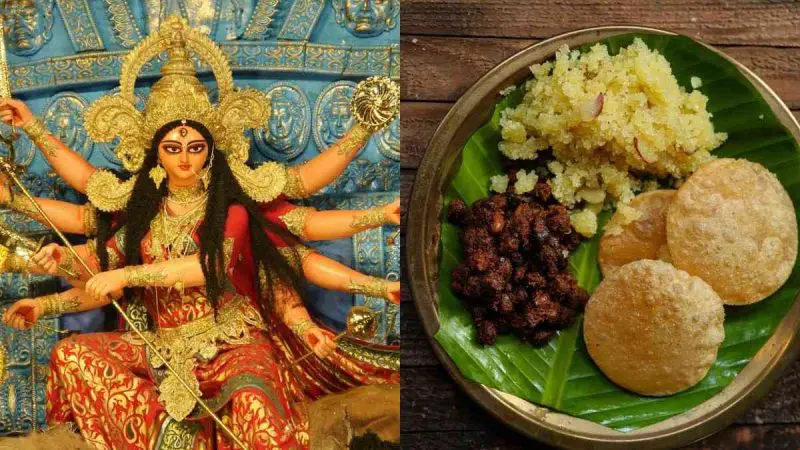
Chaitra Navratri 2026 has finally ended, and many people marked the day by serving poori, halwa, and kale chane as bhog for kanya pujan at home. Some people prepare this during Ashtami, while many others eat it on the last day of Navratri, which is Ram Navami. But yes, the significance remains the same. Did you know why this bhog of three dishes is prepared? There is a very special reason behind it.
Chaitra Navratri 2026: Bhog Of Poori, Halwa & Kale Chane
Indian festivals are not just about celebrating but also about enjoying traditional dishes eaten during that time. For Diwali, there is gulab jamun, for Holi, there is gujiya. But did you know one of the most special meals? The combination of poori, halwa, and kale chane is traditionally served as bhog during Navratri on either Ashtami or Ram Navami.
On the eighth day of Navratri, the eighth manifestation of Maa Durga, called Mahagauri, is worshipped. This day is known as Durga Ashtami, while the ninth day is called Ram Navami. Both these days are celebrated across India by offering prayers and serving poori, halwa, and kale chane to kanya or little girls along with gifts and money.
During the nine days of Navratri, many devotees across India observe a sattvic fast. This means they eat fruits, milk, nuts, and food made with minimal spices. On Ashtami or Navami, this fast is finally broken with a meal like this.
Also Read: 9 Days, 9 Goddesses, 9 Bhog: What To Offer As Prasad During Chaitra Navratri
Nutritional And Spiritual Significance Of The Meal
According to The Times of India, the combination of poori, halwa, and kale chane provides essential nutrients that help the body recover and balance after following a sattvic diet for several days. Made in desi ghee, poori, chane, and halwa are considered nourishing. Chana and sooji are rich in dietary fibre and can help maintain better blood sugar levels. They also help in balancing cholesterol levels.
Moreover, black or kale chane contains selenium, which has detoxifying properties. All three items are made using pure ghee, which is rich in healthy fats, antioxidants, and essential vitamins like A, D, E, and K. Desi ghee also helps to improve digestion and immunity.
In short, poori, halwa, and chane restore muscle strength after fasting and provide instant energy. Together, this prasad is considered a balanced meal with carbs, protein, and fibre, which helps to nourish the body. On Durga Ashtami or Navami, young girls are invited into homes and served this prasad as blessings. It is believed that preparing this bhog with devotion and feeding little girls is equal to feeding Goddess Durga herself.
Also Read: 10 Best Navratri Menus Across India Featuring Sabudana Vada, Beetroot Sago Risotto And More
So, were you aware of this Ashtami or Navami prasad’s significance? Did you also prepare poori, chane, and halwa at your home this Navratri?
Cover Image Courtesy: Canva Pro/ Pabitra Chakraborty and vm2002
For more such snackable content, interesting discoveries and the latest updates on food, travel and experiences in your city, download the Curly Tales App. Download HERE. First Published: March 27, 2026 3:42 PMFAQs
What is prepared during Ashtami in Navratri?
Poori, halwa, and kale chane are traditionally served as bhog on Ashtami.
Why are poori, chane, and halwa served during Ashtami?
This bhog symbolises devotion and helps break the Navratri fast with a balanced meal made with pure desi ghee.
What to eat during Navratri fasts?
People usually eat fruits, milk, nuts, and sattvic food with minimal spices.