

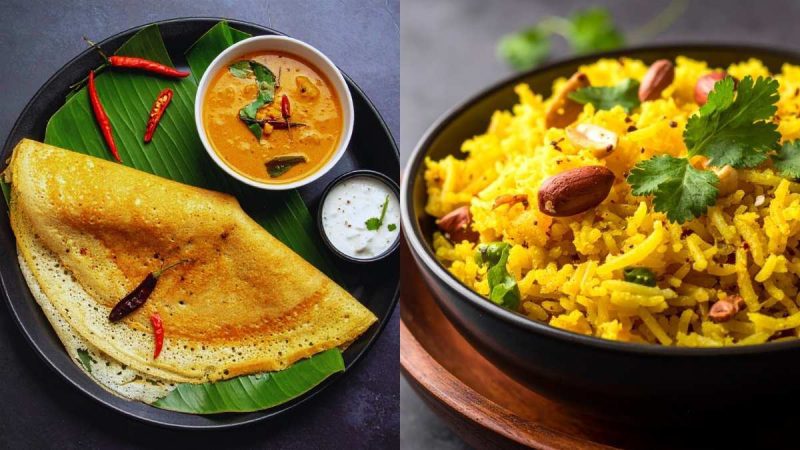
There was a time when Indian mornings carried the scent of fermenting batter, simmering lentils, and ghee warming on iron pans. Breakfast wasn’t rushed or outsourced to packaging; it was cooked with intention. These meals were designed to sustain long hours of physical labour, early school days, and extended work cycles, long before “energy boosters” needed labels. Indian breakfasts evolved region by region, shaped by climate, occupation, and local crops. Rice dominated the south, wheat and millets anchored the north and west, and lentils tied everything together. What unified them was not nostalgia but functions of warmth, digestion, and lasting fullness.
10 Indian Breakfasts That Are The Real Heroes!
1. Idli

Steamed, soft, and fermented, Idlis delivered nutrition without stressing the stomach. The overnight fermentation of rice and urad dal improved digestibility and introduced beneficial bacteria. Paired with sambar and coconut chutney, idlis formed a complete breakfast that kept hunger at bay well past noon. It was light enough for early mornings yet substantial enough to fuel schooldays, farm work, and long hours without the need for constant snacking.
Also Read: Vande Bharat Trains To Serve Regional Dishes Like Idli, Dosa, Thepla & More To Passengers
2. Dosa
Using the same batter as idli, dosa proved how technique can transform ingredients entirely. Crisp at the edges, soft at the centre, dosa required patience and experience, correct fermentation, pan temperature, and timing. Served plain or filled, it balanced carbohydrates, protein, and fats in proportions suited to long working days, not quick snacking.
Also Read: 8 New Restaurants In Delhi NCR Serving Mumbai-Style Tapas, Buttery Dosas, & More This January
3. Dhokla
In Gujarati households, dhokla offered a lighter alternative to heavier breakfasts. Made from fermented gram flour or rice-lentil batter, it was steamed, not fried, and gently seasoned. Its popularity wasn’t accidental, it suited warm climates and early mornings where digestion mattered as much as energy.
4. Appe (Paddu)
Appe tells a story of thrift rather than trend. Leftover dosa batter was reused, poured into moulds, and cooked into small, crisp-edged dumplings. This wasn’t innovation for novelty’s sake; it was practical cooking that respected both ingredients and effort. By reusing fermented batter, appe also retained nutritional value while reducing waste, making it a smart, everyday solution in traditional kitchens.
5. Poha
Poha thrived because it understood mornings. Flattened rice cooked quickly but absorbed the flavour generously of mustard seeds, onions, peanuts, turmeric, and green chillies. Light on the stomach yet filling enough for physical work, it was often finished with lemon or curd, making it nutritionally balanced without excess.
Also Read: 8 Vegan Breakfast Dishes To Try This Veganuary
6. Upma
Upma’s strength lay in its restraint. Roasted semolina, vegetables, and tempered spices came together slowly, creating a warm and sustaining meal. It didn’t spike energy; it released it steadily, an approach far removed from modern sugary breakfasts. Its slow-digesting carbohydrates and balanced fats made it especially suited for long mornings that demanded focus and physical stamina rather than quick bursts of energy.
7. Khichdi
Today, khichdi is associated with illness or lunch, but it once held space at the breakfast table, especially for children and elders. Rice, lentils, ghee, and mild spices made it easy to digest and truly nourishing, particularly in colder regions or during early starts. As a morning meal, it offered warmth and steady nourishment without taxing the body, making it ideal for gentle beginnings to the day.
8. Paratha
Parathas were never meant to be light. Stuffed with vegetables, lentils, or paneer and cooked in ghee, they were designed to sustain people through long and demanding mornings. Served with curd or homemade butter, they reflected a breakfast philosophy centred on endurance, not calorie counting.
Also Read: Laughter Chefs Cooked 1-Ft Long Parathas With Ayesha Khan; 3 Places For Large Parathas
9. Missi Roti
Missi roti combines wheat and gram flour, bringing protein naturally into the morning meal. Often eaten with curd or butter, it delivers satiety and strength without any nutritional grandstanding. The inclusion of besan added amino acids and fibre, making the meal more balanced and slow to digest. It was a practical way to increase nourishment using everyday ingredients rather than separate protein sources.
Also Read: From Kulcha To Parotta: 10 Indian Breads That Deserve More Hype Than Naan
10. Bhakri
Dense, rustic, and deeply earthy, bhakri made from jowar, bajra, or other millets was a staple across Maharashtra, Gujarat, and Rajasthan. Paired with chutney, curd, or vegetables, it matched the physical demands of agrarian life better than any packaged alternative. Its high fibre and mineral content supported sustained energy and digestive health, crucial for people engaged in long hours of outdoor labour. Because millets grow well in dry conditions, bhakri also reflected an early understanding of climate-resilient food choices.
These dishes weren’t accidental traditions. They were functional systems of nourishment, built around local grains, fermentation, slow cooking, and seasonal logic. They fed bodies before screens, before labels and before convenience dictated choice.
Cereals didn’t replace these breakfasts because they were better. They replaced them because time changed. But as conversations around gut health, millets, and sustainable eating return, these meals no longer feel old-fashioned. They feel informed. Indian breakfasts were never behind the times. They were simply ahead of the science.
Cover Image Courtesy: truecreatives/canvapro
For more such snackable content, interesting discoveries and the latest updates on food, travel and experiences in your city, download the Curly Tales App. Download HERE.