

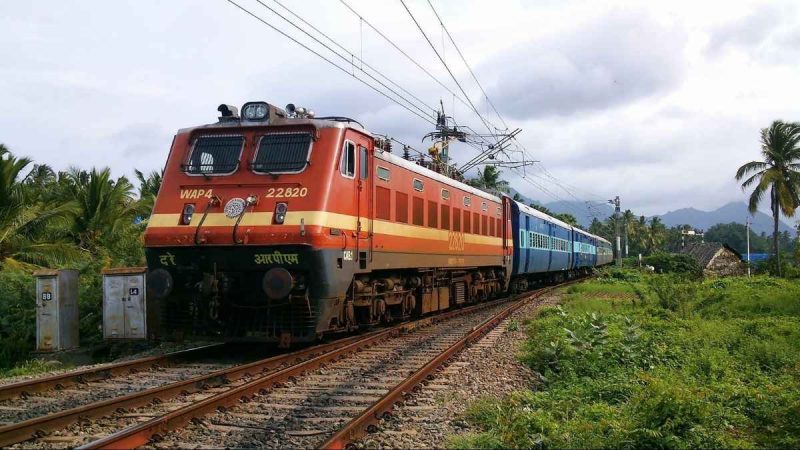
Like us, we know you must have always been curious about where Indian trains go after completing their long years of service. We see these trains running on tracks for years, but nothing lasts forever. They also go through a proper system. Trains are retired in a planned process and often get a second life before being fully recycled. Read on to know more!
Life After Retirement For Indian Trains
In India, trains don’t stop working because they’re old. For every train, a specific retirement time has already been decided. According to NDTV, older ICF passenger coaches usually run for about 25 to 30 years, while modern LHB coaches are stronger and can last up to around 35 years. However, if a train becomes unsafe, needs expensive repairs, or is no longer suitable due to old technology they may be taken out.
Indian Railways regularly replaces old coaches with new and upgraded ones. If you think here retirement means the coaches get scrapped right away, you’re wrong. Many old coaches are reused for other purposes. One common example is their conversion into goods carriers called NMG (New Modified Goods) coaches. But all seats, fans, and lights are removed.
Also, the windows are sealed. After this, these coaches are used to carry vehicles such as cars, tractors, and small trucks. With these changes, they can still work for another five to ten years before being fully retired.
Also Read: OMG! Washroom Or Luxury Hotel Room? Netizens Are Blown Away By Indian Train Toilet
How Is Indian Railways Upgrading?
The Indian Railways is making progress on a large scale. As part of modernisation, old diesel engines are being replaced with electric engines. Safer LHB coaches are now widely used. NDTV reported that between 2020 and 2024, more than 1,000 engines were scrapped. During the same period, around 37,000 coaches and wagons were also removed from active service.
When trains reach the end, they are taken apart in a planned way. First, each coach is separated piece by piece, followed by the materials. Metals like iron and steel are kept together, while other metals like copper, aluminium, and brass are sorted separately.
Parts like lights, air conditioners, and batteries are also removed, and many of these parts are reused or recycled. This process also benefits Indian Railways financially, as they earn a lot of money by selling scrap.
What are your thoughts on this? Tell us in the comments below!
Also Read: Dirty Toilets On AC Train Costs Indian Railways ₹60,000 Fine After Passenger Complaint
Cover Image Courtesy: Wikimedia Commons/ UY Scuti
FAQs
Do Indian trains retire?
Yes, every train has a fixed lifespan, and once it completes its service time, it is retired.