
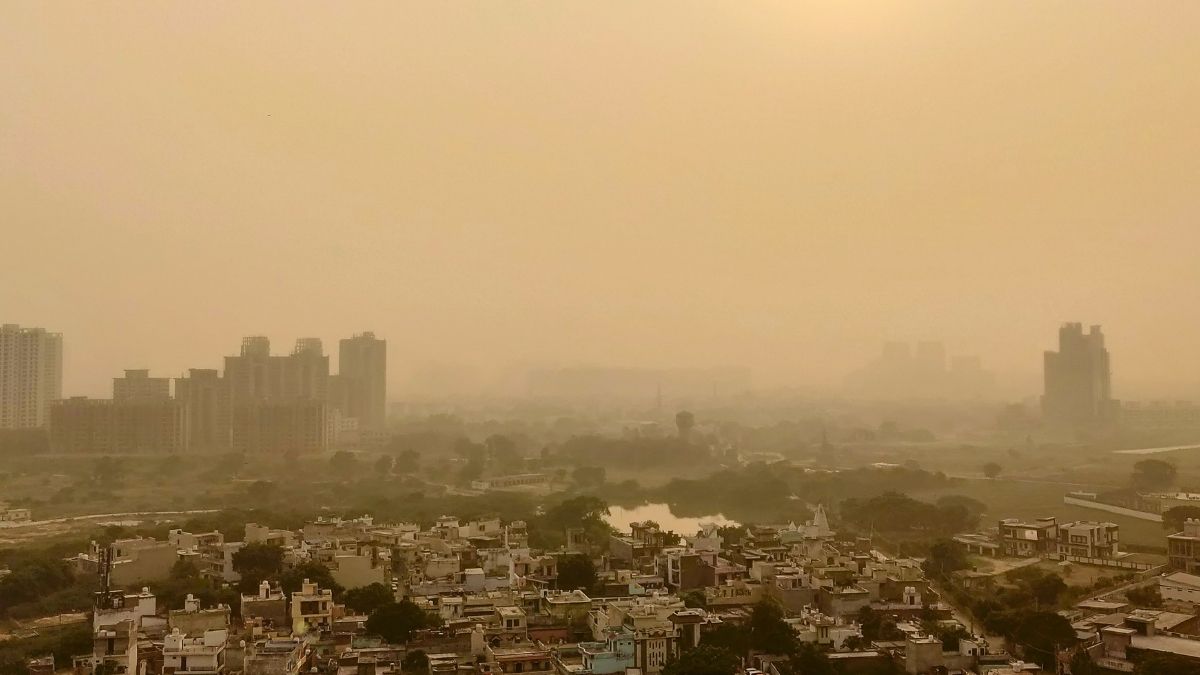



If you live in Delhi-NCR or travel to the national capital regularly, your daily routine could look a little different this winter. With air pollution becoming a major concern, the government has introduced a fresh set of restrictions from November 1 to tackle worsening air quality. From banning older vehicles entering Delhi to asking offices to operate with only 50% physical attendance, the new rules will affect motorists, office-goers and businesses.
Delhi-NCR Pollution Rules From November 1
According to NDTV, the winter pollution curbs will remain in force until January 31, 2027. Here’s what you need to know.
1. Older Vehicles From Outside Delhi Banned
Vehicles registered outside Delhi that do not meet BS-VI emission standards will not be allowed to enter the capital. This restriction will affect older petrol and diesel vehicles coming from neighbouring cities such as Noida, Gurugram, Faridabad and Ghaziabad.
Electric vehicles, CNG vehicles and emergency vehicles, including ambulances and fire tenders, are exempt.
Also Read: Delhi To Siliguri In 6 Hours Instead Of 20? PM Modi Approves Northern Bullet Train Corridor
2. 50% Work From Home For Offices
Government and private offices have been directed to ensure that only 50% of their employees attend physically, while the remaining workforce works from home. Essential services are exempt from this arrangement. The move aims to reduce the number of vehicles on roads and bring down traffic-related emissions.
3. No PUC, No Fuel
Under the ‘No PUC, No Fuel’ rule, vehicles without a valid Pollution Under Control (PUC) certificate will not be given petrol, diesel or CNG at fuel stations in Delhi.
Around 500 petrol pumps have been equipped with Automatic Number Plate Recognition (ANPR) cameras to identify vehicles without valid certificates. So, make sure your PUC is updated before heading out.
Also Read: Delhi Metro Pink Line Commuters, You Can Now Check Crowd Levels In Coach Before Boarding
4. Construction And Demolition Work Restricted
Outdoor civil construction and demolition activities will remain prohibited until January 31, 2027, to control dust pollution. Certain essential infrastructure projects may be allowed to continue under prescribed conditions, while indoor finishing, plumbing and electrical work can proceed with dust-control measures.
5. Parking Charges Doubled
Parking fees at several public parking facilities in Delhi have been doubled to discourage the use of private vehicles. However, parking facilities operated by the Delhi Metro Rail Corporation (DMRC) are exempt.
6. Government Office Timings Changed
To ease peak-hour traffic, government office timings have also been staggered. MCD offices will operate from 8:30 AM to 5 PM, while Delhi government offices will function from 10 AM to 6:30 PM.
With stricter monitoring through ANPR cameras, enforcement teams and an AI-enabled Integrated Command and Control Centre, authorities are also stepping up action against violations. Those found flouting the rules may face e-challans.
Also Read: Delhi To Jaipur In 1.5 Hours Lesser Than Usual? New Railway Route Planned Via Neemrana
We hope this information was helpful to you all!
Cover Image Courtesy: Canva Pro/abhisheklegit (representative image)
FAQs
Which vehicles are banned from entering Delhi?
Older vehicles registered outside Delhi that do not meet BS-VI emission standards will be barred from entering the city, subject to specified exemptions.
What is the No PUC, No Fuel rule?
Under this rule, vehicles without a valid Pollution Under Control (PUC) certificate will not be given fuel at designated petrol pumps in Delhi.
Will Delhi government offices have new working hours?
Yes. MCD offices will operate from 8:30 AM to 5 PM, while Delhi government offices will function from 10 AM to 6:30 PM.


