
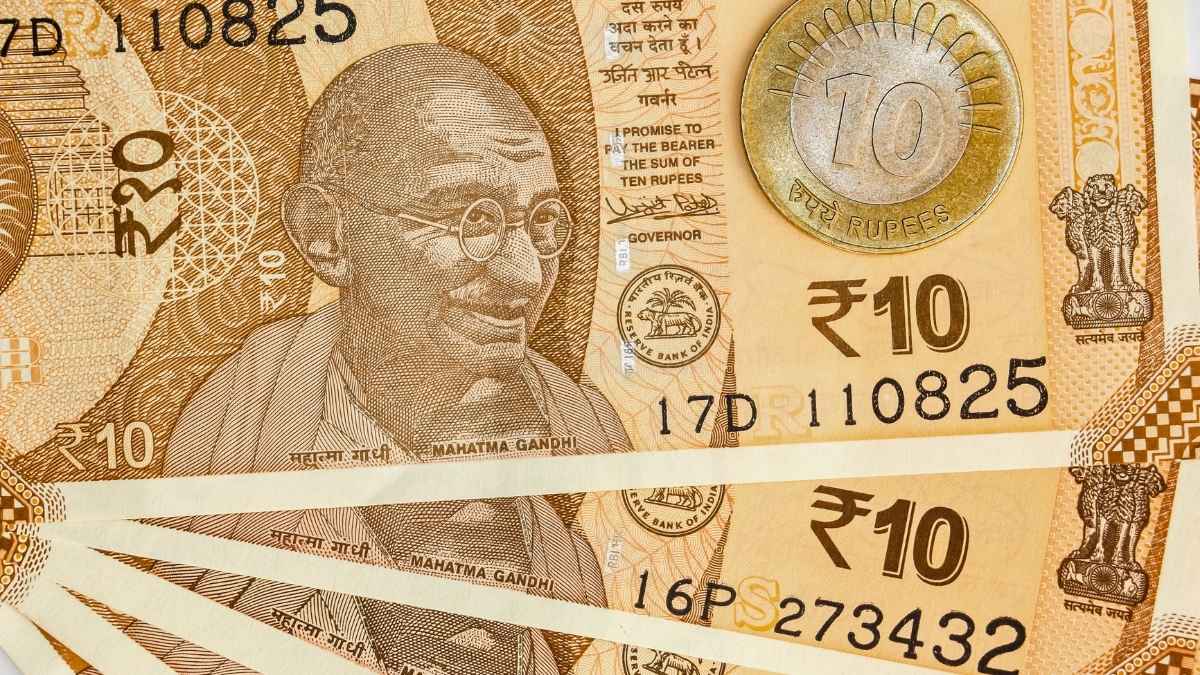


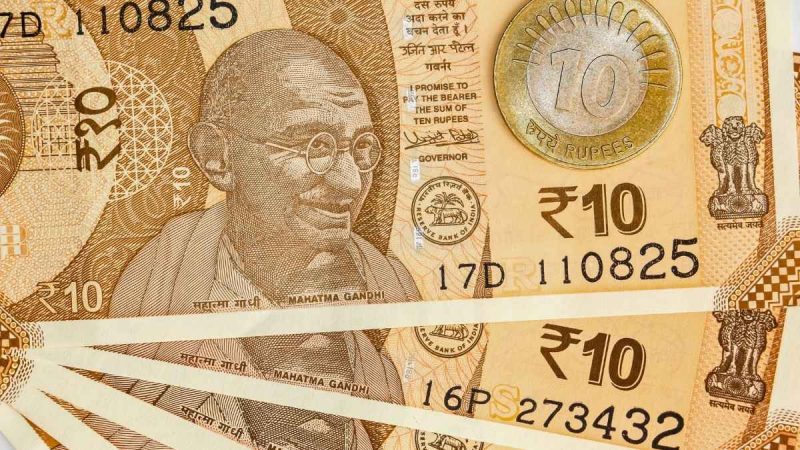
Imagine pulling out a ₹10 or ₹20 note from your wallet that feels more like plastic than paper! Well, this could soon become a reality in India as the government has approved field trials for polymer banknotes in these two denominations. With billions of notes set to be tested, India could be taking a step towards making its everyday currency more durable and harder to counterfeit. Scroll on to know more.
₹10 & ₹20 Polymer Notes Get Green Light For Field Trials In India
According to CNBC TV18, the government approved the Reserve Bank of India’s proposal to issue one billion ₹10 notes and another one billion ₹20 notes as part of field trials. Earlier, under Section 25 of the RBI Act, 1934, the RBI had forwarded the proposal to the government.
The move could mark India’s first major step towards testing polymer currency as an alternative to the paper notes currently in circulation. If the trials are successful, the RBI may eventually introduce polymer notes of ₹10 and ₹20 for regular use.
The update was shared by the Finance Minister in a written reply to the Rajya Sabha on the status of polymer currency in India. However, the process is still at an early stage, with the RBI currently working on procurement. There is no confirmed timeline yet for when the polymer notes could enter circulation, and the government has not determined the cost of the exercise.
Also Read: Nepal Revises Indian Currency Rules: Earlier Only ₹100 Notes Allowed, Now ₹200 & ₹500 Too!
Here’s Why Polymer Currency Is Necessary
The government has given the proposal the go-ahead, but that does not mean the familiar paper ₹10 and ₹20 notes are going away anytime soon. According to the RBI, the polymer versions are expected to circulate alongside existing paper notes rather than replace them.
The idea is to test how these plastic-based notes hold up in everyday use before the RBI takes any larger call on introducing polymer currency across other denominations.
So, what makes polymer notes different? Instead of the cotton-based paper used for conventional currency, they are made from a thin and flexible plastic film. They are generally considered more durable, resistant to water and dirt, and harder to counterfeit. Countries including Australia, the UK and Singapore already use polymer notes for some of their denominations.
According to CNBC TV18, India has experimented with polymer currency on a smaller scale in the past, including trials in select cities. However, the latest plan marks a much larger field trial.
Also Read: “Did She Accept?” Netizens Ask As Woman Tries Buying Groceries With Indian Currency In Ireland
Let us know your thoughts on this in the comments.
Cover Image Courtesy: Canva Pro/Denis Vostrikov (representative image)
FAQs
Which Indian currency notes will be tested in polymer form?
The RBI will conduct field trials for ₹10 and ₹20 polymer banknotes.
Which countries use polymer banknotes?
Countries including Australia, the UK and Singapore use polymer banknotes for some denominations.
Why is India testing polymer currency?
Polymer notes are generally more durable and resistant to moisture, dirt and wear. They are also considered harder to counterfeit than traditional paper notes.


