
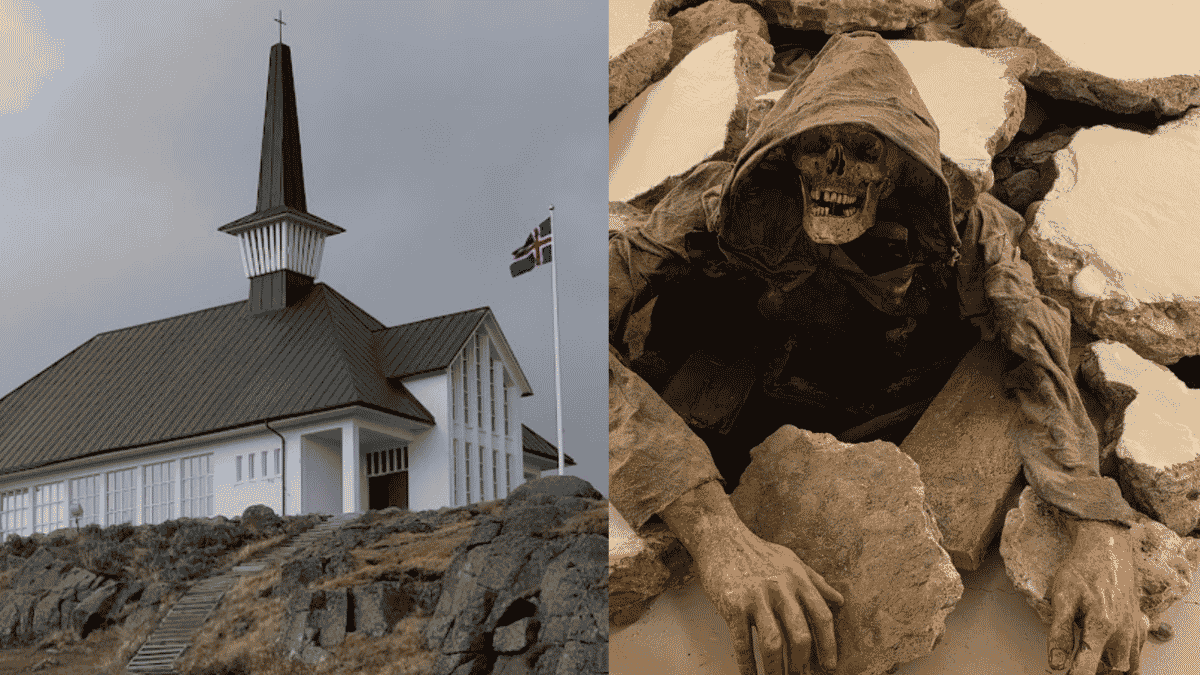




Around the world, there are museums filled with human skulls, alleged witchcraft artefacts, preserved parasites and medical specimens that could ruin your sleep schedule. Some tell stories of genuine historical horrors; others explore the strange beliefs that have haunted human civilisation for centuries. So, if you are planning a spooky-season escape, here are 10 museums to add to your travel bucket list. Maybe keep the nightlight on afterwards.
10 Spooky Museums Around The World To Visit
1. Catacombs Of Paris, France
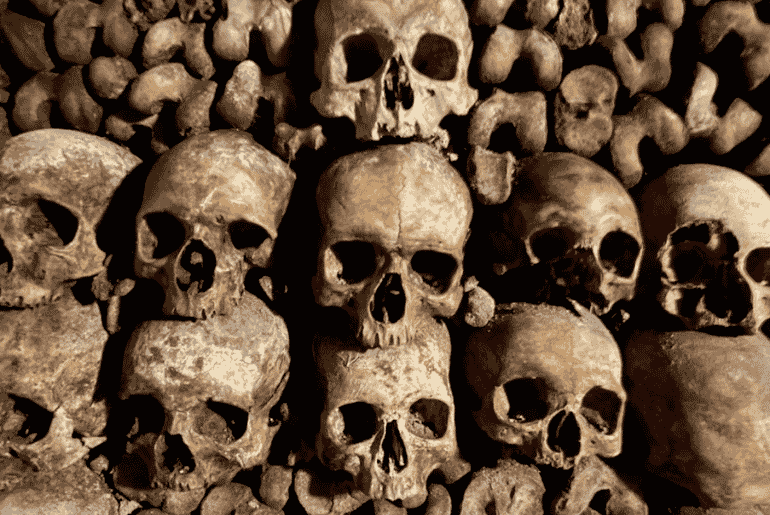
Paris has perfected romance above ground. Below it, millions of the city’s former residents have a rather different story to tell.
The Catacombs of Paris contain the remains of several million people, transferred from overflowing cemeteries beginning in 1785. What started as a response to public health problems eventually became one of the world’s most extraordinary ossuaries. Skulls and femurs line the underground passages, arranged into patterns that are strangely orderly for a place that feels like the setting of a horror film.
The tunnels stretch through former limestone quarries, and the visitor route descends roughly 20 metres underground. It is quiet, cool and claustrophobic, with the walls offering a sobering reminder that Paris’s history is not all palaces and poetry.
Also Read: Halloween 2026: 5 Cities Around The World That Go All Out With Spooky Parties, Costumes & More
2. Mütter Museum, Philadelphia, USA
There are anatomy lessons, and then there is the Mütter Museum, where the human body becomes the main character in a decidedly unsettling history lesson.
Founded around physician Thomas Dent Mütter’s collection, this medical museum preserves anatomical specimens, historical instruments, skeletal remains and objects documenting the evolution of medicine. Its displays explore diseases, unusual medical conditions and the ways doctors investigated the human body before modern diagnostic technology existed.
The specimens are real, which is precisely what makes the experience so striking. A medical textbook can explain a condition in a paragraph; seeing a preserved specimen makes the science feel much more immediate. The collection also raises questions about medical ethics, the treatment of patients and the history of anatomical study.
3. Surgeons’ Hall Museums, Edinburgh, Scotland
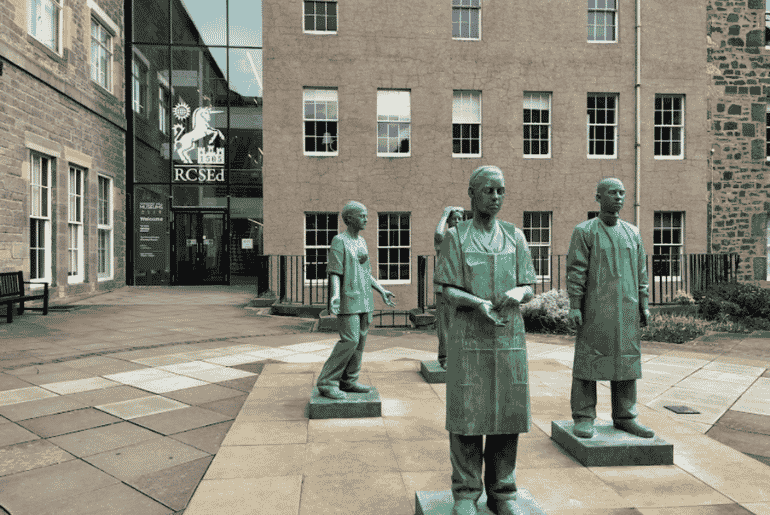
Before modern surgery became associated with sterile operating theatres and sophisticated equipment, medical procedures could be frightening experiences in their own right. Edinburgh’s Surgeons’ Hall Museums preserve that history in considerable detail.
Managed by the Royal College of Surgeons of Edinburgh, the museums explore more than 500 years of surgical history. The Wohl Pathology Museum houses a substantial collection of preserved specimens, while other displays examine the development of surgery, dentistry and medical education.
One particularly macabre object is a pocketbook traditionally said to have been made from the skin of William Burke, one half of the notorious Burke and Hare duo. The pair became infamous in 19th-century Edinburgh for murdering people and selling their bodies for anatomical research. The story remains a grim reminder of the ethical failures that accompanied the demand for bodies in medical education.
4. Museum Of Witchcraft And Magic, Cornwall, England
If your spooky interests extend beyond pointy hats and green-faced witches, the Museum of Witchcraft and Magic in Boscastle offers a deeper look into the traditions behind the folklore.
Founded by Cecil Williamson in 1960, the museum explores witchcraft, folk magic and occult practices through historical objects, ritual artefacts and displays about magical beliefs. The collection examines how people used charms, protective objects and rituals to understand the world around them.
Its subject matter also opens the door to a much darker history: the persecution of people accused of witchcraft. Across different periods and societies, suspicions about magic have contributed to fear, prejudice and violence. The museum’s historical approach makes those stories more compelling than any fictional coven.
5. Salem Witch Museum, Massachusetts, USA
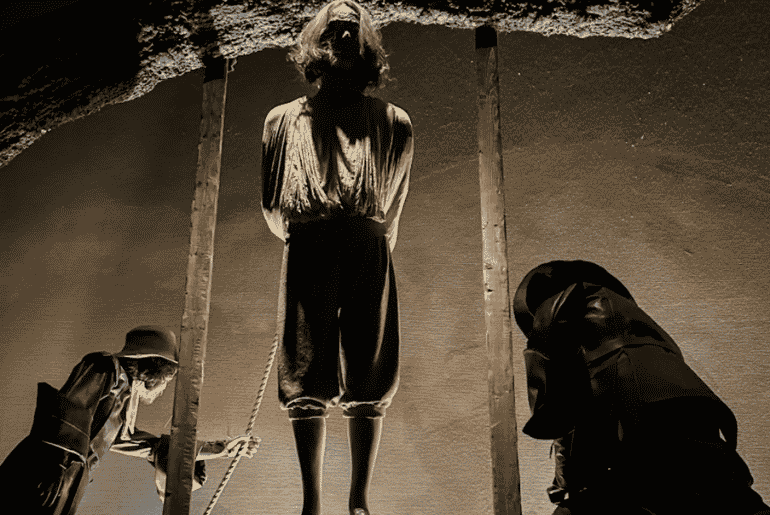
Salem has become a Halloween pilgrimage site, but its history deserves more than a witch hat and a themed cocktail. In 1692, accusations of witchcraft swept through the Massachusetts community, leading to trials, imprisonment and the execution of 20 people.
The Salem Witch Museum reconstructs this disturbing episode through life-size stage sets, figures, lighting and narration. Its presentations examine how the accusations unfolded and how the image of the witch has changed over time.
Fear, rumours, social tensions and accusations helped turn neighbours against one another. The victims were real people, caught in a crisis that destroyed lives. Salem is particularly lively around October 31, when Halloween events take over the town.
Also Read: Halloween 2026: 20 Spooky Menus In India For Eerie Dishes & Drinks; Bone Appetit!
6. Museum of Icelandic Sorcery And Witchcraft, Iceland: The Legend Of The Necropants
Iceland’s remote Westfjords are dramatic enough to inspire a supernatural thriller without any additional help. In Hólmavík, the Museum of Icelandic Sorcery and Witchcraft explores the country’s traditions of magic and witchcraft, particularly beliefs associated with the 17th century.
Its most notorious subject is nábrók, translated as necropants. According to Icelandic folklore, these were supposedly made from human skin and used in a ritual intended to attract wealth. The museum also explores the historical persecution of people accused of sorcery, offering insight into the beliefs and anxieties of Icelandic communities.
7. Meguro Parasitological Museum, Tokyo, Japan
Ghosts are not the only things capable of giving you nightmares. At Tokyo’s Meguro Parasitological Museum, the stars of the show are organisms that survive by living on or inside other living things.
This specialist museum displays preserved parasites and explains their life cycles, hosts and effects on human and animal health. One of its best-known exhibits is a long tapeworm specimen measuring approximately 8.8 metres, displayed alongside information about the parasite’s biology.
There is something very unsettling about seeing these organisms preserved in jars, especially when you realise that parasitic infections are a real medical concern rather than a horror-film invention. Yet the museum’s purpose is scientific education, making it as informative as it is stomach-churning.
8. Old Operating Theatre Museum, London, England
Forget haunted houses for a moment. Imagine being operated on in the 19th century, before modern anaesthesia and antiseptic techniques transformed medical care.
The Old Operating Theatre Museum and Herb Garret occupies the roof space of St Thomas’ Church in London. Its operating theatre was adapted for women’s surgery in 1822 and remained in use until 1862. Rediscovered in 1956, the historic space later opened as a museum.
Visitors can explore the wooden theatre, examine historical surgical instruments and learn about the medicinal plants once stored in the herb garret. The exhibits reveal how dramatically surgery has changed, while offering a glimpse into the risks faced by patients and the challenges confronting early medical professionals.
9. The London Dungeon, England
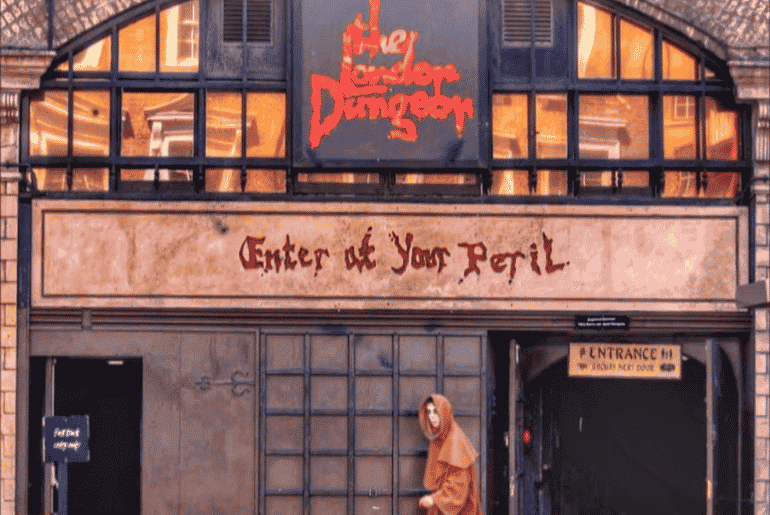
Not every destination on this list is a conventional museum! The London Dungeon is an immersive historical attraction that turns the city’s notorious stories into an experience featuring actors, elaborate sets and special effects.
Its subjects include Jack the Ripper, historical punishments and the fictional barber Sweeney Todd. Visitors move through staged environments designed to recreate the atmosphere of London’s darker historical episodes.
The experience prioritises entertainment, so expect jump scares and dramatic performances rather than quiet galleries. Still, it offers an engaging introduction to stories that have become part of the city’s macabre reputation.
10. Torture Museum, Amsterdam, Netherlands
Amsterdam’s Torture Museum explores historical punishment and interrogation through displays of instruments associated with the infliction of pain. It is an uncomfortable subject, but one that reveals how authorities have used violence and fear to control people.
Exhibits include devices such as thumbscrews and other instruments associated with punishment. Visitors should approach these displays critically because popular depictions of medieval torture are not always historically accurate, and some infamous devices were invented or popularised much later than commonly believed.
Rather than treating the collection as a catalogue of gruesome curiosities, consider what it says about justice, power and the treatment of prisoners. That context makes these spooky museums far more meaningful than the shock factor alone.
Cover Image Courtesy: aliceroth/Google Business and thierry trichard/Google Business
FAQs
What are the creepiest museums in the world?
Some of the world's most unusual museums include the Catacombs of Paris in France, the Mütter Museum in Philadelphia, the Meguro Parasitological Museum in Tokyo and the Museum of Icelandic Sorcery and Witchcraft.
Which museums are worth visiting for a scary experience?
The Catacombs of Paris, Salem Witch Museum, Museum of Witchcraft and Magic in Cornwall and London Dungeon are interesting options for travellers seeking spooky attractions and dark historical stories.
Where can you see human remains in a museum?
The Catacombs of Paris contain the remains of millions of people. The Mütter Museum in Philadelphia and Surgeons’ Hall Museums in Edinburgh also feature collections of anatomical and pathological specimens.


