
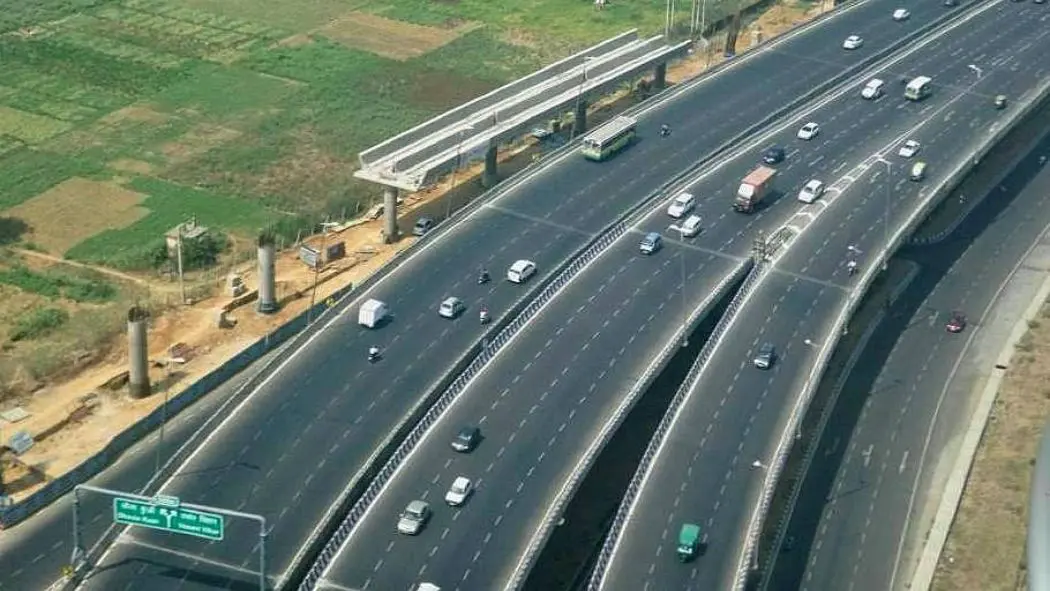
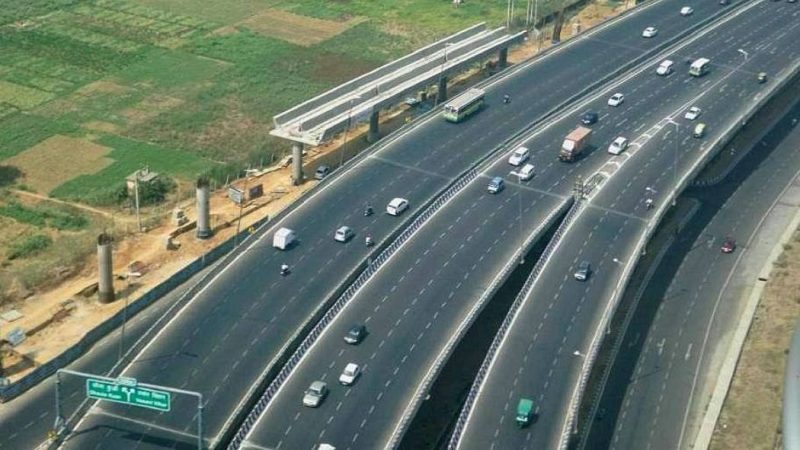
Delhi commuters will get a new road connectivity option later this month, with the long-delayed Barapullah Phase 3 flyover scheduled to open on September 29, 2026. Delhi PWD Minister Pravesh Sahib Singh announced the date in a post on X, stating that Union Home Minister Amit Shah will inaugurate the corridor. The project, in the works for nearly a decade, is expected to improve connectivity between East and South Delhi. Read on to know more about the project.
Delhi’s Barapullah Phase 3 Flyover To Open On September 29
Once opened, the corridor will provide signal-free connectivity between Mayur Vihar Phase 1 and Sarai Kale Khan, with further access towards AIIMS and South Delhi. It will connect with the existing Barapullah corridor, taking the combined network to around 9 km. The new stretch is expected to make travel between East and South Delhi more convenient by providing a faster, signal-free route through the Barapullah network. The corridor is designed to accommodate motorists as well as cyclists and pedestrians.
The elevated section and both ramps have been completed. One ramp connects to the Mayur Vihar side, while the other links with the existing Barapullah corridor near Sarai Kale Khan.
The Barapullah Phase 3 project was sanctioned in 2014, with construction beginning in 2015. It was originally scheduled to be completed by 2017 but faced several delays over the years. The project’s revised cost is around ₹1,635 crore, according to ANI. The corridor was initially estimated to cost less, but delays and changes to the project pushed up the overall expenditure.
Also Read: Delhi Airport Launches Dedicated Gates For Hand Baggage-Only Travellers; Here’s How It Works
How Will It Affect Commuters?
For commuters, the key benefit will be the new signal-free connection between Mayur Vihar Phase 1 and Sarai Kale Khan, along with onwards connectivity towards AIIMS and South Delhi through the existing Barapullah corridor.
The project also includes an extra-dosed bridge over the Yamuna, which has now been completed. The bridge crosses the Yamuna floodplain and features pillar spans of around 125 metres. According to ANI, the design aims to minimise interference with the active river zone while allowing the river to maintain its natural flow.
Also Read: Flying Air India? Delhi Metro’s Check-In Service Lets You Drop Bags Before Reaching The Airport
The corridor is not limited to vehicular traffic. It also includes a dedicated cycle track and pedestrian-friendly infrastructure, allowing different types of road users to use the corridor. The project has been described as India’s first flyover corridor designed with a dedicated cycle track. It also incorporates modern urban design features as part of the overall infrastructure.
Good news for Delhi commuters.
Cover Image Courtesy: Wikimedia Commons
FAQs
What are the upcoming government projects in Delhi?
You can track upcoming capital initiatives via the New Project Tracker, which highlights major transport, road, and civic developments approved for the capital.
Why is it called Barapullah flyover?
The Barapullah Flyover in Delhi is named after a 400-year-old Mughal-era stone bridge located directly beneath it.
How long is the Barapullah flyover?
The entire operational and extended Barapullah corridor in Delhi spans a total signal-free stretch of about 9 kilometers, with the newly completed Phase-3 section adding 3.5 kilometers.


