
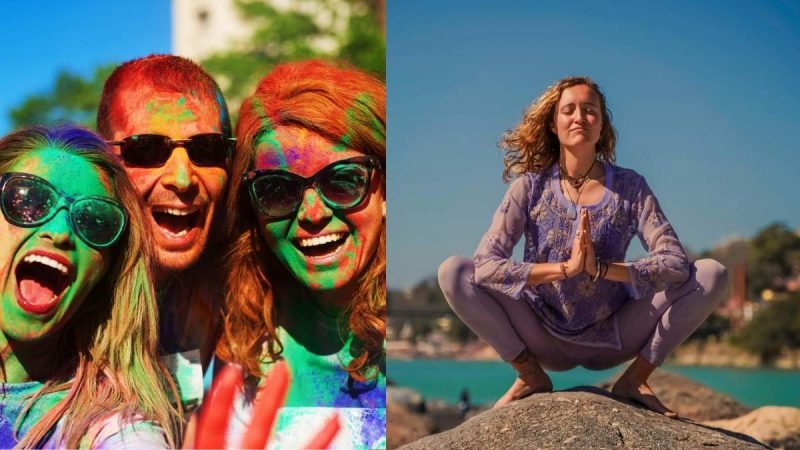
March in India is not shoulder season, and it is not “pleasant weather time.” It’s when multiple calendars collide, like the Hindu lunar cycle reaches its crescendo in Phalguna, the Sikh Nanakshahi calendar marks martial memory, agrarian communities shift from clearing to sowing, and coastal conservationists wait for hatchlings to break through sand. Travel in March isn’t about temperature; it’s about timing. Miss the window, and you miss the event entirely. Here are 10 such unmissable events and the places to visit in India in March.
10 Places In India That Host Special Spectacles In March
1. Holi Along The Ganges: Varanasi, Uttar Pradesh
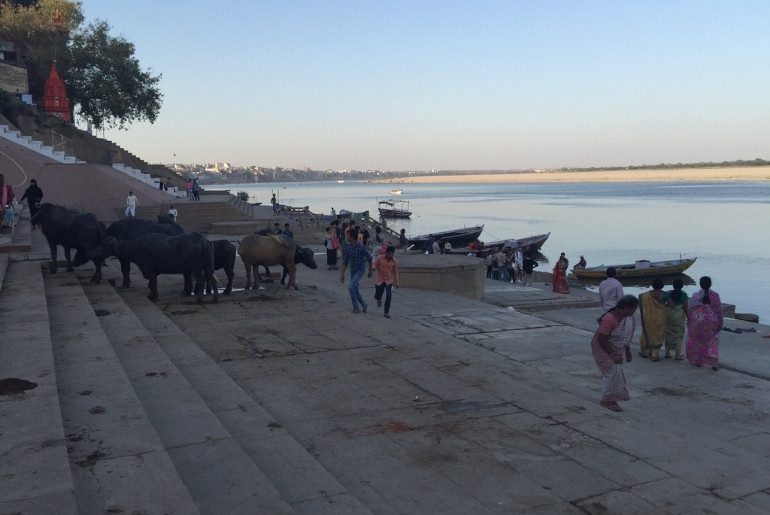
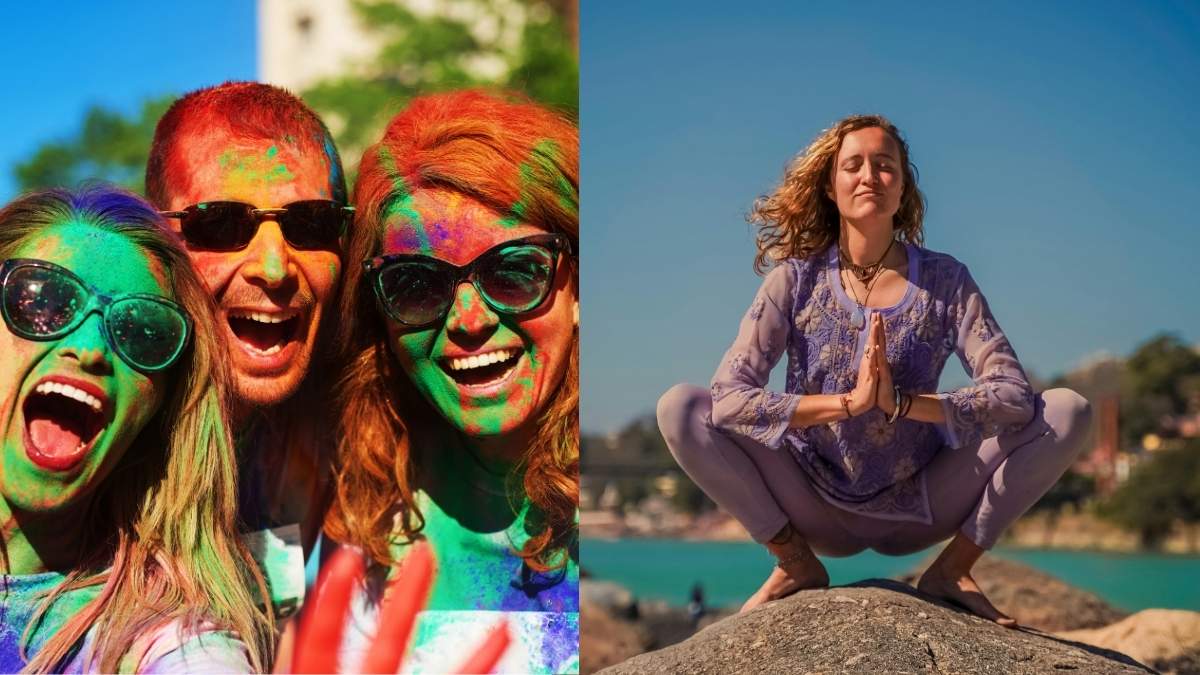
Holi lands on the full moon of Phalguna, always in March. In Varanasi, the sequence matters. The night before colour play, neighbourhoods gather around stacked wood for Holika Dahan. The ritual bonfire isn’t a symbolic decoration, it marks the tale of Prahlad’s survival and the defeat of Holika. Priests chant, families circle the flames, and offerings are thrown into the fire here.
By sunrise the next morning, the ghats are already crowded. Pilgrims step into the Ganges before the colours begin. Sadhus, their bodies already ash-smeared, add streaks of pink and saffron. Temple bells continue even as drums take over. By April, the heat thickens the air. In March, you can still stand at Dashashwamedh Ghat at 7 AM, damp from the river, colour in your hair, and not feel exhausted.
2. International Yoga Festival: Rishikesh, Uttarakhand
In early March, before rafting season peaks and before summer crowds arrive, Parmarth Niketan hosts the International Yoga Festival. It isn’t a marketing exercise; it’s a week-long convergence of lineages. Practices begin at sunrise on the Ganges steps and it’s an experience like none other.
Rishikesh’s reputation as a spiritual centre predates the Beatles and Instagram retreats. For centuries, it has been a gateway town, with ascetics passing through on their way to the Himalayan caves. March is when the climate cooperates: mornings cool enough for prolonged pranayama, and afternoons warm enough to sit outdoors without discomfort.
Also Read: Gen Z Is Spiritual! 59% Gen Z Pick Rishikesh Over Party Destinations, Study Shows Travel Shift
3. Hola Mohalla: Anandpur Sahib & Amritsar, Punjab
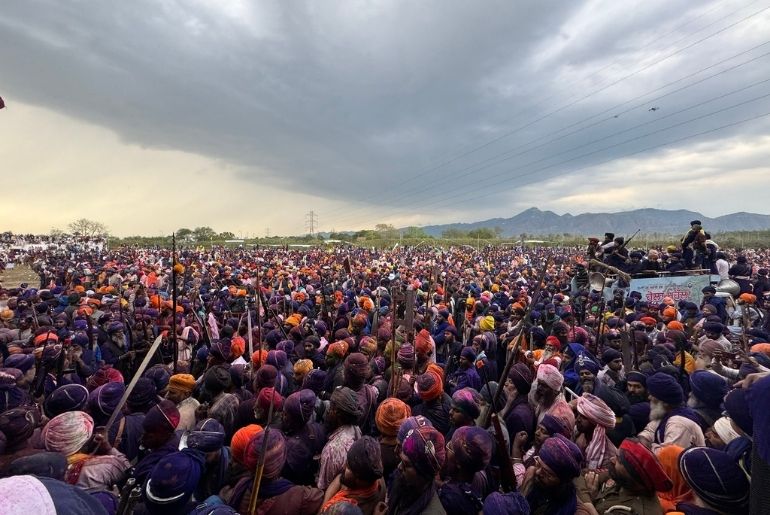
Hola Mohalla was initiated by Guru Gobind Singh in 1701. Instead of coloured powder, there are weapons here, and instead of playful chasing, there are mock battles. Nihang warriors ride horses at speed, unsheathe swords, and demonstrate Gatka with precision that is anything but theatrical.
At Anandpur Sahib, temporary camps fill the fields. Langars feed thousands, kirtan continues through the night, and the martial displays are not reenactments for tourists; they are assertions of identity rooted in Sikh history. March is crucial because Hola Mohalla follows Holi by design, a deliberate re-framing of festivity into discipline. The Golden Temple in Amritsar sees an increase in pilgrims during this period, and evenings remain cool enough to sit by the sarovar long after sunset.
4. Chapchar Kut: Aizawl, Mizoram
In shifting cultivation cycles, once forest clearing is complete and before sowing begins, there is a brief window. That window falls in early March. Historically, it was the first moment of rest after labour. The Cheraw bamboo dance defines the celebration. Two rows of men rhythmically open and close bamboo poles on the ground while women step between them in coordinated patterns.
The dance demands timing; one mistake and the ankles are caught. The festival preserves agricultural memory. It doesn’t exist outside this season because its logic is ecological and not merely decorative.
5. Shigmo: Goa
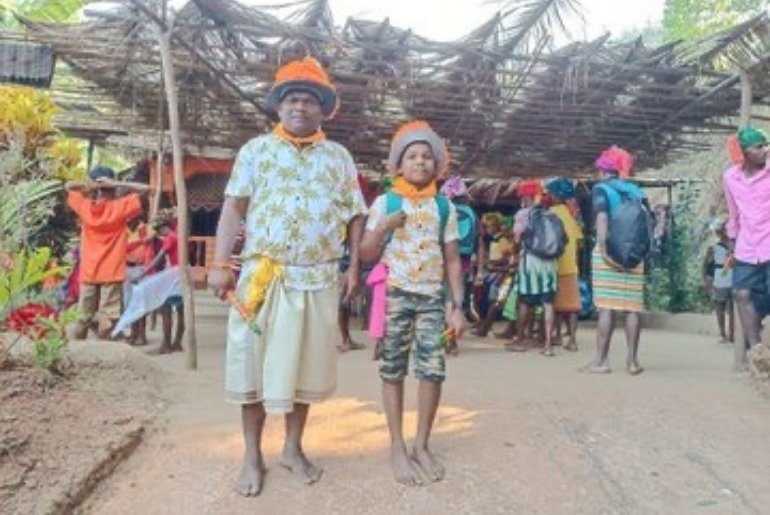
Shigmo emerges from rural Hindu communities marking spring’s arrival. Through March, towns across Goa host parades where mythological scenes are recreated on moving floats. Local dance forms such as Fugdi and Ghode Modni move through streets lit by temporary arches.
Temple rituals anchor the festival before public parades expand it. March is when coastal heat is still bearable, and evenings remain breezy. By late April, the humidity becomes heavy, as Shigmo occupies that narrow atmospheric band where celebration can unfold outdoors for hours without fatigue.
Also Read: Did You Know India Has A Secret Nude Beach In Goa Where You Can Roam In Your Birthday Suit?
6. Attukal Pongala: Thiruvananthapuram, Kerala
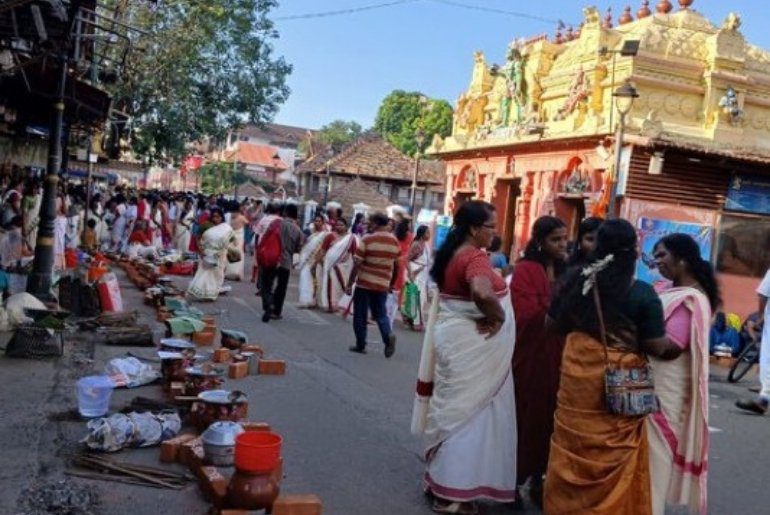
On one morning, often in early March, streets in Kerala’s capital transform into an open-air kitchen. Attukal Pongala is dedicated to Goddess Bhadrakali. Women set up brick hearths across kilometres of roadway and clay pots are placed above wood fires, while rice, jaggery, and coconut simmer under watchful eyes. There is no central stage, and the act of cooking itself is the offering. When the temple priest signals completion, the city seems to exhale at once.
7. Myoko Festival: Ziro Valley, Arunachal Pradesh
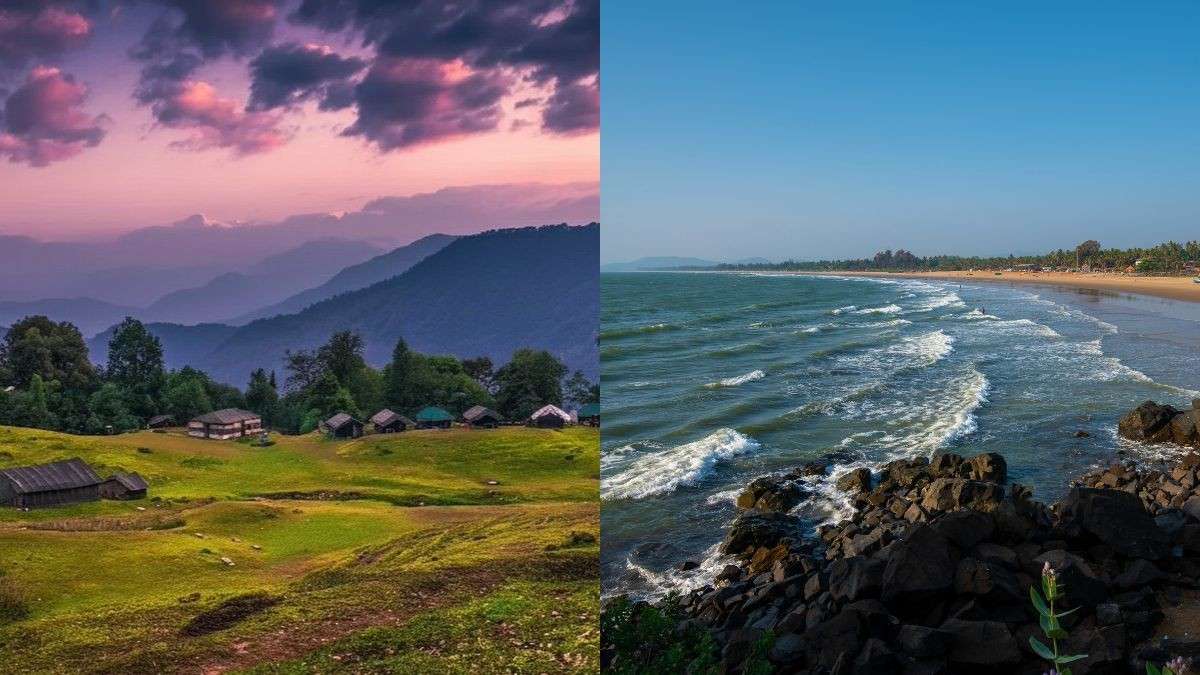
In March, Apatani villages in Ziro observe Myoko, a festival centred on friendship, fertility, and agricultural well-being. Clans exchange ceremonial gifts, and ritual animals are offered. Feasts stretch late into the evening, while wooden houses with distinctive sloping roofs form the backdrop.
Myoko is not a spectacle arranged for outside audiences; it reinforces alliances within and between villages. March is when fields are prepared, and before planting intensifies. Social cohesion precedes agricultural commitment. The valley begins shifting from winter dryness to early spring green during this period. While full orchid bloom arrives later, the first signs of seasonal change appear now.
Also Read: What Is Micro Retirement? 12 Places In India And The World For A Restful, Affordable Reset
8. Gangaur: Rajasthan
Gangaur begins after Holi and often unfolds across late March, depending on the lunar cycle. Dedicated to Gauri (Parvati), it centres on marital devotion and feminine strength. Women carry decorated idols through the streets, singing traditional songs that predate modern urban expansion.
In Jaipur and other cities, processions move through old quarters, accompanied by musicians in traditional attire. Unlike Holi’s exuberance, Gangaur is deliberate, ritualistic, and patient. Its placement immediately after Holi ties it firmly to March’s seasonal turn, from colour to continuity.
9. Amrit Udyan Spring Opening: New Delhi
For a few weeks each year, the gardens within Rashtrapati Bhavan open to the public. By March, tulips and roses reach peak bloom before temperatures climb sharply in April.
The design draws from Mughal charbagh principles of symmetry, water channels, and axial planning, adapted by Edwin Lutyens during the construction of New Delhi. March is the final practical viewing window, after that, Delhi’s heat begins rewriting the landscape.
Also Read: After French President, Canadian PM To Check In At Taj Mahal Palace Before Delhi Trip
10. Olive Ridley Turtle Hatching: Velas, Maharashtra
On the Konkan coast, Olive Ridley turtles nest along protected beaches between February and March. Hatchlings emerge weeks later, often in March, and conservation volunteers guide them safely to the sea.
Velas village built a festival around protection. Visitors are briefed on distance rules, flash photography is prohibited, and the event is timed entirely around biology. Once hatchlings disperse, the experience disappears until the next nesting cycle.
Also Read: No Changes In Maharashtra’s Dry Days; Liquor Ban On Holi & Muharram Not Revoked
March is not a generic travel month, it is more like a threshold. This is when agricultural calendars reset, lunar cycles peak and martial memory resurfaces. So, which of these March events excites you the most?
Cover Image Courtesy: suganaphotos/Canva Pro and stock_colours/Canva Pro
For more such snackable content, interesting discoveries and the latest updates on food, travel and experiences in your city, download the Curly Tales App. Download HERE. First Published: March 02, 2026 4:32 PMFAQs
Is March a good time to travel in India?
Yes. March offers major cultural festivals, moderate temperatures in many regions, and unique seasonal events before peak summer heat begins.
Where can I experience Holi in March?
Varanasi, Mathura, Vrindavan and other North Indian cities host large-scale Holi celebrations, especially around the ghats and temples.
When does Hola Mohalla take place?
Hola Mohalla is celebrated in March, immediately after Holi, primarily in Anandpur Sahib, Punjab.
Can tourists attend the Velas Turtle Festival?
Yes, but visitors must follow strict conservation guidelines, including no flash photography and maintaining distance from hatchlings.
When does Amrit Udyan open to the public?
The gardens at Rashtrapati Bhavan open for a limited period during spring, usually February–March, before Delhi’s summer heat intensifies.