

India has plenty of museums dedicated to the freedom movement, but some of the most powerful ones were never built as museums at all. They were living rooms, courtyards, studies, terraces, and bedrooms. What stays with you isn’t just the artefacts. It’s the feeling that someone actually lived here. A pair of spectacles, a writing desk, a worn-out staircase, a courtyard that once echoed with conversations about swaraj. These places make the freedom struggle feel very close. If you’re planning an Independence Day trip, these are the addresses worth remembering.
Independence Day: 8 Freedom Fighter Homes That Are Now Museums
1. Mani Bhavan Gandhi Sangrahalaya, Mumbai, Maharashtra
Mani Bhavan sits in all its glory in Mumbai’s Gamdevi area, and that’s part of what makes it unforgettable. Mahatma Gandhi stayed here repeatedly between 1917 and 1934, and during those years this modest house became the backdrop for some of the most consequential chapters of the independence movement. The Non-Cooperation Movement, the promotion of khadi, civil disobedience campaigns, and countless meetings with national leaders all passed through these rooms. The museum hasn’t tried to turn the house into a grand monument. Gandhi’s room remains very simple, with his spinning wheel, mattress, and personal belongings still in place.
Also Read: 15 Independence Day Menus Across India To Eat Your Way Through The Long Weekend
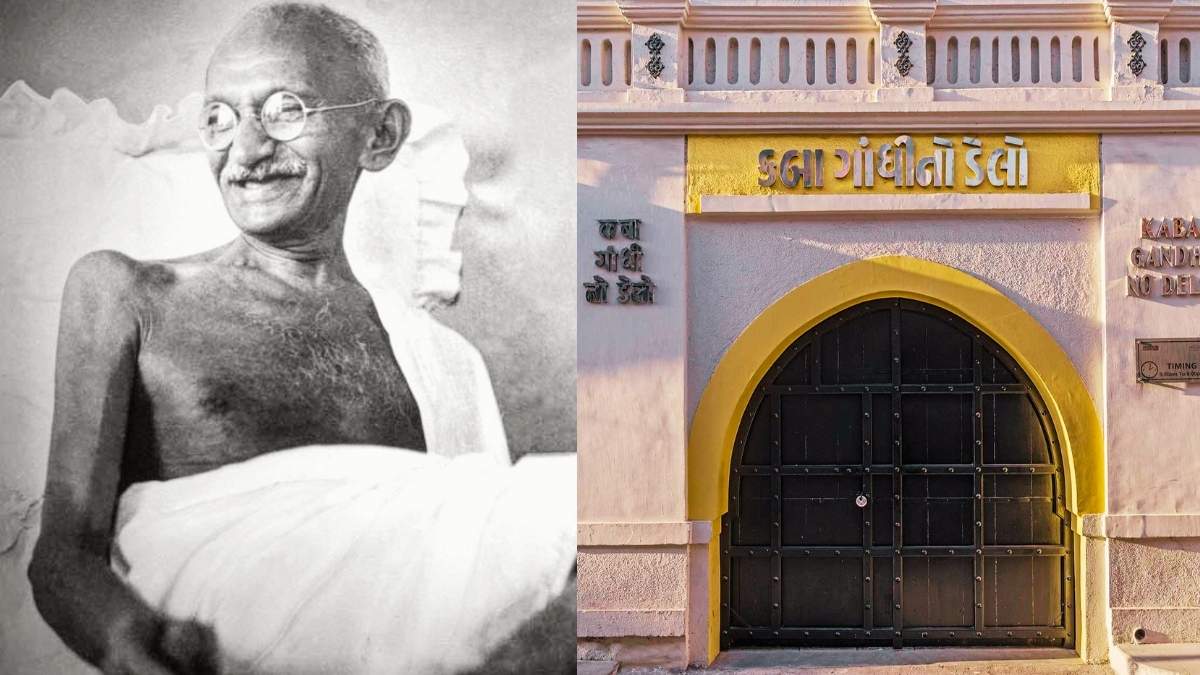
2. Kaba Gandhi No Delo, Rajkot, Gujarat
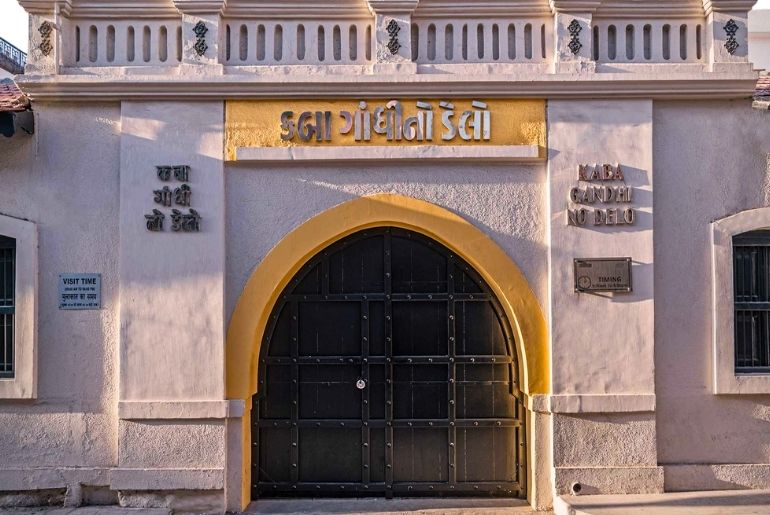
Before he became Mahatma Gandhi, he was Mohandas, a child running through the courtyards of this traditional Gujarati home. Kaba Gandhi No Delo was the residence of his father, Karamchand Gandhi, and it offers something rarely iconic: a glimpse of Gandhi before history claimed him. The wooden balconies, inner courtyard, family photographs, and restored living spaces reveal a deeply domestic world.
3. Anand Bhavan, Prayagraj, Uttar Pradesh
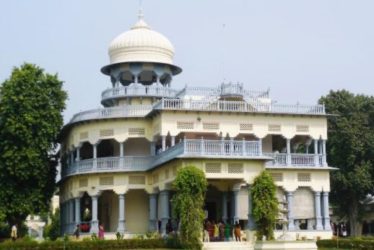
Anand Bhavan feels more like a witness. The Nehru family residence hosted political discussions that shaped the future of the country, and nearly every room seems connected to a story. Motilal Nehru built it, Jawaharlal Nehru grew into national leadership here, and leaders of the freedom movement walked through its corridors regularly. The museum retains the elegance of the original mansion while displaying personal belongings, letters, photographs, and historical documents on Independence Day.
Also Read: In Pics: Mumbai Airport Marks India’s 80th Independence Day With Stunning Tricolour Lighting
4. Swaraj Bhavan, Prayagraj, Uttar Pradesh
Next door to Anand Bhavan is a house that carries a different energy. Swaraj Bhavan was the Nehru family’s earlier residence and later became a crucial base for Congress activities. Meetings were held here, strategies were discussed, and nationalist politics unfolded within its walls. The building eventually became associated with organised political work in a way few private residences ever do. Walking through it today, you’re constantly reminded that India’s freedom movement was not only fought on streets and in prisons; it was also planned around dining tables and in drawing rooms where people argued, negotiated, and imagined a different future.
5. Shaheed Bhagat Singh Museum, Khatkar Kalan, Punjab
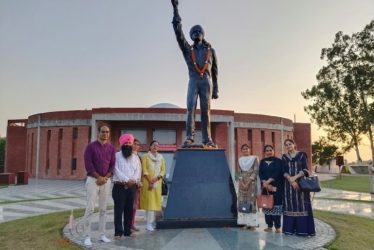
Bhagat Singh’s ancestral home in Khatkar Kalan is one of those places that simply dismantle the mythology around a national icon. You come expecting the legend and leave thinking about the young man. The museum houses family photographs, personal belongings, documents, and memorabilia connected to his life and revolutionary activities. The preserved rooms create an intimacy that biographies often cannot. The distance between “Shaheed Bhagat Singh” and “Bhagat, someone’s son who once lived in this house” suddenly becomes very small.
Also Read: Independence Day 2026: On Aug 15, Bengaluru To Host Freedom Habba At Vidhan Soudha With Tours & Art
6. Lala Lajpat Rai House Museum, Jagraon, Punjab
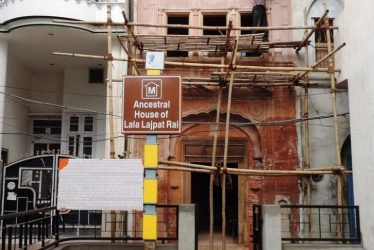
This museum contains his furniture, writing desk, personal possessions, and historical records that trace his role in the nationalist movement. Known as Punjab Kesari, Rai was one of the strongest voices against British rule, and the house reflects the life of a man who combined intellectual work with political action. Standing before his writing table, you’re reminded that resistance was not only fought through protests and imprisonment. It was also fought through speeches, articles, correspondence, and relentless organisation.
7. Veer Kunwar Singh Museum, Jagdishpur, Bihar
History has a habit of underestimating age, and Veer Kunwar Singh is the perfect correction. In his seventies, he emerged as one of the most formidable leaders of the 1857 uprising against the British. His residence in Jagdishpur has been converted into a museum that chronicles his campaigns, military leadership, and extraordinary resilience. The exhibits include weapons, portraits, and historical material connected to the rebellion, but the house itself tells an equally compelling story. It reminds visitors that India’s struggle against colonial rule did not begin in the twentieth century,
Also Read: Independence Day 2026: For First Time, Vande Mataram To Be Sung Before National Anthem At Red Fort
8. Rajguru Memorial, Rajgurunagar, Maharashtra
Rajguru is often remembered alongside Bhagat Singh and Sukhdev, but his home in Rajgurunagar allows his individual story to emerge. The restored ancestral house has been preserved as a memorial that reflects both his personal life and his revolutionary commitment. There is something very affecting about the scale of the place. It feels like a real home, not a monumental structure built to impress visitors. Rajguru was only twenty-two when he was executed, and that fact follows you through every room.
India’s Independence Day was shaped in public squares, yes, but also in homes. These homes are still standing. And they’re waiting to be walked through.
Cover Image Courtesy: Wikipedia and aryanmishra/Canva Pro
FAQs
Which is the most famous freedom fighter home museum in India?
Mani Bhavan Gandhi Sangrahalaya in Mumbai is one of the most famous freedom fighter home museums and is closely associated with Mahatma Gandhi’s political work.
Can you visit Bhagat Singh’s ancestral home?
Yes, Bhagat Singh’s ancestral home in Khatkar Kalan, Punjab, has been converted into a museum and memorial dedicated to his life and revolutionary activities.
What can you see at Anand Bhavan in Prayagraj?
Visitors can see personal belongings, letters, photographs, furniture, and historical documents related to the Nehru family and India’s freedom movement.
Why is Swaraj Bhavan historically important?
Swaraj Bhavan served as an important base for Congress activities and nationalist political meetings during the Indian independence movement.


