
Halloween 2026 has a reputation for making death look rather tasty. There are skeletons hanging from balconies, ghosts on supermarket shelves and enough pumpkin-shaped candy to send a dentist into a spiral. But beyond the costumes and jump scares, the end of October ushers in a season when several cultures remember the dead through something far more substantial: food. From Mexico’s bone-decorated sweet bread to England’s centuries-old soul cakes, these dishes carry stories of people who believed that remembering the departed deserved more than a passing thought.
Halloween 2026: 8 Foods That Have A Spooky Connection With The Dead
1. Pan De Muerto, Mexico
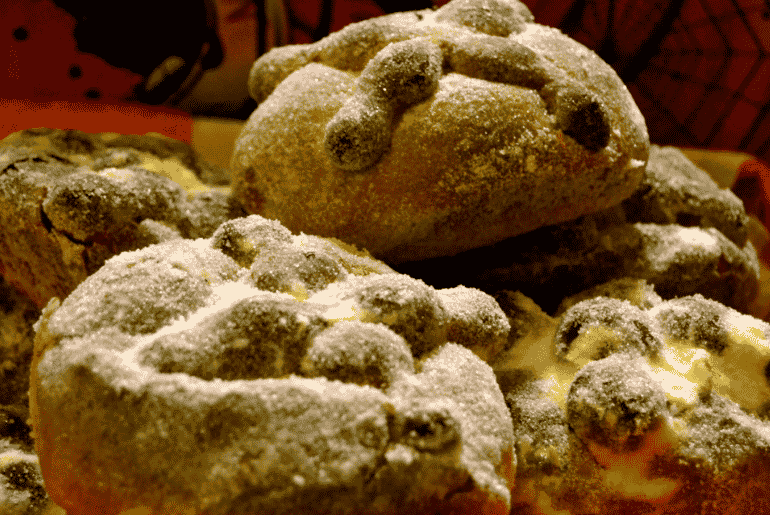
Mexico’s Day of the Dead celebrations begin on November 1, making the days immediately after Halloween a particularly interesting time to discover pan de muerto, or bread of the dead. This soft, sweet bread is typically flavoured with orange blossom or anise and decorated with strips of dough that resemble bones.
But the real story unfolds on the ofrenda, a home altar where families arrange the bread alongside photographs, candles, marigolds and other offerings for deceased relatives.
The tradition centres on welcoming loved ones’ spirits back for a visit, turning the food into an expression of affection rather than a macabre novelty. Recipes vary across Mexico, with some versions featuring sesame seeds or different shapes.
2. Soul Cakes, England
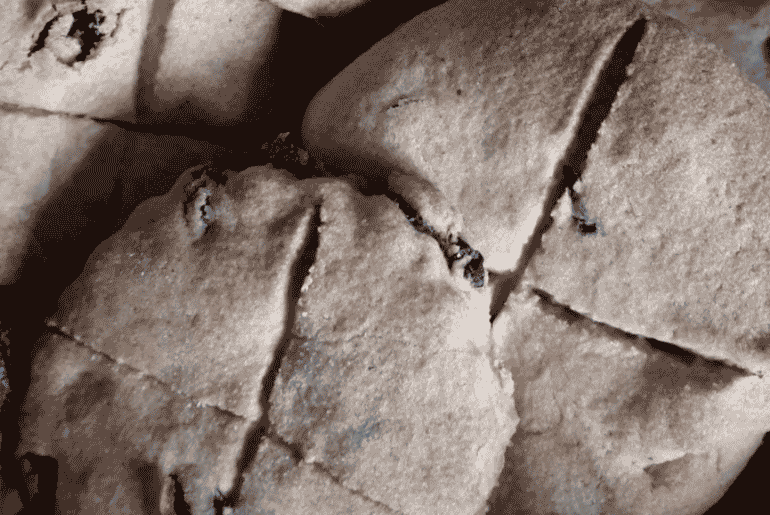
Imagine knocking on someone’s door on Halloween and asking for a cake in exchange for a prayer for their dead relatives. In medieval England, a tradition known as souling involved something remarkably similar. Small cakes made with flour, spices and dried fruit were distributed around All Saints’ Day and All Souls’ Day, and those receiving them would pray for the souls of deceased members of the household.
These treats became known as soul cakes, and the custom is often discussed as one of the historical traditions associated with modern trick-or-treating. The religious context matters, though; this was not simply an excuse to collect sweets. The cakes were connected to prayers for the dead, reflecting beliefs about the spiritual significance of remembrance.
Also Read: Why Do Kids Go Trick-Or-Treating On Halloween? The Fascinating History Behind The Tradition
3. Fiambre, Guatemala
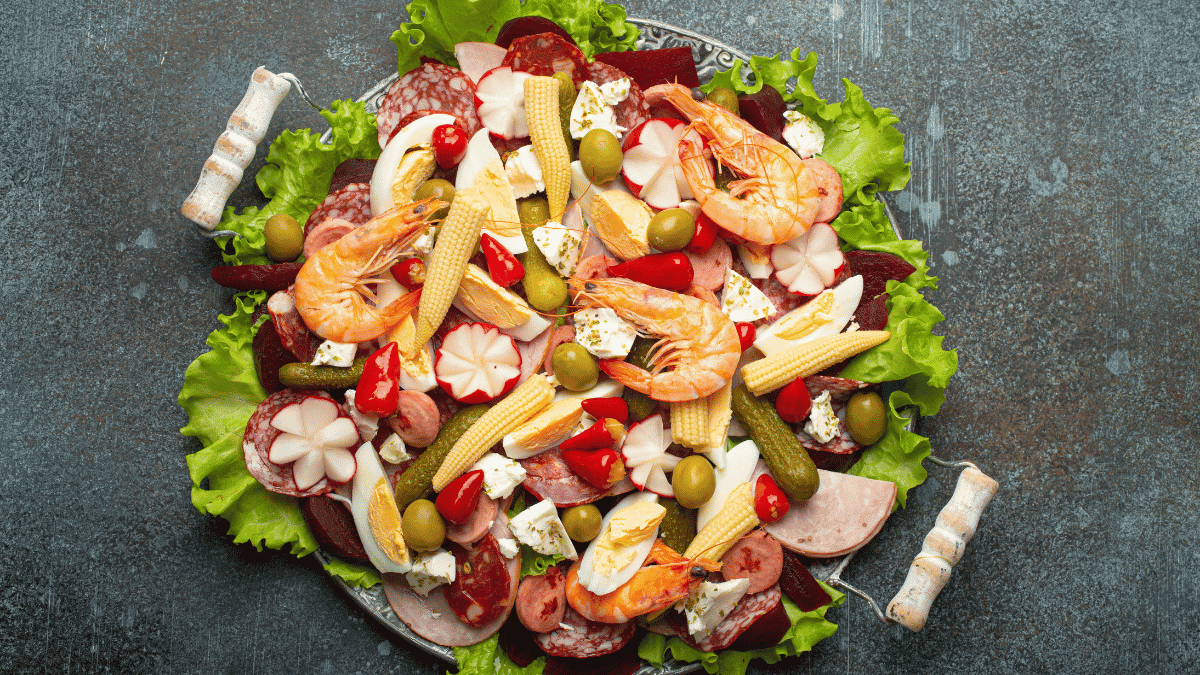
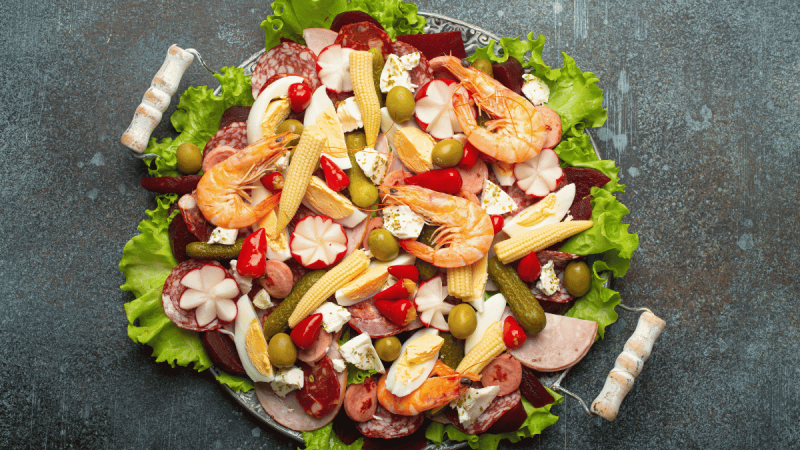
Some salads are a side dish. Guatemalan fiambre is practically an entire family reunion assembled on a platter. Traditionally eaten on November 1, the chilled dish can contain cold cuts, sausages, cheeses, eggs, pickled vegetables and numerous other ingredients, with some recipes incorporating dozens of components.
There is no single universal recipe; families often guard their own versions, passing down preparation methods through generations.
Fiambre is associated with All Saints’ Day and gatherings that honour deceased loved ones, with families sharing the dish as part of their remembrance traditions. Its elaborate composition makes it especially fascinating because each household’s version can reflect its own history, tastes and inherited customs.
4. Fave Dei Morti, Italy
Italy has a sweet treat whose name sounds like it belongs in a Halloween horror film. Fave dei morti translates to “beans of the dead”, but these traditional biscuits are generally made with ground almonds, sugar and other ingredients rather than actual beans. Associated with All Saints’ Day and the commemoration of the dead in early November, they recall older funerary customs in which broad beans held symbolic significance, including in ancient Roman traditions.
Over time, sweet preparations became part of remembrance customs in various Italian communities, with recipes and appearances differing by region. Some versions are pale and almond-shaped, while others feature different colours or textures.
Their history makes them an especially fitting discovery for Halloween 2026; beneath the innocent appearance of a small biscuit lies a centuries-old association between food and mortality. And if a bakery sold you something called “beans of the dead” without explaining the name, you would probably have a few questions, too.
5. Kollyva, Greece
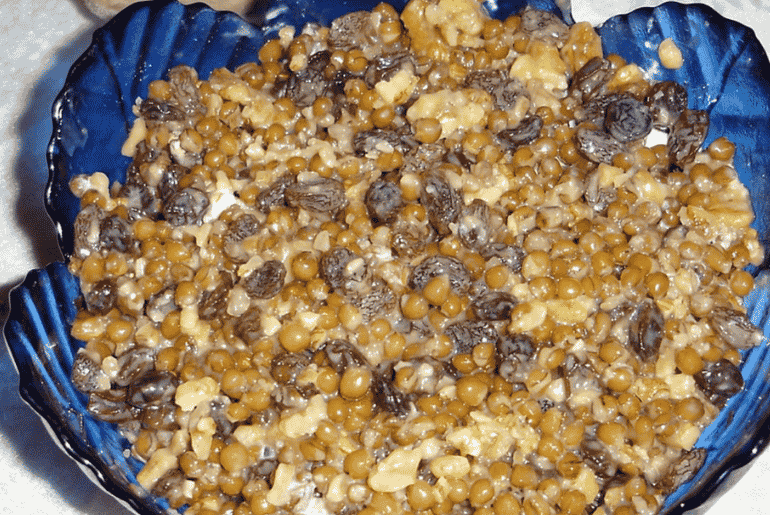
In Greek Orthodox Christian traditions, remembrance can take the form of kollyva, a ceremonial dish made from boiled wheat, often combined with raisins, nuts, pomegranate seeds, cinnamon and sugar. It is prepared for memorial services honouring deceased loved ones, with the ingredients arranged on a tray that may be decorated with sugar or almonds.
The wheat is the key to understanding the dish; grains are buried in the earth before growing into new plants, making them a symbol of resurrection and the hope of life beyond death in Christian belief. Following the service, kollyva is shared with members of the congregation. There is no Halloween-specific ritual attached to it, and the dish is prepared throughout the year for religious observances.
6. Food Offerings For Ancestors, China
In China, the Qingming Festival, usually observed around April 4 or 5, is a time when families visit ancestral graves, clean burial sites and pay their respects. Food offerings can form part of these visits, with families bringing fruit, rice, cooked dishes, tea and other items according to their customs.
The choices are not identical across China, and the significance of particular foods can differ between families and regions. What remains central is the gesture itself: descendants honouring those who came before them. Some families also gather to share meals, connecting remembrance with the everyday rituals that hold relatives together. Qingming takes place months before Halloween, but the contrast is worth exploring as October approaches.
7. Somen Noodles And Vegetarian Offerings, Japan
Japan’s Obon festival, observed in July or August depending on the region, is dedicated to welcoming and honouring ancestral spirits. Food plays a role in household observances, and some families prepare vegetarian dishes associated with shōjin ryōri, a Buddhist culinary tradition built around plant-based ingredients.
Somen, thin wheat noodles commonly served cold, also appear in certain regional Obon customs. The festival has other distinctive traditions, including making miniature horses from cucumbers and oxen from aubergines to symbolise transport for the spirits. The precise customs vary, so these foods and objects should not be mistaken for universal practices across Japan.
8. Biko And Suman, The Philippines
In the Philippines, the beginning of November brings Undas, the period around All Saints’ Day on November 1 and All Souls’ Day on November 2 when families gather to remember deceased relatives. Cemetery visits can involve prayers, cleaning graves, lighting candles and spending hours with extended family.
Food often accompanies these gatherings, although customs vary between households and regions. Traditional Filipino rice cakes such as biko, made with glutinous rice, coconut milk and brown sugar, and suman, sticky rice wrapped and cooked in banana leaves, may feature in family meals and gatherings. These are not exclusive to Undas, but familiar dishes can become part of the occasion’s sense of togetherness.
Also Read: Halloween 2026: 5 Cities Around The World That Go All Out With Spooky Parties, Costumes & More
Halloween may be the season when ghosts take over shop windows, but these food traditions tell a much richer story about the relationship between the living and the dead. Some are centuries old, some are rooted in religious beliefs, and others have evolved through family customs passed down over generations.
Cover Image Courtesy: olenayeromenkophotos/Canva Pro
FAQs
What are some Halloween food traditions around the world?
Popular examples include Mexico’s Pan de Muerto, England’s soul cakes, Guatemala’s fiambre and Italy’s Fave dei Morti. These foods are associated with remembrance, religious observances and traditions honouring deceased loved ones.
What is Pan de Muerto?
Pan de Muerto is a sweet Mexican bread traditionally prepared for Día de los Muertos, or Day of the Dead. Often decorated with bone-shaped pieces of dough, it is placed on altars alongside photographs, candles and other offerings.
What are soul cakes, and how are they connected to Halloween?
Soul cakes were traditionally distributed in England around All Saints’ Day and All Souls’ Day. The custom of souling involved receiving cakes in exchange for prayers for the souls of deceased people and is often linked to the historical background of modern trick-or-treating.


