


The Real Origin Behind Halloween’s ‘Trick Or Treat’
Trick-or-treating developed from a mix of ancient beliefs, medieval Christian customs and community traditions. Over time, what began as a way to honour the dead and seek protection from spirits evolved into a fun activity for children. The roots of Halloween can be traced to Samhain, an ancient Celtic festival marking the end of the harvest and the beginning of winter. Celebrated around October 31 and November 1, Samhain was associated with the belief that the boundary between the living and the dead became thinner, allowing spirits to enter the human world. Additionally, people lit bonfires and sometimes wore disguises to protect themselves from supernatural beings. Some also left food offerings to appease wandering spirits. Although these customs were not the same as modern trick-or-treating, they helped shape Halloween’s association with costumes, the dead and the exchange of food.
Another important influence emerged during the Middle Ages. In parts of England, poor people visited wealthier households around All Souls’ Day, observed on November 2, and received small pastries called soul cakes in exchange for praying for the souls of the householders’ deceased relatives. This practice became known as souling and was eventually taken up by children.
How Trick-Or-Treating Became A Halloween Tradition
Halloween customs travelled to North America with Irish and Scottish immigrants, particularly during the 19th century. By the early 20th century, Halloween celebrations in the United States included parties, costumes and increasingly mischievous pranks. During the 1920s and 1930s, some Halloween pranks escalated into vandalism, prompting communities to look for ways to make the night safer. Encouraging children to visit neighbours and receive treats offered a more organised alternative to destructive mischief.
Also Read: Mysuru Dasara 2026: Your Complete Guide To Dates, Events, Hotels, Tickets, Food And Attractions
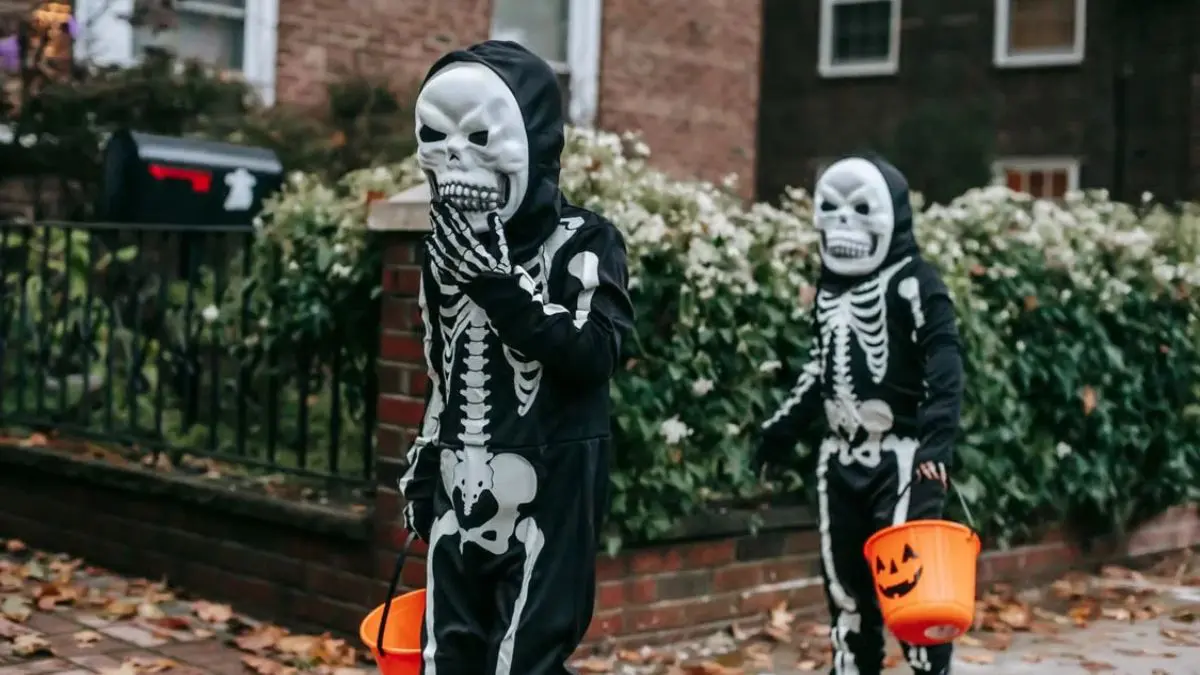
The phrase “trick or treat” began appearing in North America in the early 20th century, and the custom became more widespread after the Second World War. The end of wartime sugar rationing, the growth of suburban neighbourhoods and the availability of individually wrapped sweets helped turn it into a familiar annual ritual. Today, children usually have no intention of playing tricks on homeowners. Instead, they go door to door for sweets, enjoy dressing up and spend time with friends and neighbours. What began as a blend of ancient beliefs and centuries-old customs has become a celebration of imagination, community and childhood fun.
Are you ready for Halloween?
Cover Image Courtesy: Pexels/Charles Parker
FAQs
What does trick-or-treat mean in Halloween?
Trick-or-treating means "give me a treat, or I will play a trick on you." It is a Halloween custom where children wear costumes and go from house to house asking for candy, snacks, or money.
Why do they say trick-or-treat on Halloween?
The phrase "trick or treat" is a playful ultimatum: children ask for a sweet gift (the treat), with a lighthearted warning that they might play a harmless prank or bit of mischief (the trick) if they do not receive one.
Is trick-or-treating on 30th or 31st?
Trick-or-treating traditionally takes place on October 31st, regardless of the day of the week.


