

There is a very keen type of panic that comes with being handed a 12-page wine menu at a fancy restaurant. And then, ordering a glass of wine feels like an exam you forgot to prepare for. But wait, my friend, this International Merlot Day, you don’t need to know every grape variety or memorise the vineyards of France to enjoy a good wine. A little familiarity with the vocabulary goes a long way. From understanding why some wines leave your mouth feeling dry to knowing what makes a particular bottle worth ordering, here are eight wine terms that will make your next fine-dining experience amazing on International Merlot Day.
International Merlot Day: 8 Wine Terms Every Beginner Should Know
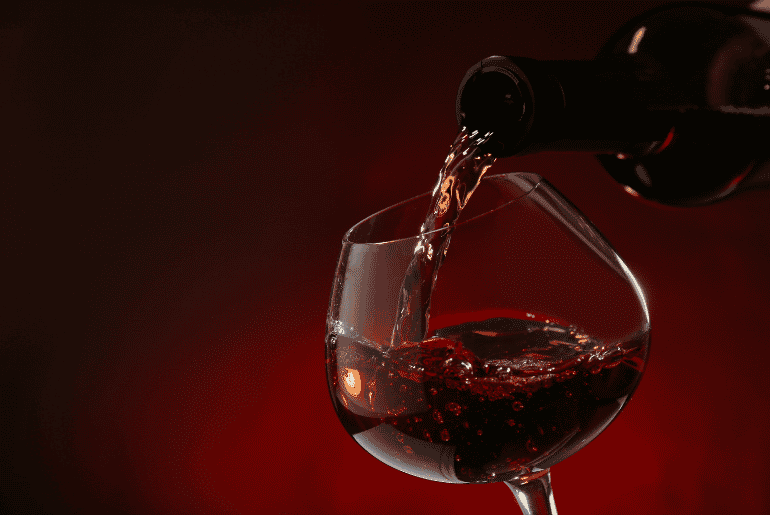
1. Terroir: The Taste Of Where The Grapes Grow
Pronounced tehr-wahr, terroir is one of those words that sommeliers love dropping into conversations. But it actually describes something quite fascinating. It refers to the natural environment in which grapes are grown, including the soil, climate, altitude, rainfall and geographical conditions.
Think of it this way: grapes grown in a sunny, warm region might develop differently from those cultivated in a cooler climate. Even the same grape variety can produce wines with noticeably different characteristics depending on where it grows.
Take Burgundy and California, for example. Both produce Pinot Noir, but the wines can have very different expressions. So, when someone talks about terroir, they are talking about the influence of a wine’s birthplace.
Also Read: Did You Know Kerala Created A Wine Out Of Its Most Loved Jackfruit?
2. Tannins: Why Does Red Wine Make Your Mouth Feel Dry?
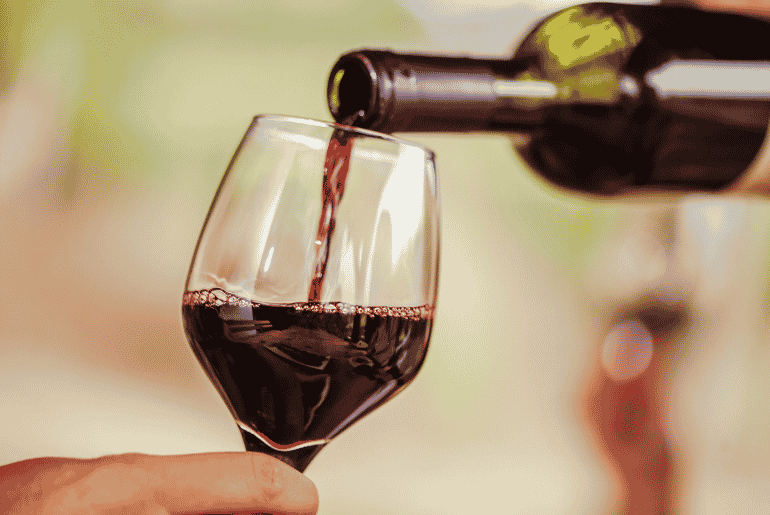
Ever taken a sip of red wine and felt your mouth turn slightly dry? That’s probably the tannins doing their thing.
Tannins are naturally occurring compounds found in grape skins, seeds and stems. They can also enter wine through oak ageing. They create that drying, slightly puckering sensation, particularly noticeable in red wines such as Cabernet Sauvignon and Nebbiolo.
And did you know tannins are also one of the reasons certain red wines can age beautifully? They contribute structure and can soften over time. If you enjoy bold reds with a little grip, tannins are something you might actually appreciate rather than avoid.
3. Body: Is Your Wine Light, Medium Or Full?
No, we aren’t discussing the shape of the wine bottle. Body describes how heavy or rich a wine feels when you take a sip.
A light-bodied wine feels relatively delicate and refreshing, while a full-bodied one has a richer, heavier mouthfeel. Medium-bodied wines sit somewhere between the two.
For a quick reference, Pinot Grigio is generally light-bodied, Merlot is often medium-bodied, and Cabernet Sauvignon is typically full-bodied. Chardonnay can fall into different categories depending on how it is made, and is a treat on International Merlot Day.
4. Bouquet: More Than Just A Pleasant Smell
Wine tasting is not just about taking a sip and deciding whether you like it. Your nose does a surprising amount of the work, too.
In wine terminology, aroma generally refers to scents associated with the grapes and fermentation, while bouquet describes the more complex smells that develop as wine ages.
A younger wine might remind you of fresh strawberries, citrus or flowers. An aged bottle could carry notes of leather, tobacco, dried fruits or spices. These descriptions might sound a little dramatic until you actually try identifying them yourself.
The next time you see someone swirling their glass and taking a long sniff before drinking, they are exploring the wine’s aromas and bouquet.
Also Read: UP’s First Mango Winery In Lucknow Turns Local Mangoes Into Unique Fruit Wines
5. Vintage: Why Does The Year On The Bottle Matter?
That year printed on your wine bottle is not necessarily the year it was bottled. It usually indicates when the grapes used to make the wine were harvested.
This is called the vintage, and it can make a considerable difference to the final product. Weather conditions during a growing season influence how grapes develop. A particularly hot summer, unexpected rainfall or cooler temperatures can affect their ripeness, acidity and overall character.
This is also why wine enthusiasts sometimes pay close attention to specific vintages. Meanwhile, non-vintage wines are made using grapes or wine from multiple harvest years, allowing producers to maintain a consistent style.
6. Dry: Does It Mean The Wine Has No Fruitiness?
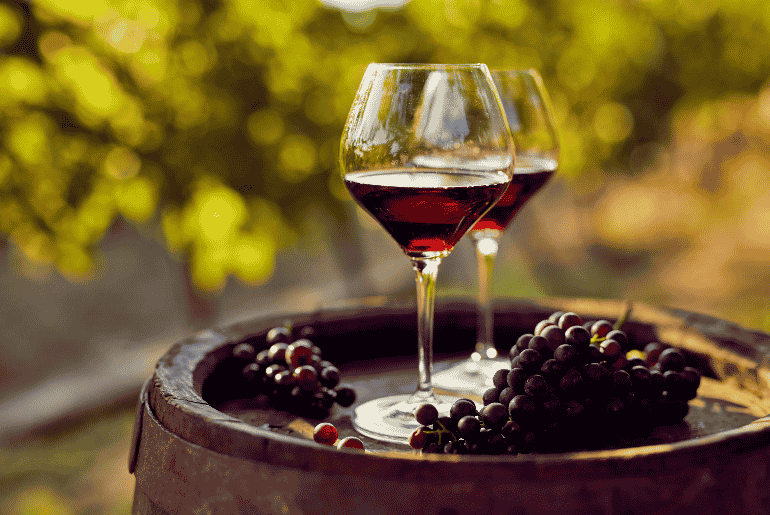
If someone asks whether you prefer dry or sweet wine, they are talking about residual sugar. A dry wine contains little residual sugar because most of the sugar in the grape juice has been converted into alcohol during fermentation.
Sauvignon Blanc, Cabernet Sauvignon and many Chardonnays are common examples of dry wines.
But here’s where people often get confused; dry does not mean flavourless. A dry wine can still taste fruity, with notes of apples, peaches, berries or citrus. Fruitiness refers to the flavours and aromas you experience, whereas sweetness relates to the actual sugar content.
So, if you enjoy fruity flavours but don’t particularly like sweet drinks, a dry wine might be exactly what you need.
Also Read: International Merlot Day: From History To Celebration To Best Merlot Wineries; All About It
7. Decanting: Why Is Your Wine Being Poured Into Another Vessel?
You have ordered a bottle, the server opens it, and instead of pouring it straight into your glass, they transfer it into a large glass container. No, it’s not an elaborate restaurant ritual designed to make your bill look more expensive. It’s called decanting. Fancy stuff ahead!
The process involves transferring wine from its bottle into a decanter. It is commonly done to separate older wines from sediment that may have collected at the bottom. It can also expose younger wines to oxygen, helping certain varieties open up and express their aromas.
Not every bottle needs decanting, though. Some wines benefit from it, while delicate older wines require a gentler approach.
8. Finish: The Taste That Stays After The Last Sip

Here’s something to pay attention to the next time you taste wine: what happens after you swallow it?
The lingering taste and sensation left in your mouth are called the finish. Some wines disappear almost immediately, while others leave flavours that stay with you for several seconds or longer.
You might notice hints of berries, oak, chocolate, spice or citrus long after taking a sip. Wine enthusiasts often appreciate a long, complex finish because it allows different flavours to unfold.
Now, The Wine List Doesn’t Look So Intimidating!
The next time you find yourself at a fine-dining restaurant, don’t let unfamiliar wine terminology put you off. You can ask the sommelier about the wine’s body, sweetness, tannins or finish without pretending to know everything about it. In fact, telling them what you usually enjoy is often more useful than trying to sound like a wine expert. After all, the point of ordering wine is to enjoy what’s in your glass, not to pass a vocabulary test.
Covet Image Courtesy: rostislav_sedlacek/Canva Pro
FAQs
What are the most important wine terms beginners should know?
Beginners should familiarise themselves with terms such as terroir, tannins, body, bouquet, vintage, dry, decanting and finish. These help explain a wine's origin, taste, texture and ageing process.
What does terroir mean in wine?
Terroir refers to the natural environment in which grapes grow, including soil, climate, altitude and geographical conditions. It influences the characteristics and flavour profile of the wine.
What are tannins in wine?
Tannins are naturally occurring compounds found in grape skins, seeds and stems. They create a dry, slightly puckering sensation in the mouth and contribute to a wine's structure and ageing potential.


