
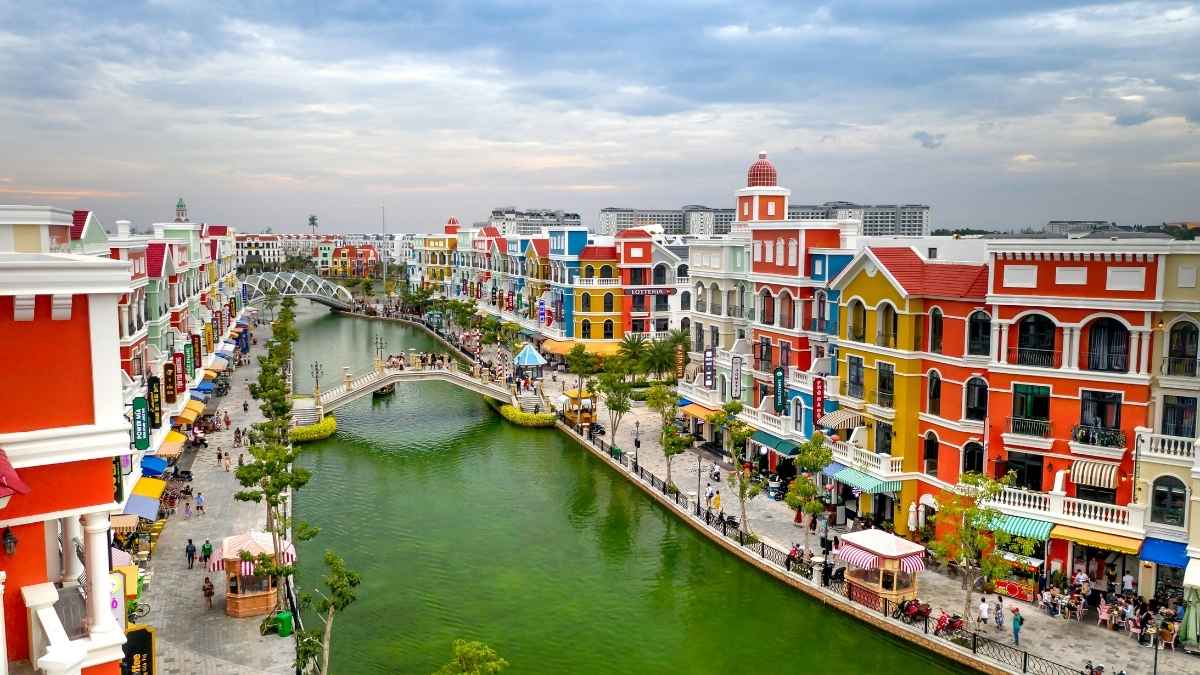

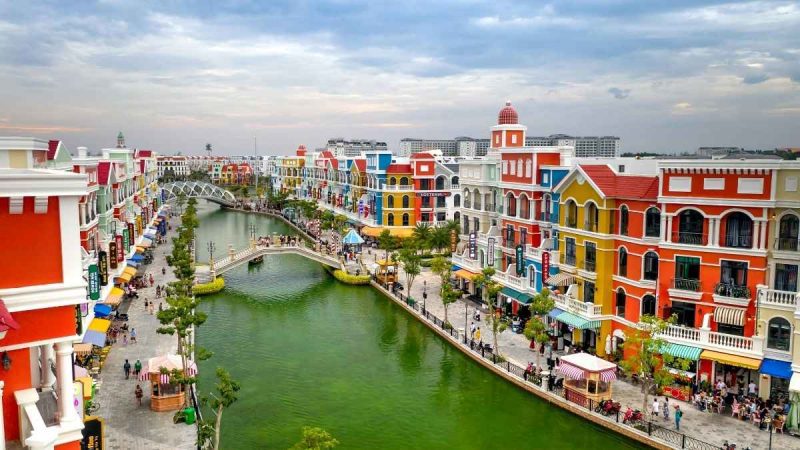
If Southeast Asia has hidden gems left, Phu Quoc quietly sits near the top of that list. It doesn’t chase attention the way Bali or Phuket do, yet its beaches are luminous, its forests untouched, and its rhythm slow enough to reset a tired mind. Locals call it Đảo Ngọc, The Pearl Island, and the name fits, as there’s a softness to life here with fishermen mending nets at sunrise, palm-fringed bays without high-rises, and sunsets that almost insist you pause whatever you’re doing.
Phu Quoc: Unveiling Vietnam’s “Pearl Island
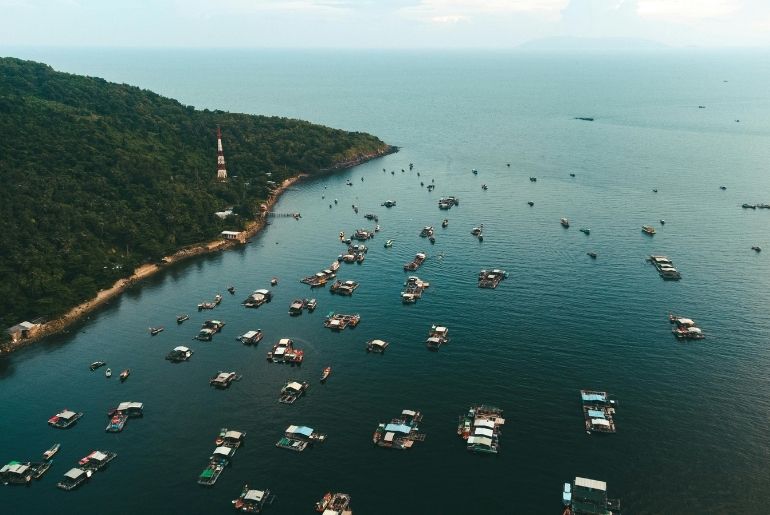
Geographically, it sits in the Gulf of Thailand, closer to Cambodia than mainland Vietnam, which explains its layered cultural roots. Centuries ago, Khmer communities lived here, and even today, you’ll see hints of Cambodian and Chinese influence in architecture and cuisine. Later, under the Nguyễn Lords, Phu Quoc firmly became part of Vietnam. The French colonial period added another chapter, and the Vietnam War turned sections of the island into prison camps. Ironically, the same place once known for confinement is now synonymous with open ocean, freedom, and barefoot wandering.
Also Read: Vietnam Is Welcoming Travellers With 41 New E-Visa Checkpoints; Arrive By Air, Road Or Sea!
Phu Quoc: How To Reach
Flying is undeniably the smoothest route. Phu Quoc International Airport (PQC) connects directly to major Vietnamese cities like Ho Chi Minh City, Hanoi, and Da Nang. The flight from Ho Chi Minh City is barely an hour, long enough to fasten your seatbelt, sip water, and prepare to land.
Travellers coming from India typically route through Ho Chi Minh City or Bangkok, as seasonal direct charters are not yet consistent. The most practical sequence remains:
India → Ho Chi Minh City → Phu Quoc
VietJet, IndiGo, Vietnam Airlines, AirAsia and Vistara are common combinations depending on the departure airport.
If you’re the kind who romanticises slow travel, there’s the bus + ferry route:
Ho Chi Minh City → Ha Tien or Rach Gia → High-speed boat to Phu Quoc. Ferries take between 1.5 and 3 hours, depending on the port. The payoff is arriving by sea, the island revealing itself gradually, like a postcard unfolding.
Also Read: What Is China’s 9-9-6 Work Culture, That Narayana Murthy Wants To Implement In India?
What To See And Do At Vietnam’s Little Paradise
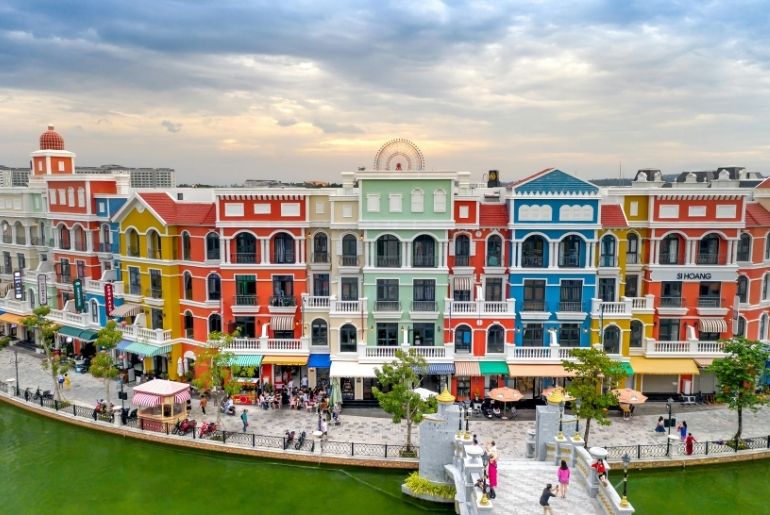
Most travellers start with beaches, understandably. Long Beach is the island’s social hub with sunbeds, cafés, massage huts, beach bars, families building sandcastles, and couples waiting for sunset mojitos. But the magic deepens the moment you go exploring.
To the west lies Ong Lang Beach, a quieter shoreline framed by rocks and boutique stays. Further south, Sao Beach and Khem Beach feel cinematic with pale sand that squeaks under your feet and water so clear you can see small fish darting near the shore.
Then there’s the An Thoi Archipelago, a string of tiny islands ideal for snorkelling, diving, sea walking, or simply anchoring somewhere to swim in turquoise lagoons.
Phu Quoc isn’t only about beaches, though. Nearly half the island is protected as Phu Quoc National Park, a UNESCO Biosphere Reserve. Trails cut through rainforest so dense it’s easy to forget you’re on an island. Monkeys chatter overhead while butterflies dance across the path. In the waterfall season, Suối Tranh becomes a favourite stop!
Also Read: Rolls-Royce In The Sea? Juhu Beach’s Viral Boat Has Got Everyone Excited!
Beyond Nature And Towards The Funnnn!
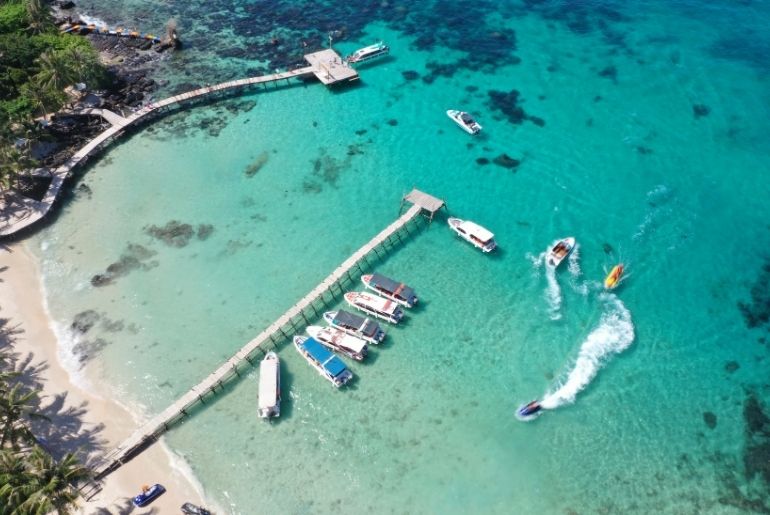
Beyond nature, Phu Quoc tells its story through its craft traditions. Its fish sauce factories (nước mắm) are iconic, not exactly glamorous, but deeply cultural. Pepper plantations stretch across the countryside, producing peppercorns famous across Vietnam. And the island’s nickname isn’t random; pearl farms still cultivate and harvest pearls using techniques passed down through generations.
If you’re travelling with family or want a “one big fun day,” VinWonders (theme park) and Vinpearl Safari are popular. But the one experience almost everyone recommends is the Hon Thom cable car, one of the longest overseas cable car routes on earth. Gliding over the ocean while speedboats ripple below feels surreal.
Evenings are iconic if you choose the Duong Dong night market. With grilled seafood, coconut ice cream, souvenirs, and pepper-infused chocolates, everything smells smoky and salty in the best way.
Where to Stay: Phu Quoc
Choosing a hotel is easy, but choosing the right part of the island matters more.
If you want convenience and movement, Long Beach and Duong Dong are perfect. Everything from food, spas, shops and snorkelling tours is walkable or a short Grab ride away.
If you crave peace but still like having cafés and restaurants nearby, Ong Lang finds the sweet spot with boutique resorts, pretty sunsets and fewer crowds.
Travellers who want a resort bubble, with immaculate beaches, private villas, infinity pools, and on-site restaurants, usually settle in the south near Sao or Khem Beach or An Thoi.
And then there are those who escape to the northern shoreline, where eco-lodges and jungle-framed beaches invite a slower rhythm.
Let’s Talk Money: Budget For Phu Quoc?
The biggest variable is flights! Round-trip fares from India fluctuate based on travel season but typically sit between ₹24,000 and ₹50,000, depending on layovers and booking timing.
Accommodation ranges widely, and that’s the beauty of Phu Quoc. Budget travellers can find rooms around ₹800-₹1500 per night, usually near Long Beach or in town. Mid-range travellers with an eye for comfort should expect ₹2,000-₹4,000 per night. Resorts easily go into the ₹6,000-₹15,000+ range, especially along Khem/Sao Beach or private bays.
Food can be wonderfully affordable. A bowl of noodles or fresh spring rolls may cost around ₹150-₹300, while seafood dinners and beachfront restaurants go higher depending on mood, but not necessity.
Getting around is simple: rent a scooter for ₹400-₹600/day, or rely on Grab taxis, which are cheap and reliable.
Activities such as snorkelling trips, cable car rides, or park entries usually fall between ₹2,000 and ₹3,500 per person.
After everything from flights, stay, meals, getting around, and activities, a 5-day trip typically lands in these ranges:
- Budget traveller: ₹40,000-₹55,000
- Mid-range traveller: ₹55,000-₹80,000
- Upscale escape: ₹1 lakh+ if you’re unapologetically into luxe
Phu Quoc feels most magical from November to April, when the skies are blue, and the sea is calm. May, June, and October sit in a pleasant shoulder season with fewer crowds and occasional showers. July to September brings heavy monsoon spells, and sometimes boat trips pause. But even then, the island remains serene in its rainforest mood.
Also Read: 16 New Menus In India This October, Featuring Thai Street Food, Vietnamese Bowls, And More!
It’s not a place where you check things off a list; it’s where mornings stretch slower, evenings glow longer, and you leave feeling lighter. The best memories here tend to be small ones: a perfect sunset, a gentle wave or a bowl of fresh seafood eaten with sandy feet. If you go, let the island set the pace.
Cover Image Courtesy: quangnguyenvinh/CanvaPro
For more such snackable content, interesting discoveries and the latest updates on food, travel and experiences in your city, download the Curly Tales App. Download HERE. First Published: December 05, 2025 10:28 AM