
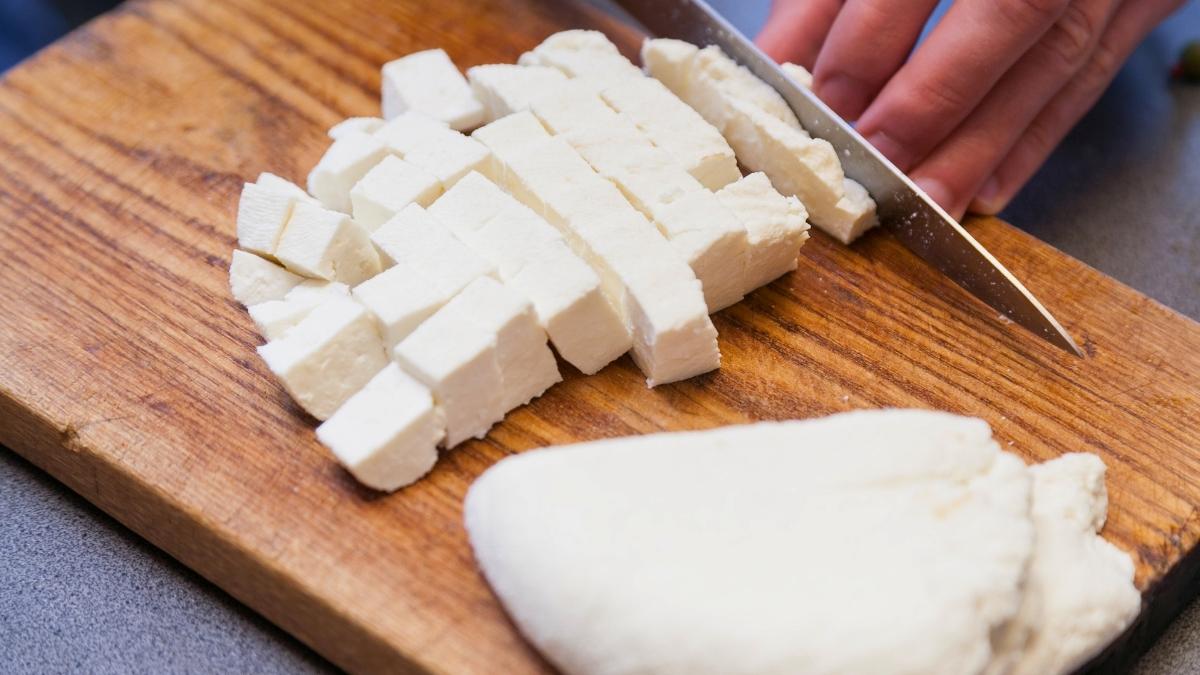



Paneer lovers, there’s a change coming to what can officially be called “paneer” in India. The Food Safety and Standards Authority of India (FSSAI) has proposed restricting the use of the term ‘paneer’ for analogue or non-dairy products, in a move aimed at ensuring that consumers know exactly what they are eating. Scroll on to know more about this.
What Exactly Is Analogue Paneer?
Analogue paneer may look and cook much like the paneer we know, but it isn’t traditional dairy paneer. According to the FSSAI’s proposed regulations, these products are made using constituents that are not derived from milk. They can contain ingredients such as vegetable oils, vegetable fats and other non-dairy components in place of some or all of the dairy ingredients.
The problem, however, is not simply that a substitute exists. It is what happens when that substitute is sold or served to consumers as “paneer”, making it difficult to know what is actually on their plate.
According to The Times of India, under the draft amendment, products already licensed or registered under the ‘Analogue in Dairy Context’ category would have to stop using the word “paneer” in their product names, labels or marketing. The proposed regulation is specifically aimed at preventing consumers from being misled about the nature and composition of these products.
This means a non-dairy analogue could no longer simply be marketed as paneer. The proposed change would effectively reserve the term for products that meet the relevant dairy definition.
Also Read: AI System To Maintain Hygiene? FSSAI Tests AI Tool For Food Safety Violations On Online Platforms
Why Is FSSAI Planning To Ban ‘Paneer’ Labels?
The proposal comes after several states have already taken action against analogue paneer. Punjab, Karnataka, Maharashtra, Gujarat, Chhattisgarh, Madhya Pradesh, Himachal Pradesh and Uttarakhand are among the states that have imposed restrictions on analogue or non-dairy paneer.
The issue has also come under greater scrutiny following inspections and enforcement drives around the country. Analogue products have become popular in food businesses partly because they can be cheaper than traditional dairy products and can closely resemble them in appearance and texture.
The proposed rules aren’t just relevant to packaged products. Hotels, restaurants and catering businesses that use analogue paneer or cheese substitutes would also have to ensure that consumers are clearly informed about what they are being served. FSSAI has proposed prominent disclosure at consumer touchpoints such as menu cards and packaging labels.
For now, this is a proposed amendment, not a rule that has already come into force nationwide. FSSAI has invited objections and suggestions from stakeholders, with a 60-day period following publication of the draft regulations.
Also Read: FSSAI Proposes Nutrition Tables Instead Of Warning Labels On Packaged Food; What It Means?
If this comes to effect, that paneer tikka, shahi paneer or paneer butter masala on your menu may need clearer information if the ingredient being used is an analogue rather than traditional dairy paneer.
Cover Image Courtesy: Canva Pro/liubomirt (representative image)
FAQs
What has FSSAI proposed about paneer?
FSSAI has proposed restricting non-dairy analogue products from using the term “paneer” on their labels, names or marketing.
What is analogue paneer?
Analogue paneer is a substitute that resembles paneer but is made partly or entirely with non-dairy ingredients, such as vegetable fats or oils.
Will non-dairy paneer be banned in India?
No, the proposal is focused on how these products are labelled and marketed, rather than banning the products themselves.


