

Some people remember a destination by its skyline, but others remember it by a single cup of chai. Those are the desi-at-heart ones! Every region in India has claimed chai as its own, tweaking recipes with local ingredients, climate and centuries of tradition. That’s why a cup in Srinagar tastes nothing like one in Hyderabad or Kozhikode. If your travel plans are made around local food instead of tourist checklists, here’s one trail worth following, one steaming cup at a time.
From Kahwa To Irani Chai: India’s Ultimate Tea Trail For Travellers
1. Kashmiri Kahwa, Jammu & Kashmir
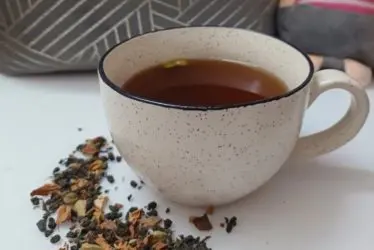
Kahwa slowly wins you over! Brewed in a traditional copper samovar, this fragrant green tea is infused with saffron, cinnamon, cardamom and cloves before being topped with crushed almonds or walnuts. Without milk weighing it down, every spice gets its moment, and you’ll be glad it does.
For centuries, Kahwa has been intricated in Kashmiri hospitality, especially during the valley’s freezing winters. Whether you’re floating across Dal Lake in a shikara or wandering Srinagar’s old bazaars wrapped in a pheran, someone will almost certainly hand you a warm cup. It feels less like a drink and more like Kashmir’s way of saying, “Stay a little longer.”
Also Read: From Sakura Mochi To Noon Chai, 10 Pink Foods Around The World That Belong On Pinterest!
2. Noon Chai, Jammu & Kashmir
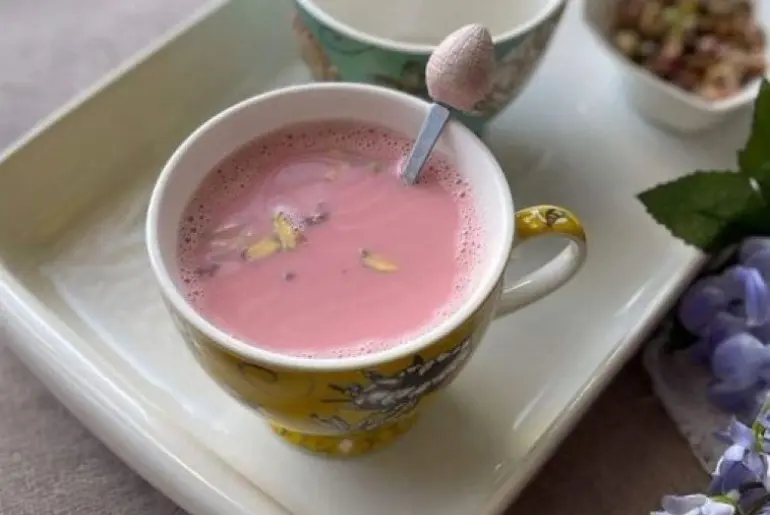
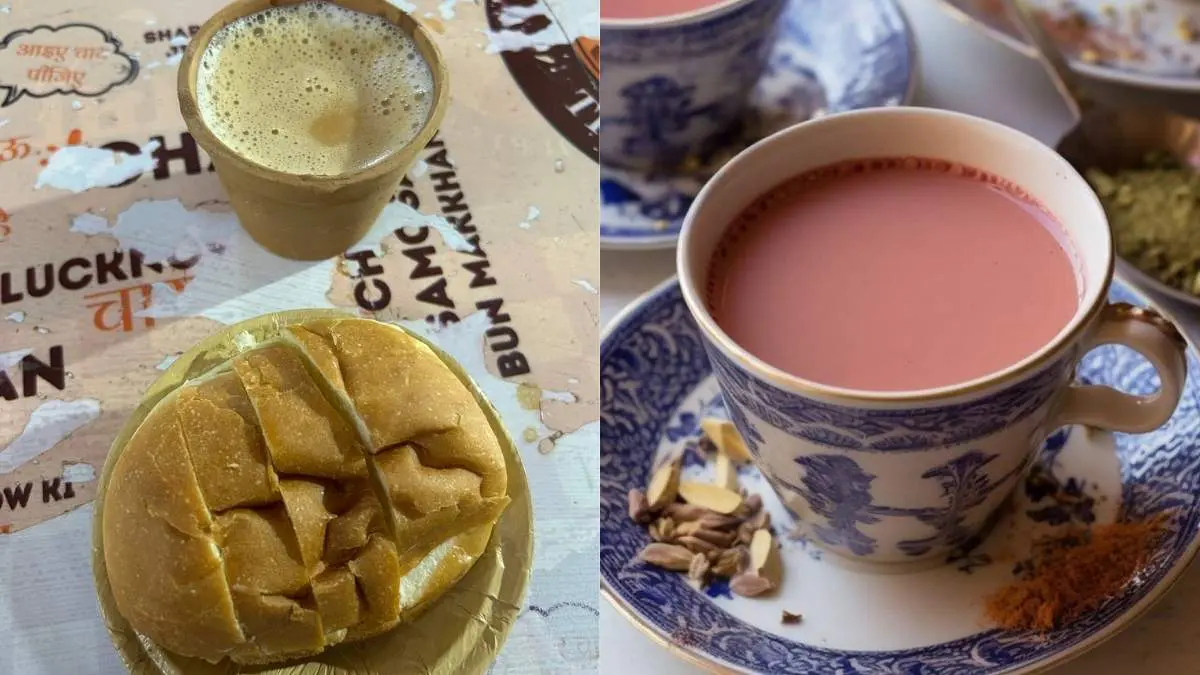
The first thing you’ll notice is the colour. It is a soft pink, for heaven’s sake. The second is the surprise. Despite looking like a dessert drink, Noon Chai is very savoury.
Made by slowly brewing green tea leaves with baking soda before adding milk and salt, this iconic Kashmiri tea gets its blush naturally through the cooking process. Locals usually pair it with traditional breads like girda or kulcha, creating a breakfast that’s hearty, comforting and unlike anything you’ll find elsewhere in India.
3. Darjeeling Tea, West Bengal
There’s a reason Darjeeling Tea earned the nickname “Champagne of Teas.” Grown on misty Himalayan slopes between 2,000 and 7,000 feet, the leaves produce a delicate brew celebrated for its floral aroma and signature muscatel flavour.
But Darjeeling is as much about the journey as the tea itself. Wander through rolling plantations, visit heritage estates where leaves are still hand-plucked, learn how they’re processed and hop aboard the UNESCO-listed Darjeeling Himalayan Railway.
Also Read: 10 Indian Streets So Pretty They Deserve Their Own Pinterest Board
4. Assam Tea, Assam
Subtlety is not really Assam’s thing. Its tea is malty and full-bodied, producing the deep amber brew that forms the backbone of countless cups of masala chai across India. The strong flavour stands up beautifully to milk, ginger and warming spices. Beyond the cup, Assam offers one of the country’s richest tea tourism experiences. Heritage tea bungalows, sprawling estates stretching to the horizon and factory tours reveal the journey from freshly plucked leaf to finished brew.
5. Kangra Tea, Himachal Pradesh
Hidden between the mountains of Himachal Pradesh lies one of India’s best-kept tea secrets. Kangra Tea, recognised with a Geographical Indication (GI) tag, is prized for its floral aroma, smooth finish and refreshing character shaped by the valley’s cool Himalayan climate.
Also Read: Beyond Manali: 8 Underrated Himachali Escapes That Still Feel Raw And Untouched
6. Sulaimani Chai, Kerala
If you’ve always believed tea needs milk, Kerala’s Sulaimani Chai might change your mind. This clear black tea is brewed with fragrant spices like cardamom and cloves before a squeeze of fresh lemon lifts the entire drink. Light, citrusy and oh-so-refreshing, it’s traditionally served after rich Malabar meals.
The tea traces its roots to Kerala’s Mappila Muslim community, reflecting centuries of trade and cultural exchange along the spice coast.
7. Irani Chai, Hyderabad
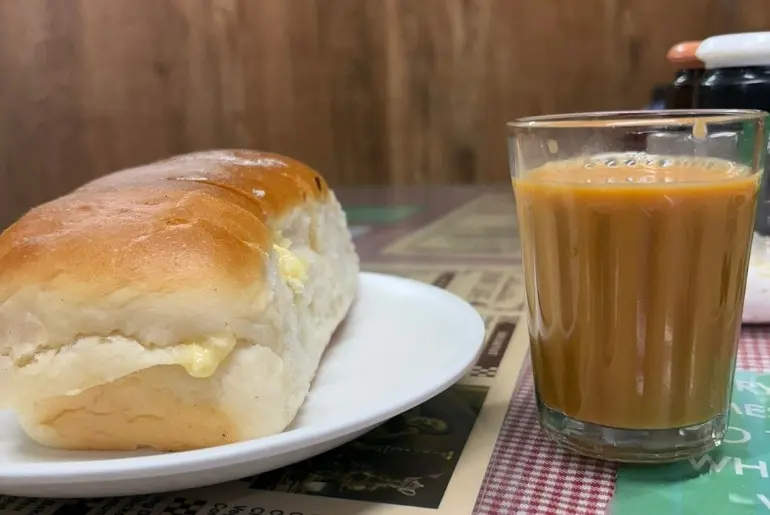
Hyderabad’s Irani cafés have witnessed friendships begin, business deals unfold and countless evening debates, all over tiny cups of Irani Chai.
Introduced by Persian immigrants, this tea is slow-brewed until it develops its signature creamy texture and rich flavour. The classic pairing is a buttery Osmania biscuit that practically demands to be dunked before every bite!
Is that a match made in heaven? More like a match made in the kitchen!
Also Read: 8 Cities In India You Should Visit ONLY For Their Biryani
8. Lebu Cha, Kolkata
Kolkata proves that extraordinary tea doesn’t always require an elaborate recipe. Lebu Cha combines black tea with fresh lime juice and a pinch of black salt, creating a bright, tangy drink that cuts effortlessly through the city’s humid weather.
It’s the unofficial companion to Kolkata’s legendary adda sessions. Grab a cup outside College Street’s iconic bookshops or from a bustling roadside stall after an evening snack, and you’ll quickly see why locals rarely stop at just one.
Also Read: 5 Best Herbal Teas For Stress And Anxiety Relief
So, which of these different types of chai in India would you try first?
Cover Image Courtesy: ennreshi/X and pantrycar/X
For more such snackable content, interesting discoveries and the latest updates on food, travel and experiences in your city, download the Curly Tales App. Download HERE.FAQs
Which is the most famous regional tea in India?
Darjeeling Tea and Assam Tea are India's most globally recognised regional teas, both celebrated for their distinctive flavours and tea-growing heritage.
What is Kashmiri Kahwa made of?
Kashmiri Kahwa is traditionally brewed using green tea leaves, saffron, cardamom, cinnamon, cloves and topped with almonds or walnuts.
Why is Noon Chai pink?
Noon Chai gets its natural pink colour from brewing green tea leaves with baking soda before adding milk, creating a unique chemical reaction.
What is Sulaimani Chai?
Sulaimani Chai is a traditional black tea from Kerala's Malabar region made with spices and lemon, typically served after rich meals.


