

A diplomatic breakthrough called the Iran US peace deal has triggered a wave of optimism across the travel industry worldwide, sending airline and tourism stocks soaring and raising hopes of smoother global travel in the months ahead.
How The US-Iran Agreement Can Revive Global Travel &Tourism
On June 15, shares of major Indian aviation and travel companies surged after reports emerged that Washington and Tehran had reached an initial agreement to end hostilities and restore shipping access through the Strait of Hormuz, one of the world’s most strategically important waterways.
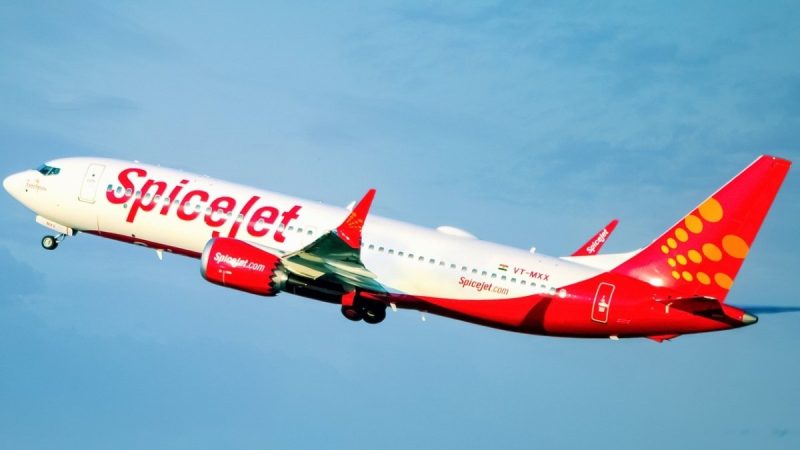
According to The Economic Times, the market responded instantly. InterGlobe Aviation, the parent company of IndiGo, climbed about 4.5% during trading, while SpiceJet jumped more than 7%. Online travel platforms ixigo and Easy Trip Planners also recorded gains as investors anticipated a more stable operating environment for airlines and stronger travel demand.
The excitement goes far beyond stock markets.
For airlines, the Strait of Hormuz is far more than a geopolitical flashpoint. The narrow passage between the Persian Gulf and the Gulf of Oman handles roughly 20% of global oil shipments.
Over recent months, escalating tensions in the region have forced airlines worldwide to navigate uncertainty. Flight rerouting, cancellations and higher fuel bills became increasingly common as carriers adjusted operations to manage risks associated with the conflict.
Also Read: Kerala Private Bus Owner Announces Free Bus Rides For Men Amid State Free Bus Travel For Women
From Oil Prices to Airfares: How The US-Iran Deal Impacts Travellers
According to The Economic Times report, the impact was visible in India as well. IndiGo temporarily suspended flights to and from several Middle Eastern destinations during the conflict. The airline had also announced the suspension of services to Langkawi, Krabi, Ho Chi Minh City, Hong Kong and Shanghai from July 1, 2026, while flights to Siem Reap were scheduled to be paused from July 3 through September 30.
The proposed agreement could help modify some of those pressures.
As reported by Reuters, US President Donald Trump announced that an agreement had been reached with Iran and indicated that maritime traffic would once again be allowed to move through the Strait of Hormuz. Reuters reported that Trump stated vessels would be able to pass through the waterway “toll free” and that restrictions affecting Iranian ports would be lifted as part of the broader arrangement.
Iranian officials have also signalled progress. According to Reuters, Iran’s semi-official Mehr News Agency reported that the draft agreement includes provisions to reopen the Strait of Hormuz within 30 days. Iranian Deputy Foreign Minister Kazem Gharibabadi reportedly said discussions on a broader settlement would continue during a proposed 60-day ceasefire period.
All You Need To Know: Iran US Peace Deal
Multiple reports indicate that the United States and Iran are expected to sign a memorandum of understanding in Switzerland later this week, potentially formalising the first stage of the peace framework.
Now, with shipping routes expected to reopen, global markets are pricing in the possibility of greater energy stability. Brent crude prices declined following the announcement, easing concerns about fuel costs that have weighed heavily on airlines since the conflict began.
For travellers, lower fuel costs often translate into a more favourable environment for airlines to restore schedules, improve connectivity and contain airfare increases. While ticket prices are influenced by multiple factors, aviation analysts have long viewed fuel as one of the industry’s most significant expenses, accounting for as much as 30-40% of an airline’s operating costs.
Also Read: 12 World’s Most Beautiful Currency Notes Worth Keeping As Travel Souvenirs
For airlines, travel companies and millions of passengers planning their next trip, that may prove just as valuable as the peace deal itself.
Cover Image Courtesy: picasa/Wikipedia
FAQs
Why did airline stocks rise after the US-Iran agreement?
Airline stocks rose because investors expect lower fuel costs, fewer flight disruptions, and improved travel demand if tensions in the Middle East ease.
How does the Strait of Hormuz affect global travel?
The Strait of Hormuz carries around 20% of the world's oil supply. Any disruption can increase fuel prices, directly impacting airline operating costs and ticket prices.
What does the US-Iran agreement mean for travellers?
Travellers could benefit from improved flight connectivity, fewer disruptions, potentially lower airfares and increased confidence in international travel.