


Railway Stations in India have a story (a beautiful and epic one) of their own! They have witnessed history, survived wars, welcomed royalty, appeared in Bollywood films and continue to handle millions of passengers every year without losing their character. Some are over a century old and wear their age with pride. Others are modern architectural marvels proving that public infrastructure can be beautiful too. If you’re someone who enjoys discovering hidden details while travelling, these seven railway stations deserve a spot on your itinerary.
India’s Railway Stations That Are More Than Just Transit Hubs
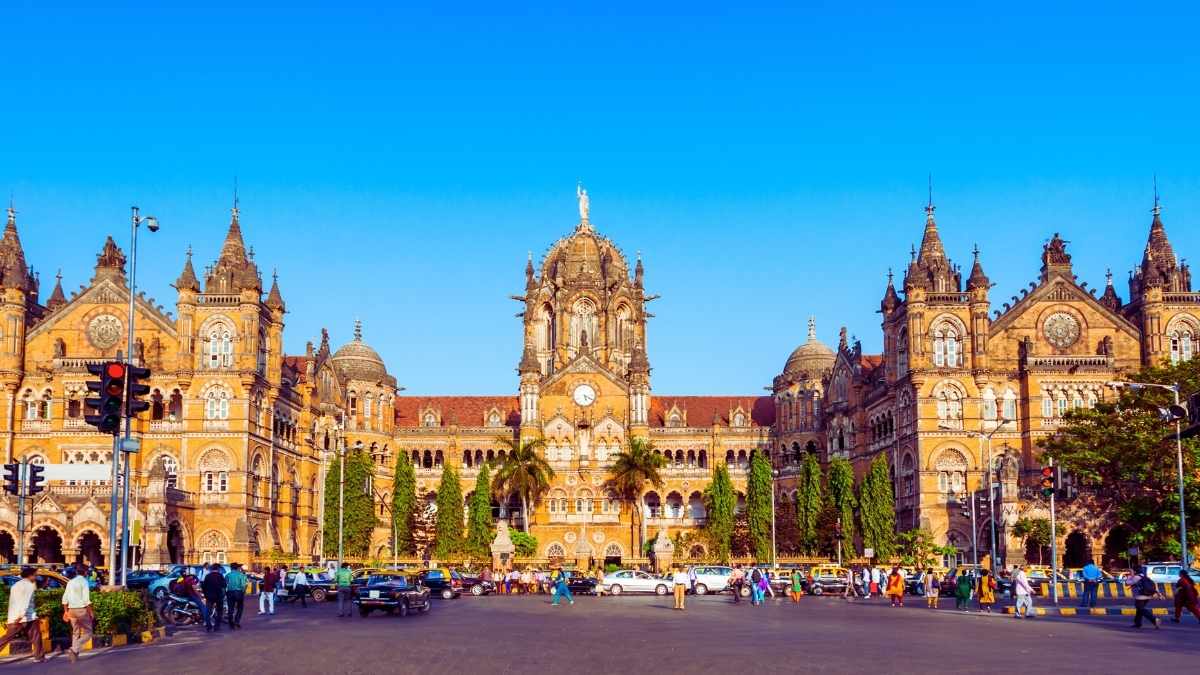
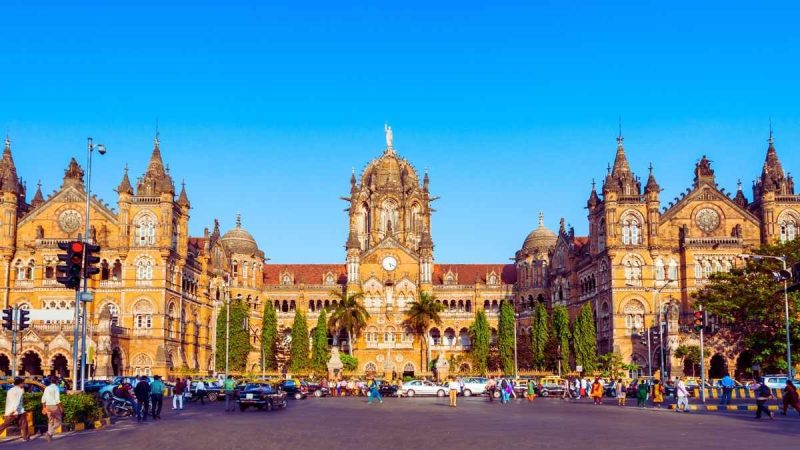
1. Chhatrapati Shivaji Maharaj Terminus, Mumbai

There are heritage buildings, and then there is Chhatrapati Shivaji Maharaj Terminus. You don’t simply walk past it. You stop. You look up. Then you realise the building is far more detailed than you noticed a few seconds ago.
Completed in 1888 to commemorate Queen Victoria’s Golden Jubilee, the station was designed by British architect Frederick William Stevens. Today, it is recognised as a UNESCO World Heritage Site, and for good reason. It blends Victorian Gothic Revival architecture with traditional Indian craftsmanship so seamlessly that every angle tells a different story.
Also Read: Indian Railways Updates Passenger Rules: 8 Violations That Can Now Cost You Dearly
2. Charbagh Railway Station, Lucknow
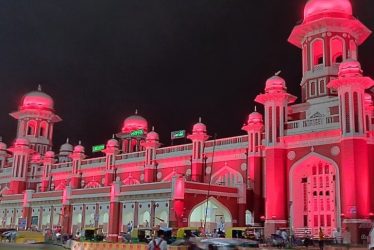
If someone showed you a photograph of Charbagh Railway Station without any context, you’d probably assume it was a royal palace or an old government building. Opened in 1923, Charbagh is one of Lucknow’s architectural treasures. The station beautifully combines Mughal, Rajput and Awadhi styles, reflecting the city’s royal heritage. Its oh-so-striking red-and-cream exterior, onion-shaped domes, elegant minarets and symmetrical arches instantly grab your attention.
The name “Charbagh” itself comes from the Persian concept of a four-part garden. Before the station was built, the area was filled with beautifully planned gardens, and the name has remained ever since.
3. Chennai Central, Tamil Nadu
There are few skylines in India where a railway station is the tallest and most recognisable landmark. Chennai Central is one of them!
Built in 1873 and later expanded by architect Robert Chisholm, the station is a fine example of Gothic Revival architecture with touches of Indo-Saracenic design that became popular across British India. Its iconic red-brick exterior has remained one of Chennai’s defining images for over 150 years.
The station has also quietly become part of Indian pop culture. It has appeared in countless Tamil, Telugu and Hindi films, making it instantly recognisable even to people who have never travelled through Chennai.
Also Read: 7 Legendary Railway Stations In India Every Food-Loving Traveller Needs To Visit
4. Ghum Railway Station, West Bengal
Some railway stations impress because they are enormous, but Ghum, no no, it does the exact opposite.
Located at an altitude of around 2,258 metres above sea level, Ghum is India’s highest railway station and an integral stop on the Darjeeling Himalayan Railway, another UNESCO World Heritage treasure.
The station itself is wonderfully modest. A small cream-and-blue building, a vintage nameboard and a narrow platform are all you’ll find. Yet the setting transforms it into something magical.
Clouds drift across the tracks without warning, and the famous Toy Train whistles through thick Himalayan mist before disappearing around impossibly sharp bends.
5. Cuttack Railway Station, Odisha
This one’s redesigned exterior pays tribute to Odisha’s rich architectural legacy by taking inspiration from the historic Barabati Fort. The architects didn’t simply decorate the building. They borrowed visual elements deeply rooted in Odisha’s history, ensuring the station reflects the identity of the city it serves.
At night, carefully planned lighting highlights every carved detail, making the facade look even more dramatic.
Also Read: Which Chocolate Dessert Are You, Based On Your Zodiac Sign? A World Chocolate Day Special
6. Jaisalmer Railway Station, Rajasthan

Built using the same warm yellow sandstone that gives Jaisalmer its nickname, “The Golden City”, the railway station blends effortlessly into its surroundings. Traditional jharokhas, carved pillars, sandstone walls and Rajasthani decorative motifs make it feel like a miniature extension of the famous Jaisalmer Fort.
When the early morning sun hits the building, the stone almost appears to glow. By sunset, it turns a deeper shade of gold, creating the kind of light photographers dream about.
7. Rani Kamalapati Railway Station, Bhopal
Not every beautiful railway station needs to be over a hundred years old. Rani Kamalapati Railway Station represents a very different chapter in Indian railway architecture.
Redeveloped as one of India’s most modern railway stations, it replaces ornate carvings with sleek glass facades, spacious waiting lounges, digital information systems and airport-style interiors. Named after the brave Gond queen Rani Kamalapati, the station reflects how India’s transport infrastructure is evolving.
Passengers often compare it to an airport, but that comparison doesn’t fully do it justice. Airports are expected to be modern, railway stations rarely are.
Also Read: Hate Flying? These 8 Scenic Train Journeys Across India Prove You’re Missing Absolutely Nothing
So, which of these Railway Stations in India appear most beautiful to you?
Cover Image Courtesy: andrey/Canva Pro
FAQs
Which is the most beautiful railway station in India?
Many travellers consider Chhatrapati Shivaji Maharaj Terminus in Mumbai to be India's most beautiful railway station due to its UNESCO World Heritage status and magnificent Victorian Gothic architecture.
Which is the highest railway station in India?
Ghum Railway Station in West Bengal is India's highest railway station, located at an elevation of approximately 2,258 metres above sea level on the Darjeeling Himalayan Railway.
Why is Charbagh Railway Station famous?
Charbagh Railway Station is known for its stunning blend of Mughal, Rajput and Awadhi architecture, featuring domes, arches, minarets and a striking red-and-cream façade.
Why is Jaisalmer Railway Station unique?
Built using the city's signature yellow sandstone, Jaisalmer Railway Station reflects the architectural style of the Golden City and resembles a miniature extension of Jaisalmer Fort.


