
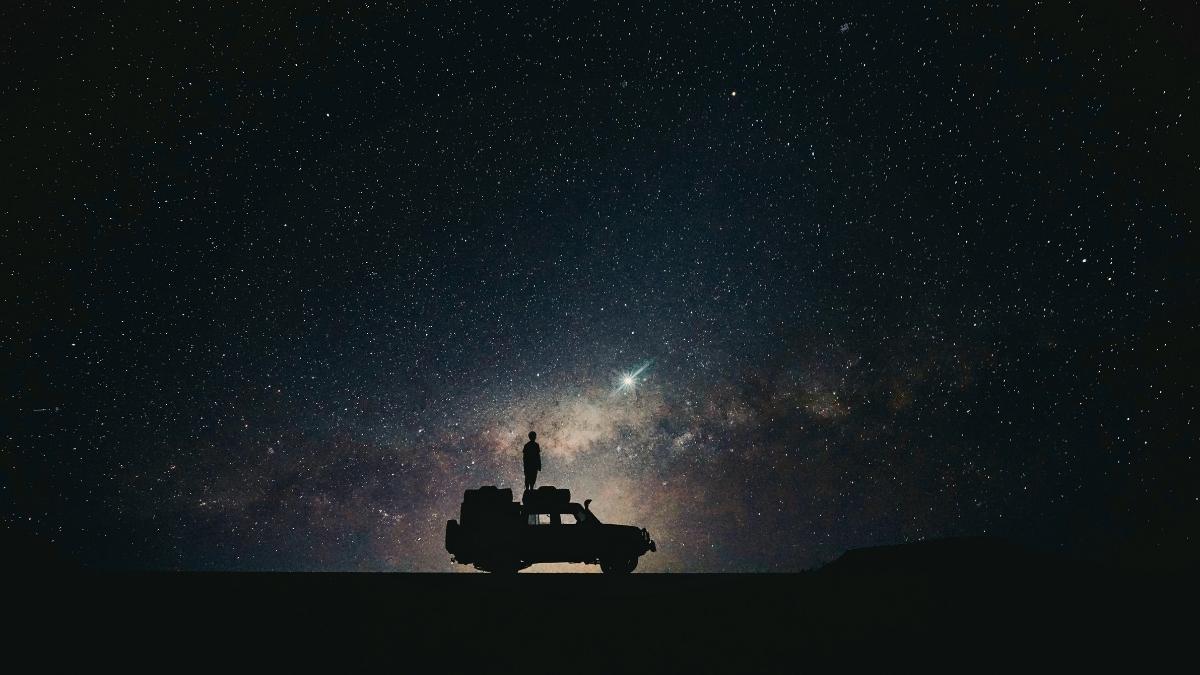


If you enjoy stargazing, spotting constellations, or learning more about astronomy, you’re in luck! The Maharashtra government has identified 11 locations across the state under its ‘Dark Sky’ policy to promote astro-tourism. Here’s everything you need to know about it.
Maharashtra Taps Into Astro-Tourism With 11 ‘Dark Sky’ Zones
According to Hindustan Times, the Maharashtra government has introduced a ‘Dark Sky’ policy to promote astro-tourism. Through this initiative, the state aims to encourage stargazing, astronomy education, and eco-tourism across 11 locations. The policy also focuses on reducing light pollution around these sites and developing necessary infrastructure, especially since many of them are located in remote areas.
So far, the state has identified 11 ‘Dark Sky’ zones across Maharashtra, which are expected to form the backbone of its astro-tourism ecosystem. According to reports, the proposal has been prepared by the state tourism department. Through this initiative, the Maharashtra government aims to attract both domestic and international visitors interested in celestial experiences.
Also Read: From Astro To Wellness Tourism: What Exciting Activities Will Rise In India’s Union Territories?
Here’s All You Need To Know About This
Recognising that astro-tourism is still a niche segment in India, and that Maharashtra holds a geographical advantage, the state’s tourism department has shifted gears and is now focussing towards more experience-driven and knowledge-based travel.
In talks with Hindustan Times, Sanjay Khadare, principal secretary of the state tourism department, said that the 11 ‘Dark Sky’ zones have been identified across the Sahyadri ranges, near the Pench and Tadoba tiger reserves, Lonar Crater, Bhandardara, as well as in other forest belts and remote hinterlands with minimal artificial lighting, ensuring clear visibility of the night sky.
As part of the initiative, the Maharashtra government plans to develop both basic and advanced infrastructure, including observatories, telescope-equipped viewing stations, astronomy interpretation centres, and eco-friendly accommodation to enhance the overall astro-tourism experience.
Visitors can also look forward to curated activities such as guided stargazing sessions, meteor shower viewings, and night-sky photography workshops.
Also Read: Asha Bhosle’s Musical Legacy Lives On As Maharashtra Announces Institute In Her Honour
Are you excited to see how this initiative by the Maharashtra government unfolds? We certainly are.
Cover Image Courtesy: Canva Pro/Stoica Adrian’s Images (representative image)
For more such snackable content, interesting discoveries and the latest updates on food, travel and experiences in your city, download the Curly Tales App. Download HERE.FAQs
What are ‘Dark Sky’ zones in Maharashtra?
‘Dark Sky’ zones are areas with minimal light pollution, offering clear views of the night sky—ideal for stargazing, astronomy activities, and astrophotography.
How many ‘Dark Sky’ zones have been identified in Maharashtra?
The Maharashtra government has identified 11 locations across the state under its ‘Dark Sky’ policy.
Why is Maharashtra promoting astro-tourism?
The state aims to tap into niche tourism by promoting stargazing, astronomy education, and eco-tourism, while leveraging its geographical advantages.
Where are these ‘Dark Sky’ zones located in Maharashtra?
They are spread across the Sahyadri ranges, near Pench and Tadoba tiger reserves, Lonar Crater, Bhandardara, and other remote forest and hinterland regions with low artificial lighting.


