
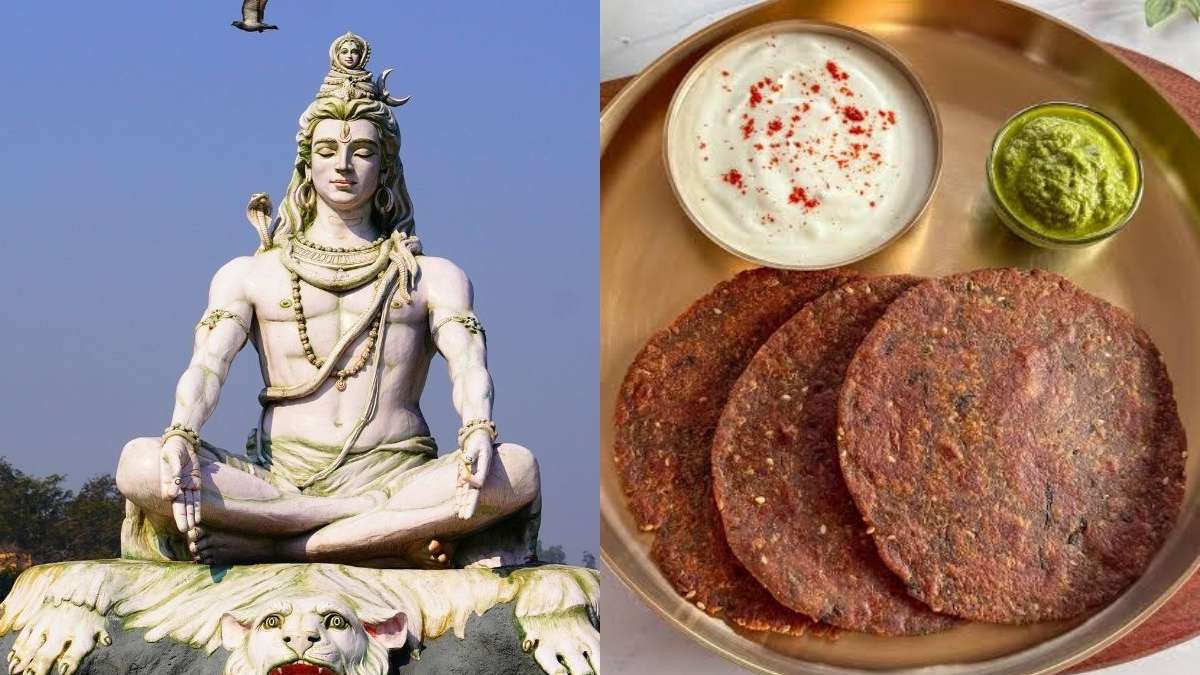

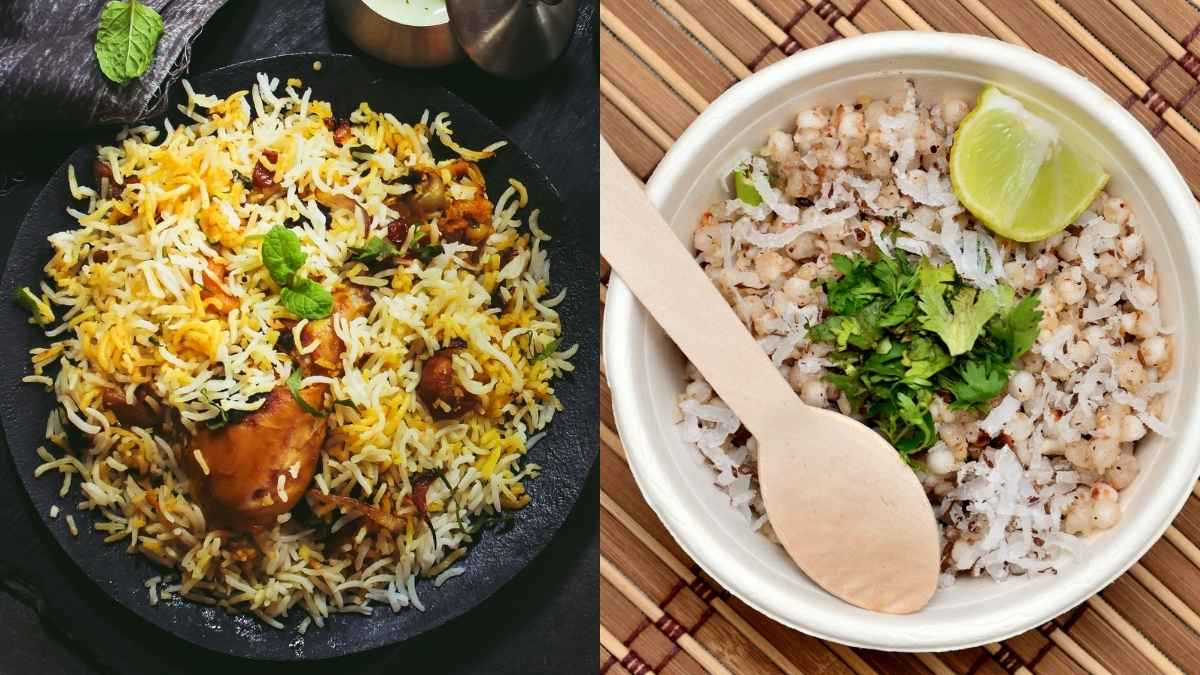

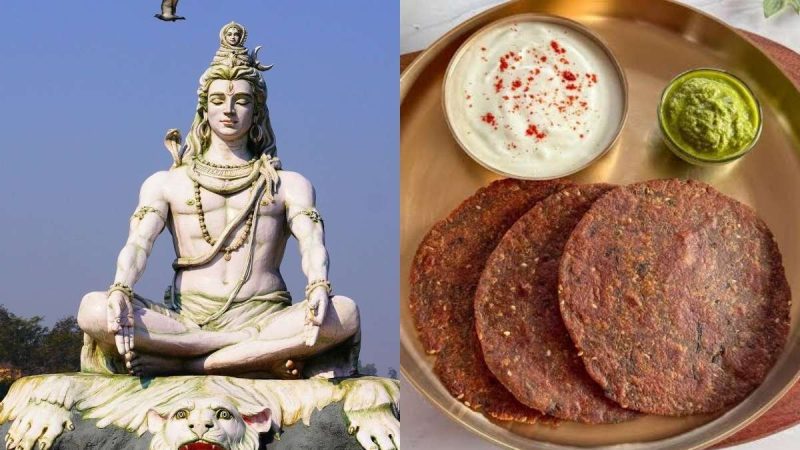
If you’ve ever spent Maha Shivratri in a household that observes the fast seriously, you’ll notice something curious. The kitchen feels quieter, with no pressure cookers screaming and no heavy masalas hitting hot oil. Meals, if they happen at all, are simple and almost restrained. This isn’t accidental, Shivratri’s food rules are shaped by centuries of belief, bodily observation, and a very deliberate idea of what the day is meant to feel like. This is not a festival of indulgence. It’s a night of staying awake, sitting with your thoughts, chanting, and letting discomfort exist without rushing to fix it. Food, naturally, becomes part of that discipline.
Maha Shivratri 2026: The Spiritual Meaning Behind Food Restrictions
Shivratri is associated with stillness rather than celebration. Unlike festivals marked by abundance, this one asks devotees to slow the body so the mind can stay alert. In yogic thinking, what you eat directly affects how you think, how restless you feel, and how easily you can sit with silence.
The idea is not to punish the body but to reduce noise: digestive, mental and emotional. Heavy or stimulating foods pull attention outward. Lighter, simpler foods allow attention to turn inward. That shift is the real purpose of fasting on Shivratri.
Foods That Are Avoided On Maha Shivratri (And Why)
1. Grains and Cereals
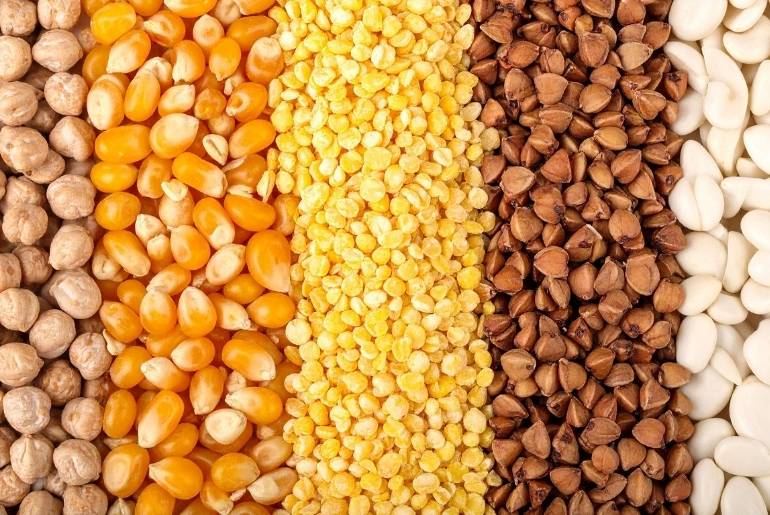
Rice, wheat, dals, and pulses disappear from the plate on Shivratri. These foods are nourishing, yes, but they are also dense and grounding. Digesting them demands energy, and on a night meant for wakefulness and meditation, that energy is better conserved.
Traditionally, grains are also associated with routine life, daily meals, workdays, and sustenance. Removing them marks the day as different, separate from the ordinary rhythm.
Also Read: 10 OG Indian Breakfasts That Ruled Our Mornings Even Before Cereals Arrived
2. Regular Salt
Common table salt is skipped in favour of sendha namak. This isn’t just ritual purity talk. Rock salt is minimally processed and gentler on the system during fasting. More importantly, avoiding regular salt breaks habit. Even small disruptions, like food tasting slightly unfamiliar, serve as reminders that Shivratri isn’t business as usual.
3. Onion And Garlic
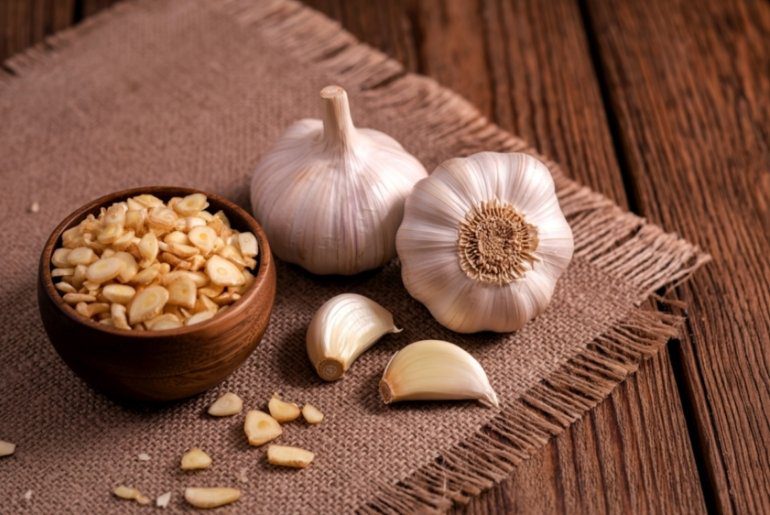
Onion and garlic are not “bad foods.” They’re simply too stimulating for this context. In traditional belief, they heighten restlessness, appetite, and emotional volatility. Shivratri, on the other hand, values calm over craving. Anyone who has tried sitting quietly after a spicy, garlic-heavy meal knows how distracting the body can become. The exclusion here is practical, not moral.
Also Read: Wait, What? Ramen Isn’t Japanese?! 8 Popular Japanese Foods With Surprising Origins
4. Non-Vegetarian Food And Alcohol
Meat, fish, eggs, and alcohol are universally avoided. Shivratri is rooted in restraint and non-violence, not just toward others, but toward the self. Intoxicants and heavy proteins push the body into excess: heaviness, heat and drowsiness. The fast is meant to sharpen awareness, not dull it.
5. Processed And Packaged Foods
This is where modern fasting often misses the point. Technically, vrat-friendly chips or sweets may follow the rules, but they clash with the spirit. Shivratri emphasises simplicity, not clever loopholes. Highly processed foods keep the body busy and the mind distracted, the opposite of what the night asks for.
What Foods Are Allowed On Maha Shivratri?
Despite the restrictions, Shivratri is not about deprivation. It’s about choosing foods that support alertness without too much eating.
1. Fruits And Dry Fruits
Fresh fruits form the backbone of most fasts. They’re hydrating, light, and naturally energising. Dry fruits, especially soaked almonds, raisins, and dates, provide slow, steady energy without overwhelming digestion. They keep hunger at bay while allowing the body to feel light.
2. Dairy Products
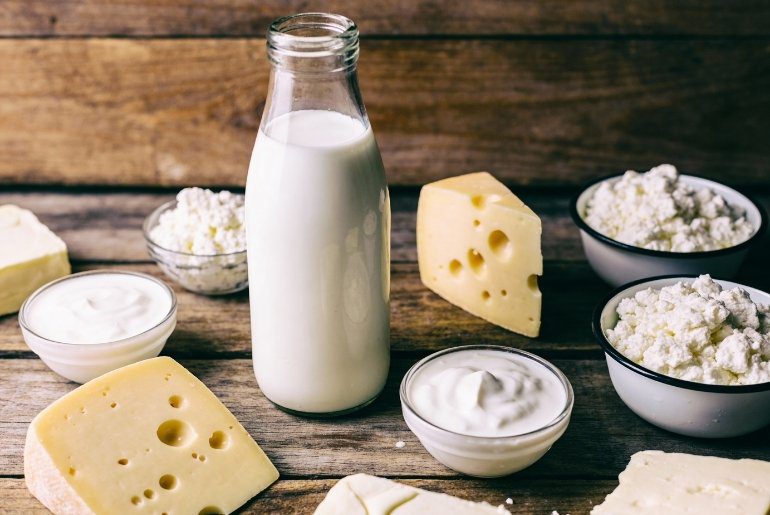
Milk holds special significance on Shivratri, both ritually and nutritionally. It’s offered during worship and later consumed as prasad. Curd, paneer, buttermilk, and ghee are also common. Dairy is calming. It steadies the stomach and soothes the system, useful when you’re staying awake through the night.
Also Read: Newly Vegan? Try These 5 Plant-Based Milk Alternatives For Your Morning Coffee
3. Vrat-Friendly Flours
Singhara, kuttu, and rajgira flours exist precisely because fasting has long been part of Indian culture. These are not everyday staples, which is why they’re allowed. They let people eat something warm and filling without returning to routine foods. They’re also surprisingly nutritious, high in minerals, fibre, and slow-burning carbohydrates.
Also Read: Rohini Vrat 2026: Significance, Date, Rituals & Everything You Need To Know About This Day
4. Vegetables Allowed During Fasting
Potatoes, sweet potatoes, pumpkin, arbi, cucumber, and raw banana are commonly used. These vegetables are grounding but not overly heavy. Cooked simply, with minimal spices, they offer comfort without lethargy.
5. Natural Sweeteners
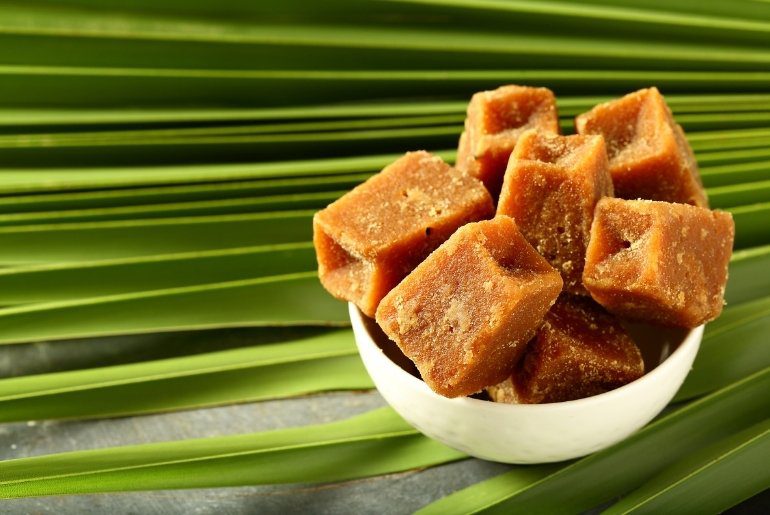
Refined sugar takes a backseat. Jaggery and honey are preferred because they’re less processed and easier on the body during fasting. Sweetness here is functional, not indulgent; it’s meant to sustain energy, not trigger cravings.
Also Read: National Tourism Day: 8 Street Foods Across India Worth Travelling For
Fasting As A Yogic Practice On Maha Shivratri
Shivratri fasting has never been one-size-fits-all. Some people fast completely, while others eat fruits. Some simply avoid grains and meat. The intention matters more than strict adherence.
In yogic traditions, fasting is viewed as a reset and a way to quiet physical demands so mental awareness can sharpen. If the body protests too loudly, the purpose is lost. Balance has always been the point.
The food rules of Shivratri aren’t arbitrary. They create a subtle shift with less stimulation, fewer choices and slower movement. That quiet is significant.
Also Read: Will Non-Hindus Be Allowed In Kedarnath And Badrinath Temples?
In a culture built around abundance, Shivratri quietly asks a different question: What happens when you consume less and stay present with yourself? Sometimes, the answer arrives not through prayer or chanting, but through an empty plate and a wakeful night.
Cover Image Courtesy: firefxstudio/canvapro and ashufindingflavours/canvapro
For more such snackable content, interesting discoveries and the latest updates on food, travel and experiences in your city, download the Curly Tales App. Download HERE. First Published: January 29, 2026 9:35 PM