


Some places don’t just show history; they make you feel alive in it. Warm walls, dusty lanes, quiet corners where time slows down a bit. Across the Middle East, these mudbrick cities have been standing for centuries. No glass towers or shortcuts. Just earth, sun, and stories that stuck around.
Here are a few that are still very much alive and worth the detour.
1. Misfat Al Abriyeen
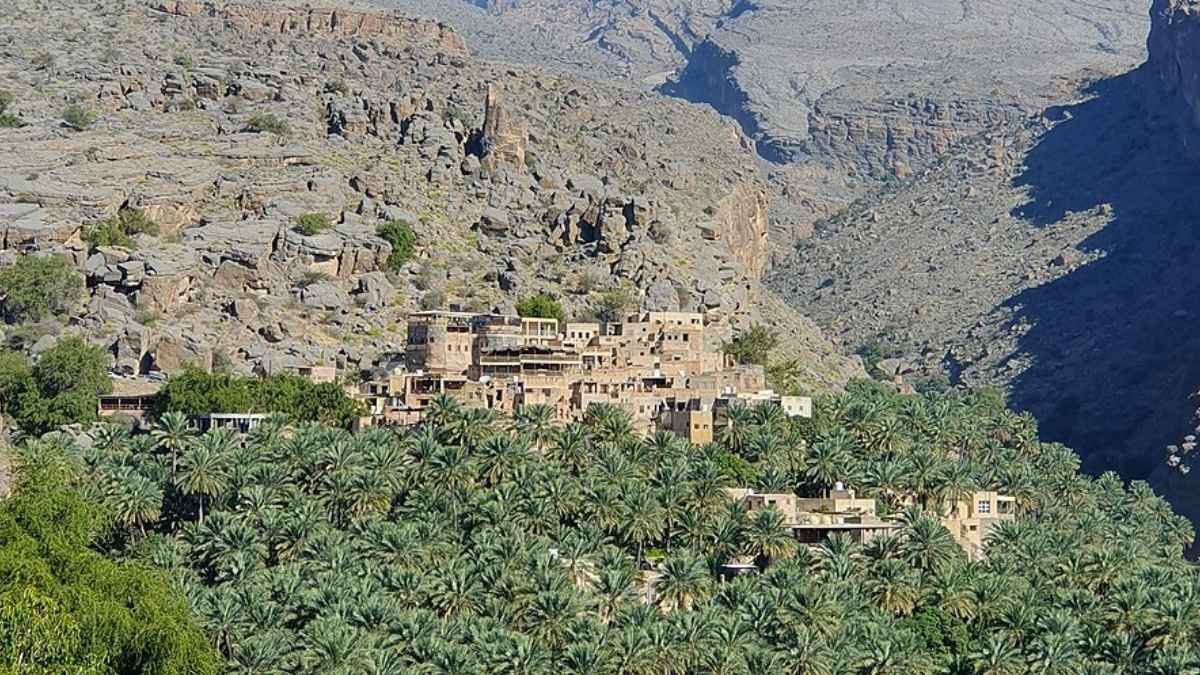
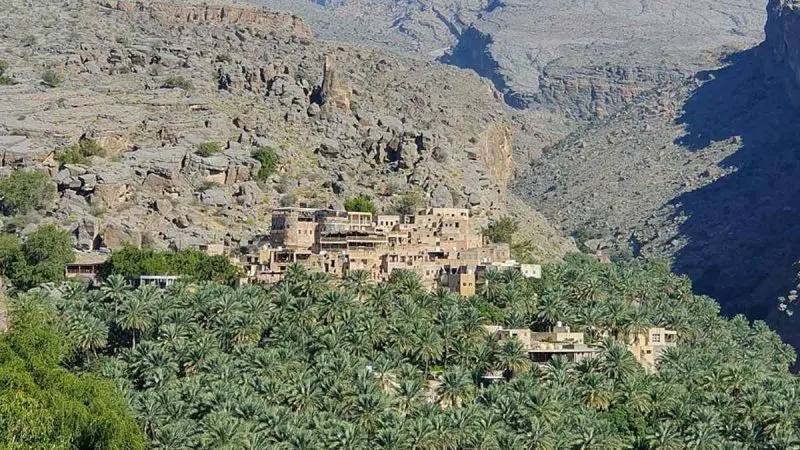
High up in Oman’s mountains, this 500-year-old village isn’t built for cars. You walk. That’s the deal.
Narrow paths, stone steps, and small homes turned into guesthouses. Also, fruit terraces everywhere: dates, bananas, even pomegranates. There’s an old irrigation system still doing its job quietly.
For many, it’s less about sightseeing and more about slowing down. You talk to locals, pick up honey or handmade mats, and just wander.
2. Aït Benhaddou
This ancient mudbrick village near Marrakesh has been around since the 11th century. Big walls, clustered homes, and that classic desert backdrop. It’s also a UNESCO site. But beyond the photos, it’s the layout that stands out. Everything is packed together inside a fortified space. It tells you how people lived, protected, and traded here centuries ago.
3. Shibam
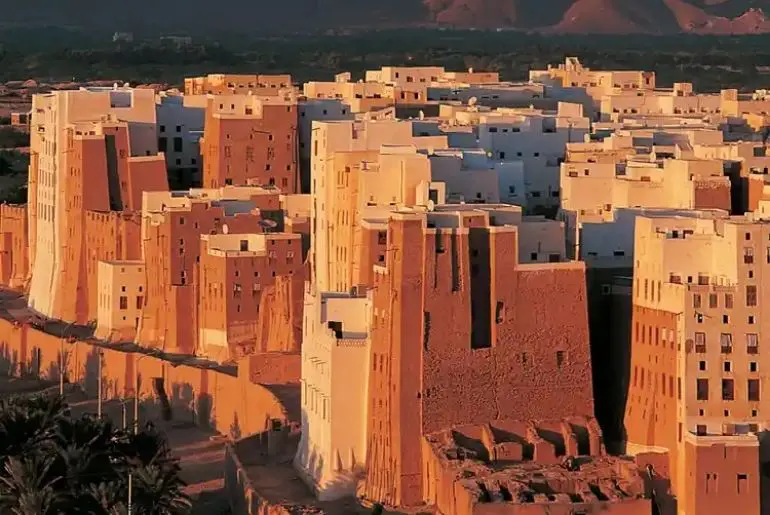
Often called the “Manhattan of the desert”, Shibam has tall mudbrick buildings, some up to 11 storeys. Built centuries ago in Yemen, it’s still standing. About 500 of them, all close together. It’s not just architecture. It’s survival, design, and history all stacked vertically as per the Scene Now.
4. Ushaiger
Once a stop for pilgrims heading to Mecca, Ushaiger is now a quiet village with mudbrick homes, palm groves, and a small museum built by locals themselves. Also, the community has played a big role in restoring it. So it’s not just preserved—it’s cared for. You can see that in the details.
5. Bahla Fort
There’s a story here that says this fort was built overnight, with help from djinn. True or not, the structure is massive. Over 700 years old, made mostly from mudbrick, and still standing strong. Inside, you’ll find homes and even a mosque. It’s about 200 km from Muscat. A bit of a drive, but worth it if you like places with a story.
Also Read: Egypt Listed Among Safest Middle East Destinations In Latest U.S. State Department Advisory
6. AlUla
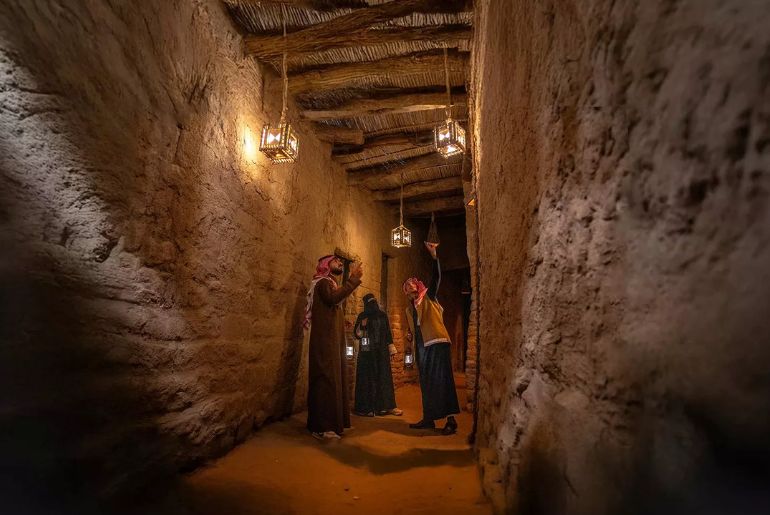
AlUla has layers. Ancient trade routes, thousands of years of history, and at the same time, modern stays, festivals, and curated experiences. Also, a lot of greenery for a desert region. Citrus trees, date palms, open landscapes. It’s one of those places where you can explore ruins in the morning and relax in a luxury stay by evening.
7. Siwa
Siwa feels far from everything. In a good way. There’s history here, like the Temple of Amun, where Alexander the Great is said to have visited. But also, there’s a softer side. Salt lakes where you float without trying. Dunes for a bit of adventure. And quiet nights are perfect for stargazing.
So if you ever feel like visiting spots that tell a tale or two about the history or culture of the Middle East, this should be on your must-visit list!
Cover Image Courtesy: Wikipedia/Broc
For more such snackable content, interesting discoveries and the latest updates on food, travel and experiences in your city, download the Curly Tales App. Download HERE.FAQs
Why were mudbricks used instead of stone or wood?
Because of the climate and limited availability of other materials.
What are mudbrick cities?
They’re settlements built using clay and natural materials, often found in dry desert regions.


