
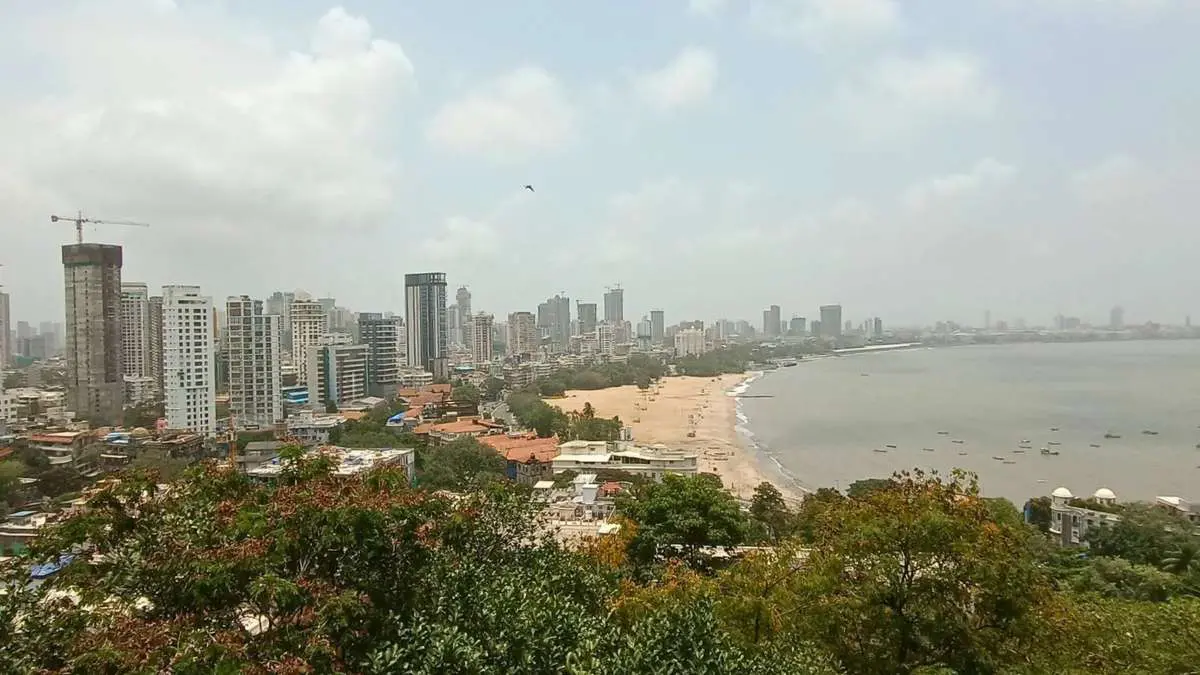



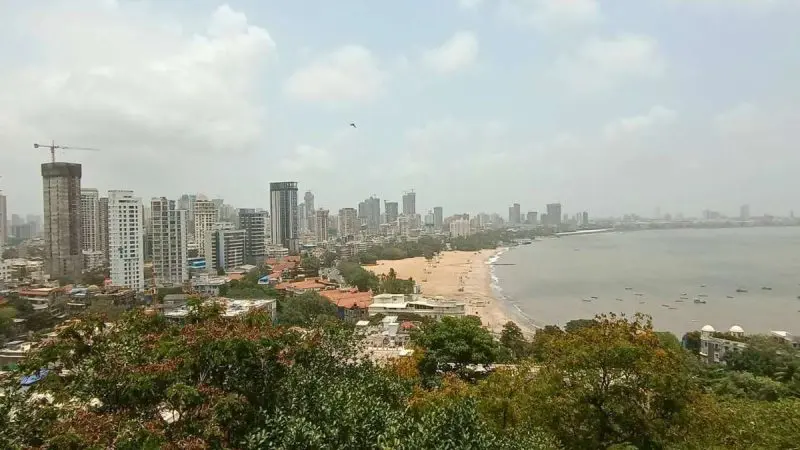
Mumbai’s Malabar Hill is known for its expensive homes, beautiful sea views and some of the city’s most prominent landmarks. From Raj Bhavan and the Hanging Gardens to the ancient Walkeshwar Temple, the neighbourhood has plenty of history attached to it. But did you know that its name is believed to have a connection with pirates from Kerala?
How Did Malabar Pirates Become Associated With Mumbai?
According to the Maharashtra government’s Mumbai Legacy Project, the area got its name from pirates who came from the Malabar coast in present-day Kerala and used the waters around the hill as a hiding place to attack trading vessels heading towards Bombay.
The pirates from the Malabar coast reportedly used the calm waters around the northern parts of Back Bay to wait for British fleets and trading ships. They would hide in the area before launching attacks on vessels passing through the waters.
Historical records suggest that Malabar pirates were active off the Bombay coast by 1668. Their attacks had become a serious concern for the British East India Company, which was trying to protect its trade routes.
The Mumbai Legacy Project’s heritage documentation on Raj Bhavan also mentions that Malabar Hill was named after pirates from the Malabar coast who waited for British fleets in the still waters of Back Bay.
According to Hindustan Times, the connection is also mentioned in Colonel John Biddulph’s book The Pirates of Malabar, published in 1907. The book documents the history of pirates operating along India’s western coastline.
Also Read: 8 Best Heritage Walks In Mumbai Every History Lover Should Experience!
What Was Malabar Hill Originally Called?
Before it came to be known as Malabar Hill, the area was called Shrigundi, which is believed to mean ‘Lucky Stone’.
According to the Mumbai Legacy Project, what is now known as Malabar Hill Point was earlier called Shrigundi. The name Malabar Point came from pirates from Dharmapatan, near Tellichery on the Malabar coast. Among those mentioned in historical accounts are pirates named Kotta and Porka.
Samuel T Sheppard’s 1917 book Bombay Place-Names and Street-Names also refers to the area’s original name. It reproduces an account from the Bombay Gazetteer, which notes that the neighbourhood around the Walkeshwar Temple was once a favourite haunt of Malabar pirates.
Also Read: A Temple In A Café? This Mumbai Spot Has Bhajans And Guilt-Free Bites
Today, Malabar Hill is far removed from its association with pirates and naval battles. It is known for its upscale residences, green spaces, heritage landmarks and views of Mumbai’s coastline. However, the story behind its name offers a glimpse into a time when the city’s waters were far from peaceful.
Cover Image Courtesy: X/@AmeyKulkarni_21
FAQs
Why is Mumbai's Malabar Hill called Malabar Hill?
Malabar Hill is believed to have been named after pirates from the Malabar coast of present-day Kerala, who used the area's waters as a hiding place to attack passing trading vessels.
What was Malabar Hill originally called?
The area was earlier known as Shrigundi, which is believed to mean 'Lucky Stone'.
What are some famous landmarks in Malabar Hill today?
Malabar Hill is home to prominent landmarks such as Raj Bhavan, the Hanging Gardens and Walkeshwar Temple. It is also known for its upscale residential properties and views of Mumbai's coastline.


