

India does not celebrate harvest ordinarily. When crops are cut, cooked, or stored, communities respond with fire, food, music, and ritual. These festivals came from a lived dependence on land, weather, and seasons. While many harvest festivals fall close together on the calendar, they differ sharply in tone, practice, and meaning. Some are loud and public; others unfold at home before sunrise. What follows is a grounded look at twelve harvest festivals across India, with verified 2026 dates, region-specific practices, and cultural context, without flattening them into sameness.
12 Harvest Festivals In India That Celebrate Crops
1. Pongal, Tamil Nadu
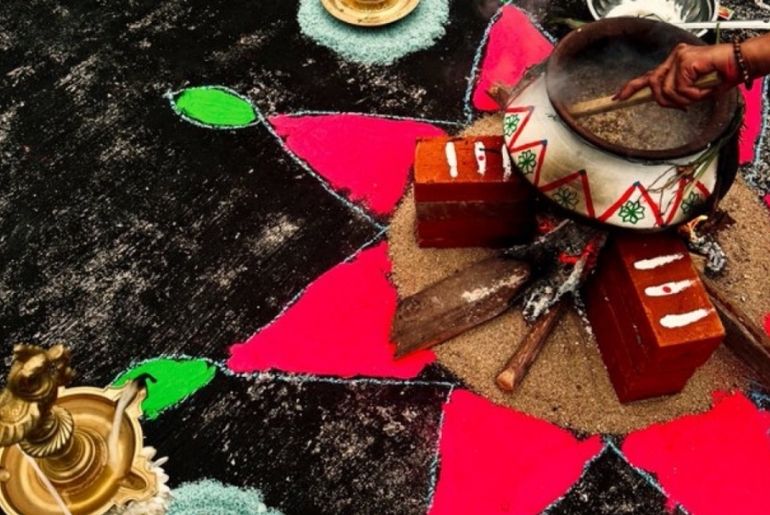
Pongal unfolds over four days and centres on one moment: rice boiling over in an earthen pot, watched closely by family members. The overflow is not accidental, it signals abundance. Houses are scrubbed clean, thresholds redrawn with kolams, and cattle are decorated and thanked on Mattu Pongal.
Dates (2026): January 14–17
Also Read: World’s Tallest Shivling At 33-Ft Is On Its 2100 Km Journey From Tamil Nadu To Bihar
2. Makar Sankranti, Pan-India
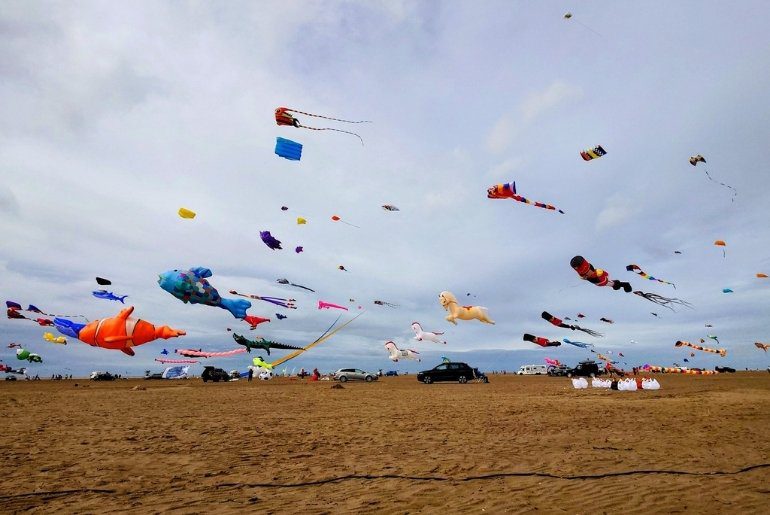
This is one of the few Indian festivals fixed by the solar calendar. The Sun’s northward movement is marked across regions in entirely different ways. In Maharashtra, tilgul sweets are exchanged, and in parts of North India, river bathing takes precedence. In farming belts, the day quietly acknowledges the transition from sowing to harvest.
Date (2026): January 14
3. Lohri, Punjab, Haryana, Delhi
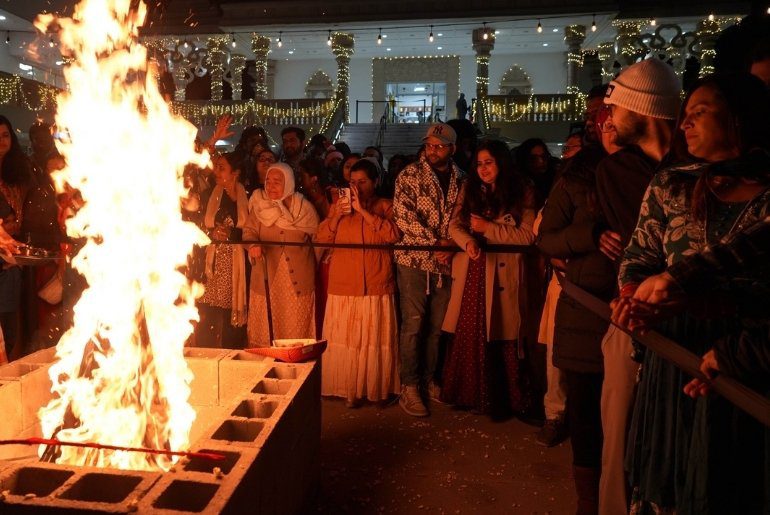
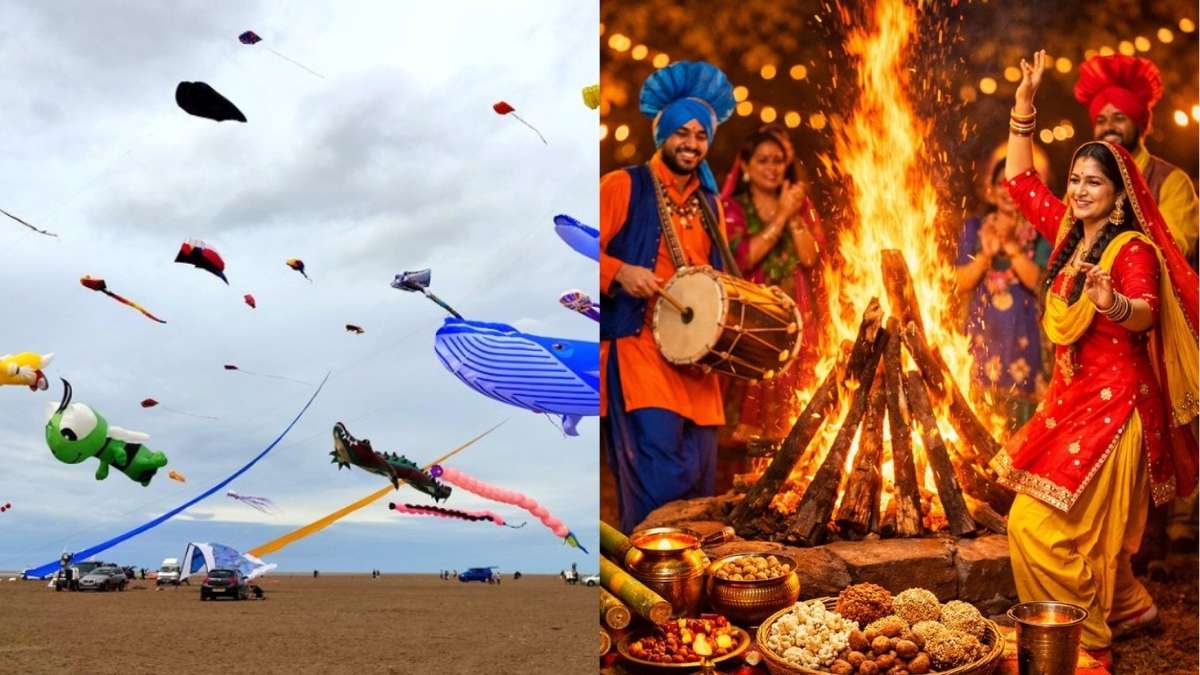
Lohri’s magic lies in the dark and chill of evenings. Bonfires are lit after sunset, and families gather around them singing traditional verses. Peanuts, puffed rice, and jaggery are tossed into the flames before being shared. For agrarian households, Lohri signals that winter is loosening its grip and the rabi crop has survived the cold.
Date (2026): January 13
4. Magh Bihu (Bhogali Bihu), Assam
Food dominates Magh Bihu. Temporary huts are built in open fields, meals are cooked collectively, and the structures are burnt the next morning. The act is deliberate, and a celebration is followed by release. This festival comes after the paddy harvest, when granaries are full, and labour briefly slows.
Date (2026): Around January 14–15
5. Uttarayan / Kite Festival, Gujarat
In Gujarat, harvest gratitude takes to the sky. Rooftops fill with people, and the air becomes dense with kites. The competitive cutting of strings is matched with feasts and long afternoons spent outdoors. Though tied to Makar Sankranti, Uttarayan has grown into a regional identity marker.
Date (2026): January 14 (events span January 12–14)
6. Vaisakhi, Punjab
Vaisakhi carries agricultural and religious symbolism. It marks the wheat harvest and also commemorates the founding of the Khalsa. Gurdwaras host langars, processions move through towns, and villages celebrate with music and dance. The festival’s dual meaning keeps it deeply relevant across generations.
Date (2026): April 14
7. Bohag Bihu, Assam
Bohag Bihu opens the Assamese New Year. Unlike Magh Bihu’s emphasis on stored grain, Bohag celebrates renewal with fields readying for another cycle. Dance performances start early in the morning, often in open spaces, and continue for days.
Date (2026): April 14
8. Vishu, Kerala
Vishu begins before most people wake up. Families arrange the Vishu kani the previous night so the first sight of the year is considered auspicious. Though it marks the New Year, Vishu is closely tied to agricultural prosperity, especially in rural Kerala. Fireworks, gifting money, and elaborate meals follow.
Date (2026): April 14
9. Gudi Padwa, Maharashtra
Gudi Padwa is visually unmistakable. A decorated gudi, cloth, flowers, and an inverted pot are raised outside homes. The festival marks both the New Year and the agricultural cycle’s renewal. Special dishes like puran poli are prepared, and homes are cleaned thoroughly beforehand.
Date (2026): March 19
Also Read: We Mapped Every Long Weekend Of 2026 To A Dream Destination You Must Visit!
10. Onam, Kerala
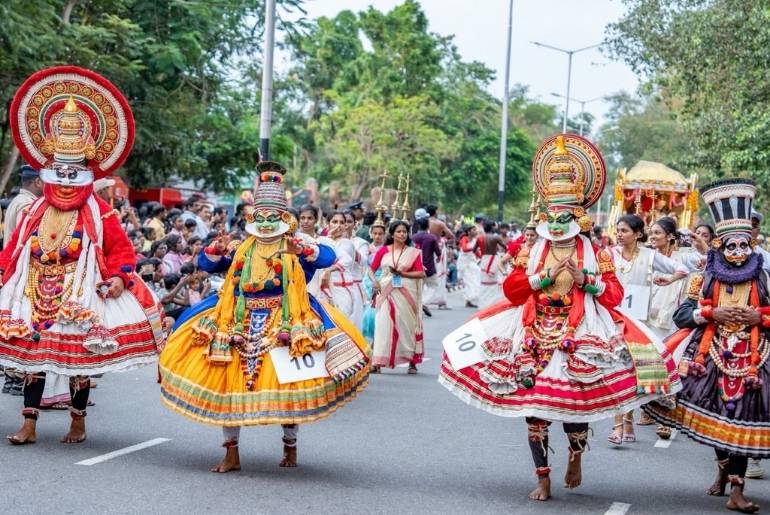
Onam lasts ten days but reaches its peak on Thiruvonam. The festival recalls prosperity under the legendary King Mahabali and coincides with the post-monsoon harvest. Long floral designs fill courtyards, snake-boat races draw massive crowds, and the Onasadya stretches across dozens of dishes.
Dates (2026): August 26
11. Nuakhai, Western Odisha
Nuakhai is an intimate festival, designed for those who really honour it with all their heart and soul. Families offer the first grains of the new rice harvest to deities and elders before anyone eats. The festival is timed carefully after Ganesh Chaturthi, based on regional calculations, reinforcing its agricultural precision.
Date (2026): Mid-September (commonly around September 15–16)
12. Chhath Puja, Bihar, Eastern Uttar Pradesh
Chhath is physically demanding. Devotees fast, stand in rivers for hours, and follow strict ritual discipline over four days. While often described as a sun festival, it is closely linked to agrarian cycles and river-based livelihoods. The rituals unfold at both sunset and sunrise, without temple intermediaries.
Dates (2026): Around November 13–16
Also Read: Bihar Elections: Ahead Of Results, 500 Kg Laddus And 5 Lakh Rasgullas Ordered For Celebrations
India’s harvest festivals resist uniformity. Some are loud, while some are restrained. Some revolve around food, others around fasting. What connects them is not symbolism alone but timing, each festival arrives when land, labour, and climate align. In 2026, these celebrations will again mark moments when communities pause, look at what the soil has given, and respond in their own language of ritual. Understanding them requires attention to detail, not generalisation, and that is where their richness lies.
Cover Image Courtesy: monicacrimmins/X and carereformer/X
For more such snackable content, interesting discoveries and the latest updates on food, travel and experiences in your city, download the Curly Tales App. Download HERE. First Published: January 09, 2026 7:54 PM