

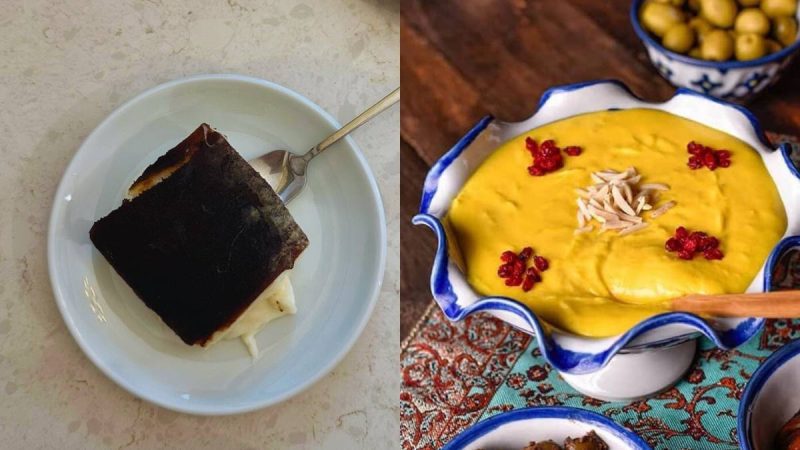
We like our food categories neat. Dessert goes on one side, meat stays on the other. But history didn’t care about that separation. Ottoman chefs turned poultry into silk because texture fascinated them, while Italian households thickened chocolate with fresh blood because wasting a slaughtered animal wasn’t an option! Some of these live even today, while some have changed just as much to retain their legacy for their heirs. These dishes are not stunts; they predate modern culinary trends by centuries. And each one contains real meat!
7 Desserts From Around The World That Shockingly Have Meat In Them
1. Traditional Mince Meat Pie (Medieval Britain)
Before it became a Christmas staple filled only with fruit, mince pie contained actual mutton. Recipes from 13th and 14th-century England describe chopped meat blended with suet, raisins, currants, dates, prunes, and imported spices like cinnamon, cloves, nutmeg, and mace. These spices arrived through Crusader trade routes and were expensive enough to signal status.
The meat was minced finely and mixed with dried fruit partly for flavour, partly for preservation. Sugar existed, but it wasn’t poured recklessly. The mixture was packed into a thick pastry shell designed to withstand long baking. The result wasn’t dessert as we define it today. It was dense, aromatic, faintly sweet, unmistakably delicious beneath the fruit. Over centuries, the meat gradually disappeared, but the name stayed. The original version did not play by modern rules.
2. Sanguinaccio Dolce (Traditional Southern Italy)

Traditional Sanguinaccio Dolce incorporated strained pig’s blood into melted dark chocolate, sugar, and milk. The mixture was stirred slowly over low heat. Blood proteins thickened it naturally, producing a shiny, pudding-like consistency without added starch. In Naples and the surrounding regions, Carnival aligned with pig slaughter season. So, the blood used was fresh.
The flavour profile surprises people who imagine something metallic or aggressive. Properly prepared, the blood deepens the chocolate rather than dominating it. It adds body, a mineral undertone, and structural density.
Modern Italian food laws may prohibit using fresh blood in this context, so contemporary versions rely on chocolate and cream. But historically, this was not metaphorical nose-to-tail cooking; it was literal. It was sweet, yes, but vegetarian, absolutely not!
Also Read: Aloo Parantha, Samosa & Chai For €3; Indian Street Food Vendor In Italy Goes Viral
3. Tavukgöğsü (Ottoman Turkey)
Ottoman palace kitchens were laboratories of texture. Tavukgöğsü, literally meaning “chicken breast,” is one of their more audacious experiments. The dish begins with chicken breast, which is boiled until tender. The meat is shredded into almost threadlike strands, then rinsed repeatedly to remove residual savoury aroma. It is simmered with milk, sugar, and rice flour or starch until thick. The chicken fibres disperse invisibly through the pudding.
When cooled, it sets into a smooth, pale slab that can be sliced. Some versions are lightly caramelised on top (kazandibi style), adding bitterness to balance sweetness. If you didn’t know there was poultry inside, you wouldn’t guess. The meat contributes protein structure and subtle density, not flavour.
4. Maple Bacon Donut (United States)
The maple bacon donut is contemporary and unapologetic. It gained popularity in the early 2000s, particularly in boutique bakeries in cities like Portland, Oregon. There is no historical subtlety here, just contrast. A yeast-raised dough is proofed, fried, and glazed with maple icing made from powdered sugar and maple syrup. Strips of crisp pork bacon are pressed into the glaze while it’s still tacky.
The first bite lands sweet, the second may bring a little smoke and fire. The glaze sticks to your fingers. This dessert doesn’t disguise its meat; it stages it. It exists because modern diners enjoy tension on the palate.
Also Read: USA Cricket Team Visits Tirupati Temple For Darshan Amid ICC T20 World Cup 2026
5. Coca De Llardons (Spain)
In Catalonia, Carnival season produces Coca de Llardons, a flat, sweet pastry enriched with pork cracklings. Llardons are the crisp solids left after rendering pork fat into lard. They carry concentrated roasted pork flavour and a crunchy texture. In coca, they are crushed and folded into or scattered across sweet dough. Sugar is sprinkled generously on top, and pine nuts often appear as well.
When baked, the sugar caramelises while the cracklings release fat into the pastry. The result is sweet on the surface, creamy underneath, and deeply aromatic. It’s festive food tied to the seasonal slaughter!
Also Read: Spain Is Offering Indians A Digital Nomad Visa For Five Years, But There’s A Catch!
6. Khoresht Mast (Historic Lamb Version, Iran)
Modern Khoresht Mast can also be made vegetarian, but its OG versions resent that. In Isfahan’s aristocratic kitchens, cooks prepared shredded lamb shoulder, slow-cooked until tender, then folded it into a saffron-infused yoghurt mixture. Sugar tempered the yoghurt’s tang while egg yolks stabilised the texture. The dish was gently heated and cooled before serving.
The lamb did not overpower; it simply enriched the dish. Combined with saffron, it produced a dish that hovered between dessert and richness-in-a-bowl, something Persian cuisine handles comfortably, even if Western categories struggle with it. Today, most versions can omit meat entirely, but historically, the lamb was integral.
7. Mutanjan (Mughlai Sweet Rice With Mutton)
Mutanjan entered Mughal courts between the 16th and 18th centuries, when Persian rice traditions merged with Indian ingredients. It includes mutton (goat meat) layered with sweetened rice.
Chunks of mutton are browned in ghee with cloves, green cardamom, cinnamon, and bay leaf, then simmered until tender. Basmati rice is parboiled separately to maintain length and texture. The layering process matters here with rice, meat, saffron-infused milk, sugar, raisins, almonds, pistachios, and fried onions. The pot is sealed and then slow-steamed.
The sweetness does not erase the mutton; it softens it. Dried fruits punctuate the richness. This is not a Western dessert; it is a sweet, celebratory rice anchored firmly in meat.
Also Read: This Hyderabad Mutton Soup Is A Royal Winter Delight With Tender Meat & Silky Nutty Broth
These dishes endure because they work structurally, culturally, and historically. Meat in dessert is not rebellion; it is more like a memory, a preservation, a seasonality, and a technical curiosity. The shock is modern, but no, the recipes are not.
Cover Image Courtesy: halledilirmese/X and mim_maryamhn/X
For more such snackable content, interesting discoveries and the latest updates on food, travel and experiences in your city, download the Curly Tales App. Download HERE.
FAQs
Did medieval desserts really contain meat?
Yes. Early mince pies in Britain contained mutton mixed with dried fruits and spices before evolving into fruit-only versions.
Is pig blood actually used in chocolate desserts?
Historically, Sanguinaccio Dolce in Southern Italy used pig’s blood to thicken chocolate during Carnival season, though modern laws often prohibit it.