
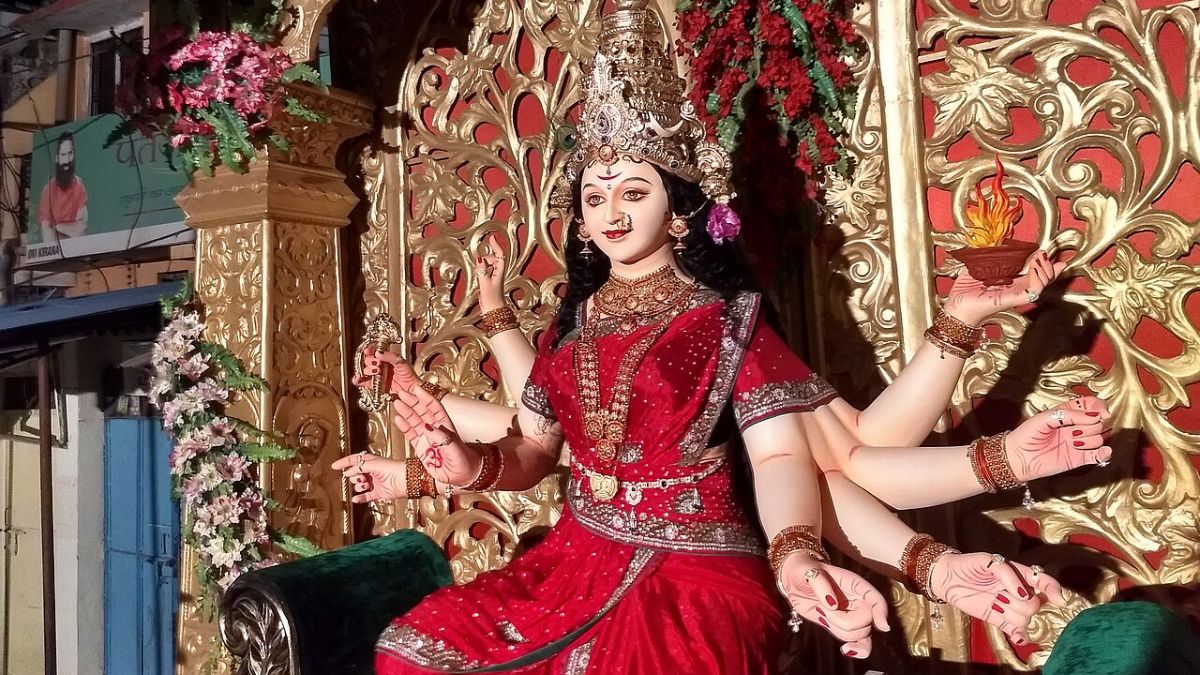
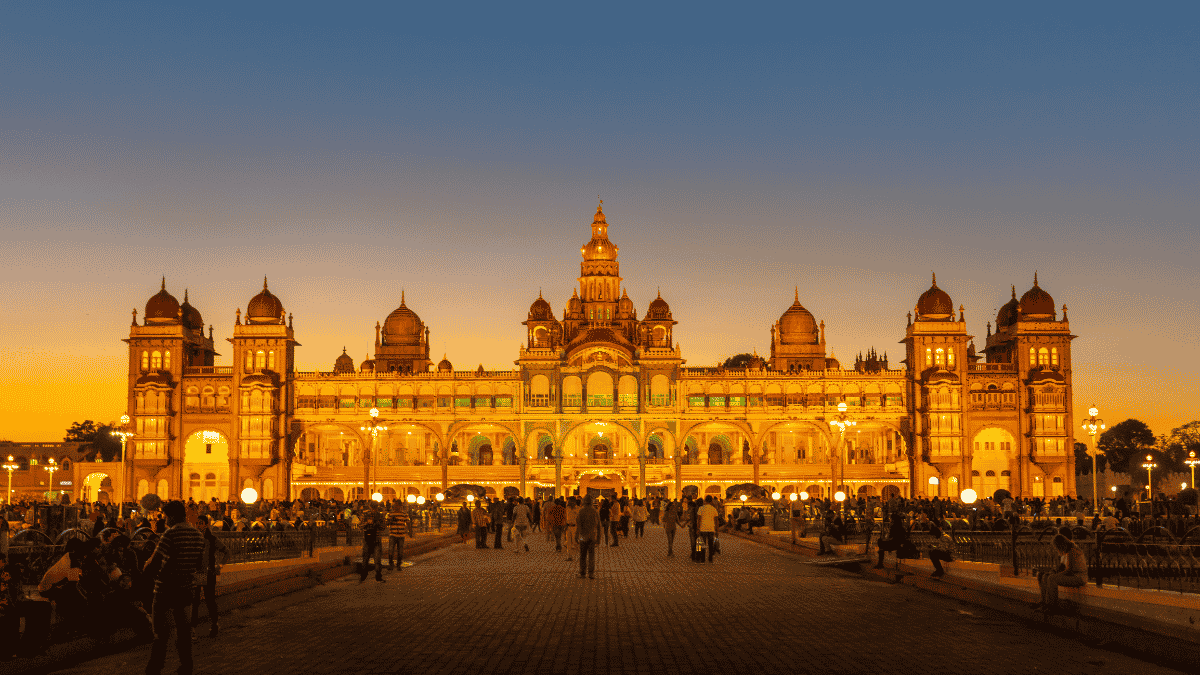
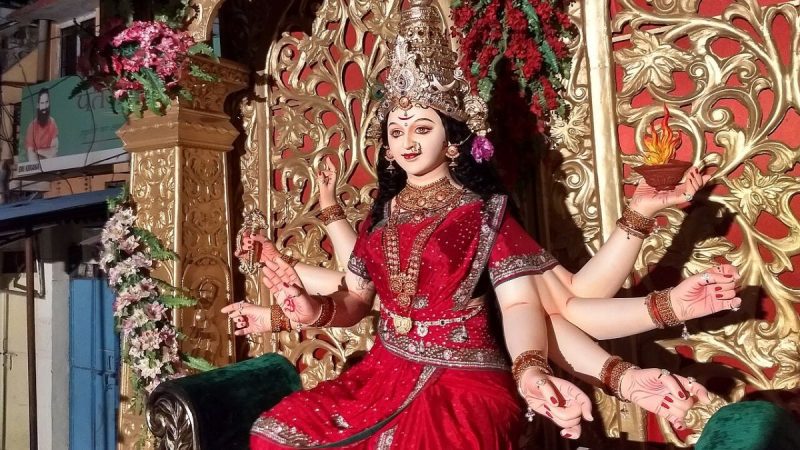
Jabalpur’s Navratri isn’t the first celebration that comes to mind when you think of the festival. While cities such as Ahmedabad are known for garba and Kolkata for grand Durga Puja, Jabalpur has built its own festive identity around elaborate public pandals, towering idols, traditional processions and celebrations that spill onto the streets. Want to know how the city celebrates Navratri? Scroll down.
More Than 300 Pandals: Here’s How Jabalpur Celebrates Navratri
The city, often known as Sanskardhani, becomes particularly vibrant during the nine-day festival, with devotees moving from one neighbourhood to another for darshan. One of the biggest attractions is the sheer scale of the celebrations. Jabalpur has more than 300 prominent public pandals, and, in recent years, reports have put the overall number of Durga idols across the city at well over 1,000. This means Navratri here is less about visiting one or two famous spots and more about exploring different parts of the city after sunset.
Several installations have their own long-standing traditions. The Mahakali shrines at Gadha Phatak and Padav, the Durga idol at Sunarhai and the Nunhai Durga celebration are among the places that attract large crowds. Nunhai, in particular, has a history stretching back more than 150 years, with its traditional idol adorned in old Bundelkhandi jewellery. The celebration also features a 350-kg silver chariot during the Dussehra procession.
Also Read: First Time At A Garba Event? 5 Essential Tips To Dress Right, Dance Well And Enjoy Fully
The experience extends beyond the pandals. Streets are lit up, community groups organise bhajans, bhandaras and cultural programmes, while different neighbourhoods hold their own processions and celebrations. Jabalpur’s Dussehra traditions also include Ram Leela performances, some of which have been part of the city’s cultural landscape for more than a century.
A Must-Visit Navratri Experience
What makes Jabalpur interesting for a festive trip is the way its traditions bring together different layers of the city’s history. Public Durga celebrations have been documented in Jabalpur since the 19th century, while the city’s Bengali community has also maintained its own Durga Puja traditions for generations.
For visitors, this makes Navratri a chance to see a side of Jabalpur that goes beyond its better-known attractions such as Bhedaghat and Dhuandhar Falls. You can spend an evening moving through the city’s decorated neighbourhoods, stopping at traditional shrines, checking out elaborate pandals and watching the festivities build towards Dussehra.
Also Read: ₹15,000 For One Day! Ahmedabad’s Safed Parindey Is Back With A Pricey Navratri Night
If you are looking for a Navratri experience beyond the usual garba destinations, Jabalpur offers something distinctly local: a city where the festival is woven into neighbourhoods, old traditions and streets that stay alive late into the night.
Cover Image Courtesy: Wikimedia Commons
FAQs
Is Jabalpur famous for celebrating Navratri?
Yes, Jabalpur is very famous for its grand, vibrant, and deeply devotional Navratri celebrations.
What are 9 days of Navratri in 2026?
Sharad Navratri 2026 will be observed from October 11 to October 19, 2026, with Vijayadashami or Dussehra falling on October 20.
Why is Jabalpur famous?
Jabalpur in Madhya Pradesh is famous for its stunning natural marble rock formations at Bhedaghat and the powerful Dhuandhar Falls along the holy Narmada River.


