


India’s growing infrastructure is helping people travel long distances much faster. Several major projects are currently underway, and one of the most important among them is the Delhi–Mumbai Expressway, which is now close to completion. Read on to know more.
Delhi-Mumbai Expressway Near Completion
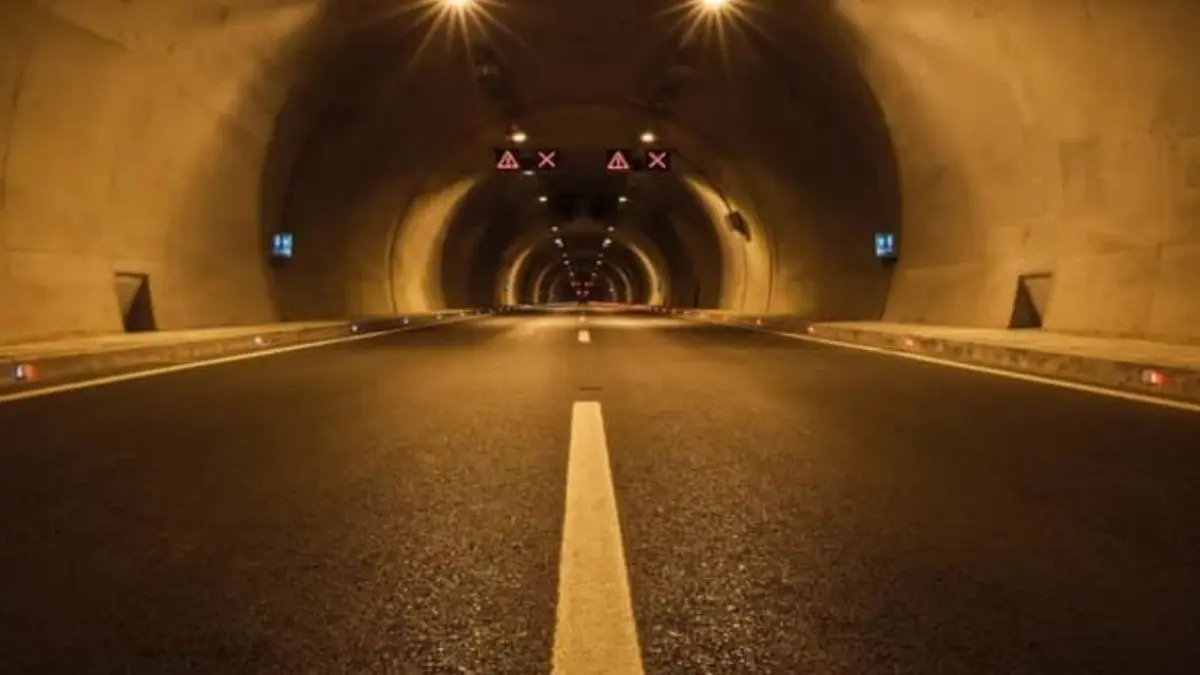
The major highlight of the Delhi–Mumbai Expressway is the 4.9-kilometre tunnel. As per The New Indian Express, this tunnel is being built near Kota in Rajasthan and is expected to open on June 20. It runs beneath the ecologically sensitive Mukundara Hills Tiger Reserve and is India’s first eight-lane road tunnel of its kind in a wildlife zone. This section is one of the final missing links in the 1,386-kilometre expressway, which is being built at an estimated cost of around ₹95,000 crore.
The tunnel took nearly four and a half years to complete because construction had to be carried out carefully in a tiger reserve area. Authorities designed it in a way that allows smooth traffic movement without disturbing wildlife or the natural environment above.
Also Read: This 135-Km Expressway Could Redefine Travel And Development Across Delhi NCR
At What Speed Will Vehicles Travel?
The Delhi–Mumbai Expressway is designed as a high-speed access-controlled road. On this route, vehicles will be able to travel at speeds of up to 120 km/h. One of the best things is that the road does not have traffic signals or intersections. The wide 21-metre median also allows the expressway to be expanded from eight lanes to 12 lanes in the future if needed.
Once fully operational, the expressway is expected to reduce the travel time between Delhi and Mumbai to about 12 hours, compared to more than 24 hours at present. It will also help improve transport efficiency across Haryana, Rajasthan, Madhya Pradesh, Gujarat and Maharashtra. The route starts near Sohna in Gurugram and passes through six states before ending at the Jawaharlal Nehru Port Trust (JNPT) in Mumbai.
How excited are you for this Delhi-Mumbai expressway? Tell us in the comments below!
Also Read: Vadodara-Mumbai Expressway Gets A Major Boost With New 8-Lane Corridor
Cover Image Courtesy: X/@Indianinfoguide
FAQs
How much travel time will the Delhi–Mumbai Expressway reduce?
The Delhi–Mumbai Expressway is expected to reduce travel time between the two cities to about 12 hours from over 24 hours.
At what speed can vehicle travel on this route?
Vehicles on the Delhi–Mumbai Expressway can travel at speeds of up to 120 km/h, depending on traffic rules and conditions.
How many signals will be there on Delhi–Mumbai Expressway?
There will be no traffic signals on the Delhi–Mumbai Expressway as it is a fully access-controlled highway.


