
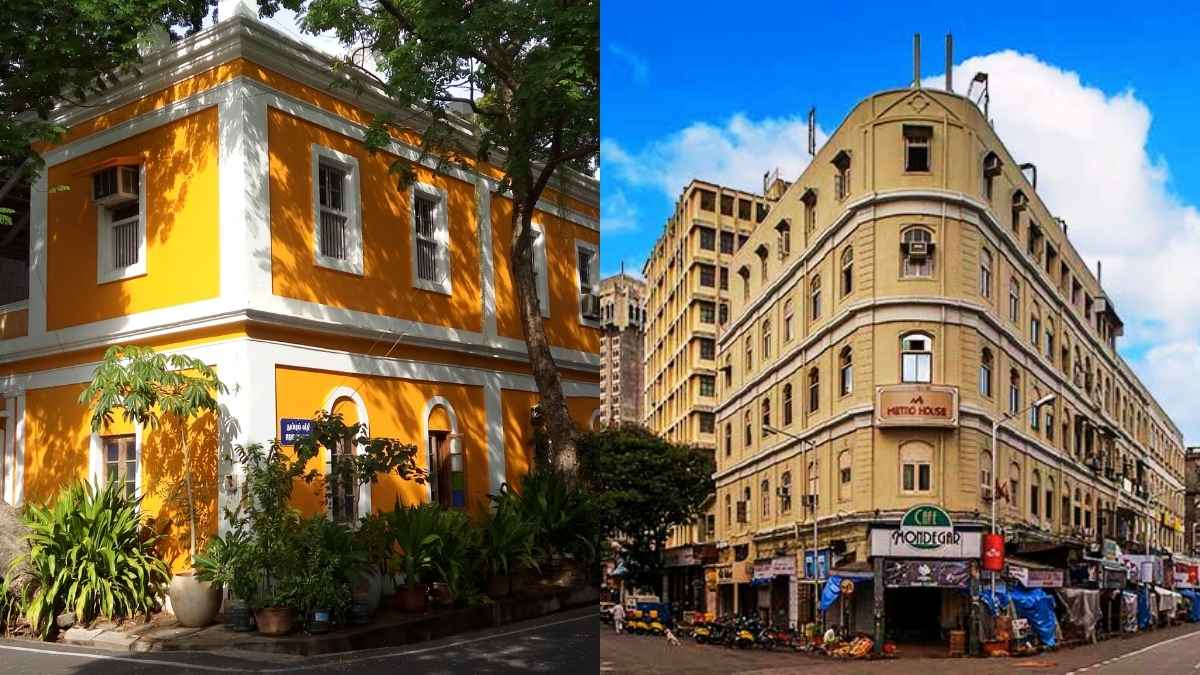



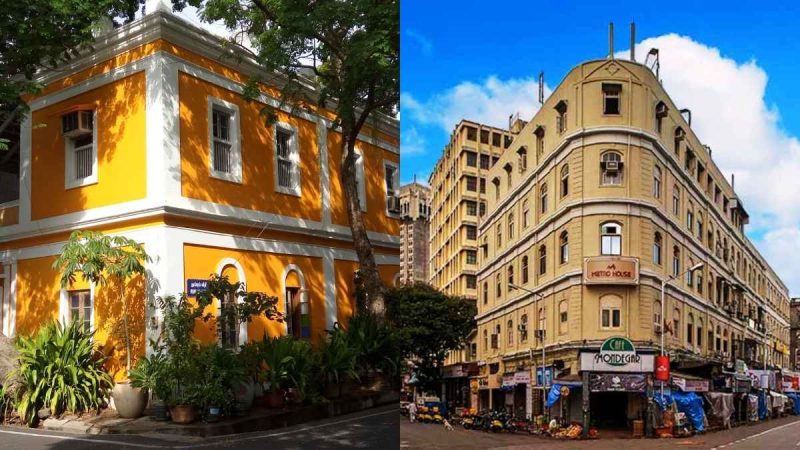
Some neighbourhoods reveal themselves only when you slow down. Cars flatten cities into routes and destinations; walking turns them back into places. In India, where density is often read as frustrating, a few walkable neighbourhoods quietly reward pedestrians. They are not perfect or pristine, but they are legible on foot. Their streets hold memory, food, fun and everyday life at a scale the human body understands.
10 Most Walkable Neighbourhoods You Should Visit At Least ONCE!
1. Colaba Causeway, Mumbai
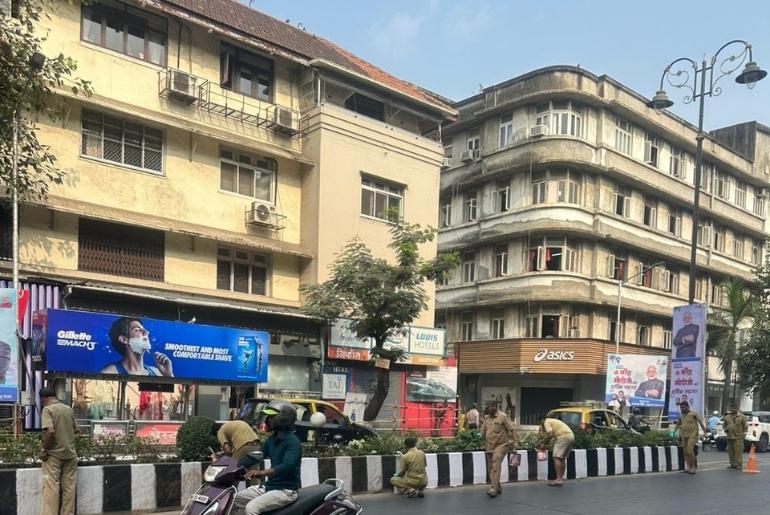
Colaba Causeway is impossible to understand from a vehicle! It’s a street that demands stopping, weaving, hesitating and circling back. Stalls selling oxidised jewellery spill into the walking space, cafés are busy all day with tourists and regulars, and side lanes lead to bookshops, bakeries and the city’s most photographed monuments. The Gateway of India and the Taj Mahal Palace Hotel sit close enough to provide a glimpse of heritage and royalty coming together. Walking lets you negotiate the street’s rhythm.
Also Read: Sunburn Festival Mumbai’s Costliest Ticket Is Priced At ₹8.26 Lakh! All About Platinum Pass
2. Fort And Kala Ghoda, Mumbai
Fort was Mumbai before it learnt to rush, rush, rush! The pavements are wide, the buildings assertive rather than towering, and the streets still follow a colonial logic that privileges blocks over flyovers. Walking through Kala Ghoda, you move past the Bombay High Court’s Gothic bulk, the Asiatic Society’s steps, and the quiet authority of old banks and libraries. Art galleries cluster naturally here, cafés hide inside century-old structures, and museums sit close enough to wander between without planning. Fort works on foot because its history was built for clerks, traders and readers.
3. Bandra Bandstand And Hill Road, Mumbai
Bandra’s walkability comes from contrast. The Bandstand promenade stretches along the sea, offering uninterrupted walking with nothing to do except watch waves, joggers and the city exhale. A few streets away, Hill Road and the surrounding lanes flip the mood entirely with crowded shops, old bakeries, churches, street art and cafés packed into tight blocks. Walking stitches these opposites together. You notice murals on Chapel Road, the sudden quiet of Pali Village, and the way Bandra constantly toggles between neighbourhood and tourism.
4. White Town, Pondicherry

White Town feels magical in a way few Indian neighbourhoods do. The French grid still holds, from straight streets, consistent building heights, and façades in muted yellows, greys, and blues are one reason. Walking here is unhurried by design. Here, traffic is limited, signage is discreet, and the streets lead naturally toward the seafront. You pass restored villas turned into cafés, bookstores and guesthouses, then emerge at Goubert Avenue where the Bay of Bengal stretches out flat and endless. White Town isn’t just walkable, it expects you to walk.
Also Read: 10 Christmas Markets In India That Feel Straight Out Of Europe
5. Fort Kochi, Kerala
Fort Kochi unfolds gently! The air smells of salt and spice, and almost every landmark is close enough to reach without thinking about distance. Princess Street connects cafés, heritage sites and art spaces, while the waterfront pulls walkers toward the Chinese fishing nets that have become the area’s visual shorthand. Inland, Jew Town’s narrow lanes lead to antique shops and the Mattancherry Palace. Walking here feels less like sightseeing and more like drifting through layers of faith and colonial history.
6. Fontainhas, Panjim
Fontainhas needs no introduction, but it needs a visit ASAP! The streets are narrow, residential and personal. Brightly painted houses line winding lanes, their balconies heavy with plants and old signage. Walking is the only way to appreciate the details like azulejo tiles, nameplates and small shrines tucked into corners. Bakeries and cafés appear out of nowhere (legit!), and churches rise suddenly at the end of streets.
Also Read: Christmas In Goa: How Can You Celebrate The Festive Season Like A Local
7. Connaught Place, New Delhi
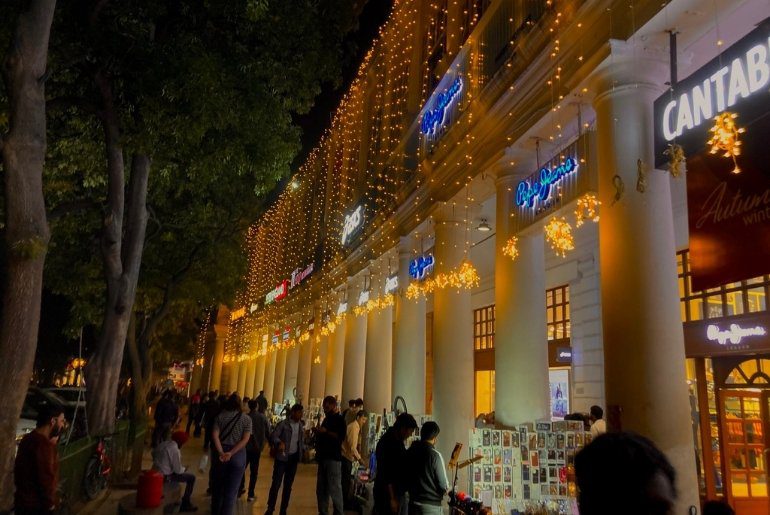
Connaught Place is Delhi’s rare experiment in spatial clarity. Its circular form creates an intuitive walking experience with the inner circle, outer circle and radiating roads. Colonnades offer shade, shops and cafés sit at predictable intervals, and Janpath adds a messier and market-driven energy nearby. Walking here feels strangely democratic for a capital city! Here, office workers, shoppers, tourists and students all share the same pavement. It’s busy, but navigable.
8. Chandni Chowk, Old Delhi
Chandni Chowk overwhelms first-time walkers and then rewards them! Vehicles barely get their due here, as feet rule the lanes. The streets compress centuries of commerce into a few kilometres, with spice warehouses at Khari Baoli, sweet shops older than independence and food lanes that are the MAIN CHARACTER (no, we aren’t exaggerating). Walking is slow here, sometimes exhausting, but it allows you to register how Old Delhi still functions as a living market city.
9. Church Street And MG Road, Bengaluru

Church Street is a hit because it gave space back to people. Largely pedestrianised, it connects bookstores, cafés, pubs and performance spaces in a way that feels spontaneous and almost paved by nature itself. You walk because there’s no reason not to. MG Road extends the experience with colonial-era buildings and larger retail spaces, but Church Street remains the emotional core, where Bengaluru gathers, walks slowly and watches itself go by.
Also Read: “We Deny The Baseless Allegations,” Shilpa Shetty Breaks Silence On Bastian Bengaluru Case
10. Park Street, Kolkata
Park Street carries Kolkata’s social memory. Walking here means passing by institutions that have shaped the city’s cultural life, from restaurants and bookstores to music venues and churches. The street comes alive after dark, especially during Christmas, when lights spill onto pavements and crowds make it alive with their presence.
Also Read: Messi In Kolkata: Fans Throw Bottles, Tear VIP Sofas After Brief Stadium Appearance
None of these neighbourhoods is flawless. They’re noisy, crowded, uneven and occasionally frustrating. That’s precisely why walking works! On foot, you negotiate a city instead of consuming it. These streets don’t just connect places, they tell stories, reward curiosity and remind you that cities were once built to be moved through at human speed.
Cover Image Courtesy: pallab.banerjee/CanvaPro and colabacauseway/Wikipedia
For more such snackable content, interesting discoveries and the latest updates on food, travel and experiences in your city, download the Curly Tales App. Download HERE. First Published: December 22, 2025 8:24 AM