
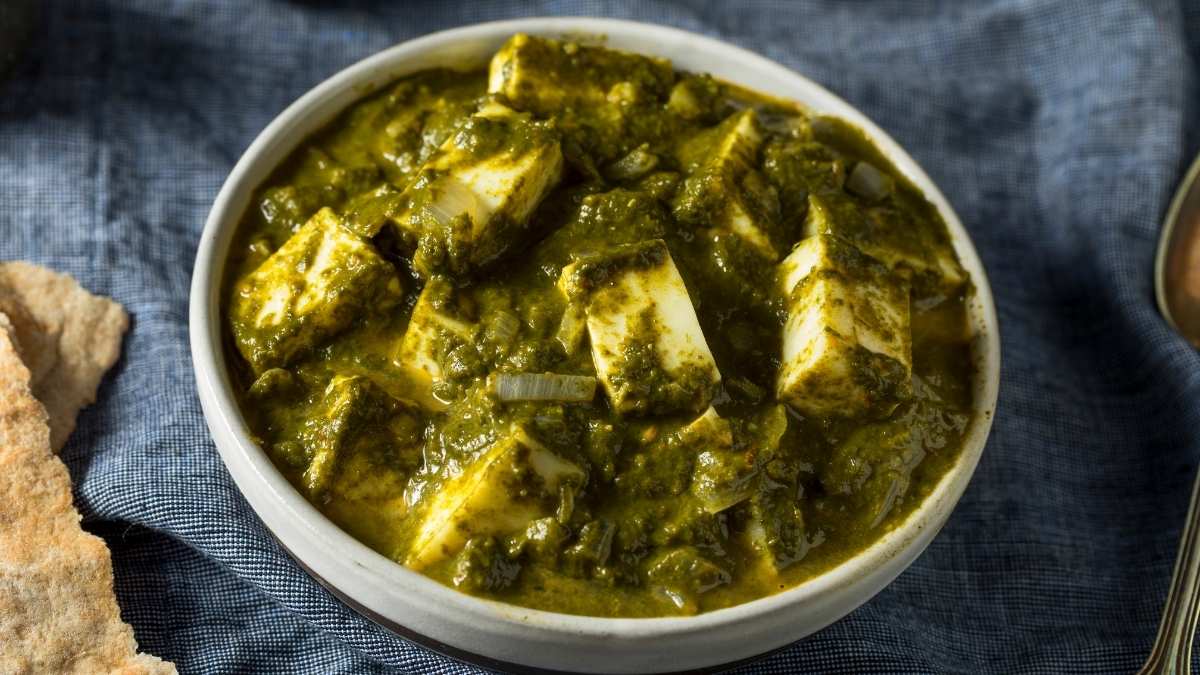



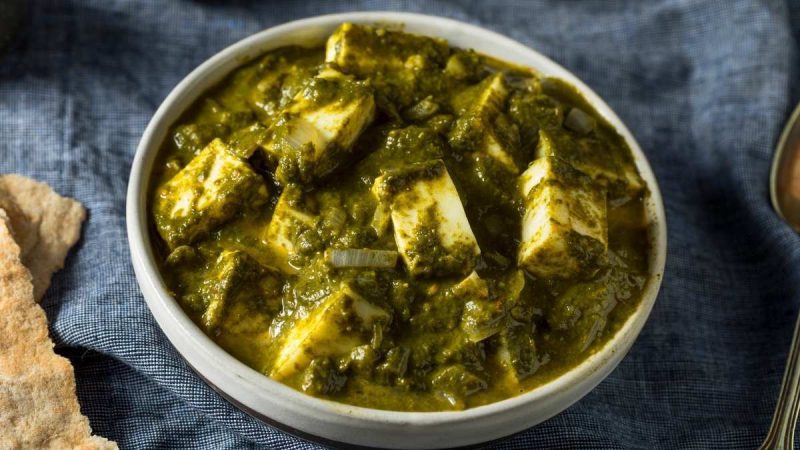
No one tells you that assimilation can hinge on something as small as lunch. That a meal cooked in spinach and spices can trigger meetings, complaints, and accusations of being “unsafe.” Yet for two Indian PhD scholars in the US, a plate of palak paneer became the reason their academic careers there abruptly ended.
The Palak Paneer Incident: How A Lunchbox Sparked A Crisis In The US
According to News 18, on September 5, 2023, Aditya Prakash, then a fully funded PhD scholar in anthropology at the University of Colorado Boulder, was reheating palak paneer in a shared departmental microwave. A staff member told him the food was “pungent” and asked him not to use the facility again. Prakash remembers answering evenly. He was almost done. He would leave.
That should have been the end of it. Instead, it became the beginning of a slow institutional unravelling.
Over the following weeks, Prakash was called into repeated meetings with senior faculty. Complaints were filed against him with the Office of Student Conduct. He was told that staff felt “unsafe” around him; it was a charge that baffled him, given that the trigger was a lunchbox.
His partner, Urmi Bhattacheryya, also a PhD student in the department, soon found herself caught in the fallout. Her teaching assistantship was withdrawn without warning.
Two days after the microwave incident, several students brought Indian food to campus. The students were accused of inciting a riot, News 18 reported. The complaints were later dismissed, but the damage had already been done.
Also Read: US Set To Raise H-1B & Other Visa Premium Processing Fees From March; Check New Rates
“Unsafe” Around Indian Food: Allegations Against Aditya Prakash
Both scholars insist their first year in the programme had been uneventful. Prakash had secured grants and funding. Bhattacheryya’s research on marital rape had been well received.
They had invested their savings, their time and their futures. “Everything changed overnight,” Prakash said later. “My food is my pride. What smells ‘bad’ or ‘good’ isn’t neutral, it’s cultural,” as reported by News 18.
By May 2025, the couple had filed a federal civil rights lawsuit in the US District Court for the District of Colorado. The complaint alleged discrimination and a pattern of escalating retaliation, pointing to a departmental kitchen policy that disproportionately affected South Asian students and made Indian scholars wary of opening their lunches at all.
Twenty-nine anthropology students issued a public statement supporting them, calling the response to Indian food harmful and incompatible with the department’s stated opposition to systemic racism.
In September 2025, the university settled. The agreement included a $200,000 payout and Master’s degrees for both scholars, with one condition: neither could ever study or work at the university again.
Earlier this month, Prakash and Bhattacheryya returned to India for good.
Going back, Prakash said, would mean returning to the same system, with the same visa precarity. Bhattacheryya sees their experience as part of a wider hardening of attitudes in the US, especially after new power, as reported by News 18.
Also Read: Struggling With Low Iron? This Lemon Hack For Palak Paneer & Other Leafy Greens Might Help!
“Institutions talk about inclusion,” she said, “but there’s very little patience for discomfort, especially when it comes from immigrants or people of colour.” All of this, she added, started with lunch.
Cover Image Courtesy: bhofack2/CanvaPro
For more such snackable content, interesting discoveries and the latest updates on food, travel and experiences in your city, download the Curly Tales App. Download HERE. First Published: January 14, 2026 2:52 PM