

Guru Nanak Dev Ji’s story goes far beyond the walls of a gurdwara. It runs through the lanes of historic Punjab, along quiet riverbanks, across villages divided by modern borders and into places where his teachings continue to shape everyday life. Born in 1469, the founder of Sikhism challenged social hierarchies and preached devotion to one God, honest work and sharing with others. These eight places offer a closer look at the life he led on Guru Nanak Jayanti, the communities he built and the legacy that still draws pilgrims centuries later.
Guru Nanak Jayanti: 8 Historic Places Connected To Guru Nanak Dev Ji’s Life
1. Nankana Sahib, Pakistan
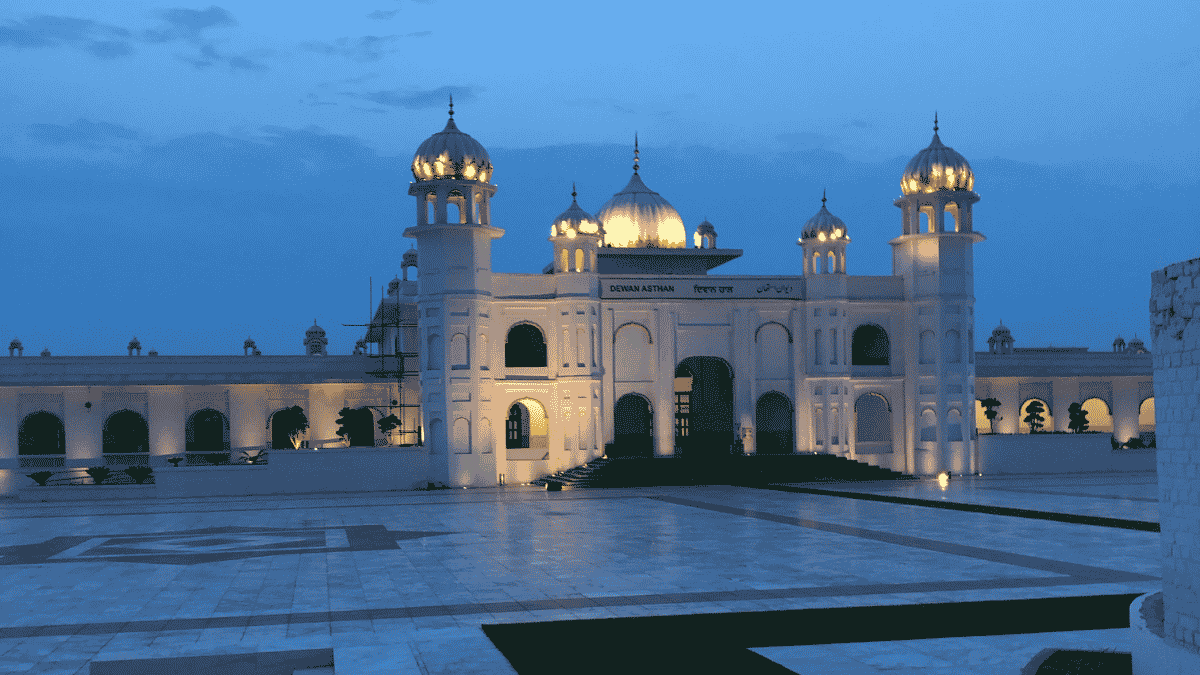
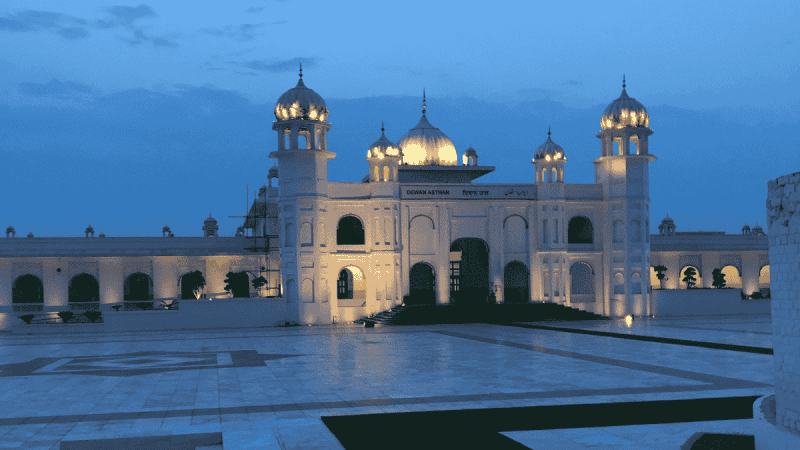
Nankana Sahib is where the story begins. Guru Nanak Dev Ji was born here in 1469, when the settlement was known as Rai Bhoi Di Talwandi. The town’s most revered shrine, Gurdwara Janam Asthan, commemorates his birth and remains one of the most significant pilgrimage sites in Sikhism. For visitors, the experience is about more than standing at a historic location; it is about tracing the beginnings of a philosophy that questioned caste divisions and religious prejudice.
The shrine complex draws devotees throughout the year, with particularly large gatherings around Gurpurab, the celebration of Guru Nanak’s birth anniversary. Since Nankana Sahib is in Pakistan, Indian travellers should check current travel advisories and pilgrimage arrangements before planning a visit.
2. Sultanpur Lodhi, Punjab
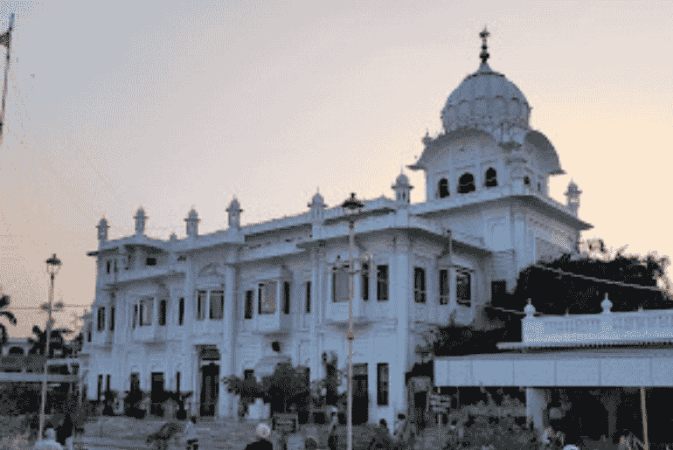
In Sultanpur Lodhi, Guru Nanak Dev Ji’s story moves from childhood to the beginnings of his public spiritual mission. He worked here as a storekeeper under Daulat Khan Lodi, a period traditionally associated with his growing spiritual awareness. The town’s connection to the Kali Bein rivulet is especially significant. Sikh tradition recounts that Guru Nanak disappeared while bathing in the rivulet and returned after three days with a profound realisation of humanity’s shared spiritual identity. His declaration that no one should be divided by religious labels became a defining expression of his teachings.
Today, Sultanpur Lodhi’s historic gurdwaras draw pilgrims who come to explore the place where his spiritual journey took a decisive turn.
Also Read: Guru Nanak Jayanti 2025: Make Langarwali Dal At Home With This Simple Recipe By Chef Kunal Kapur
3. Kartarpur Sahib, Pakistan
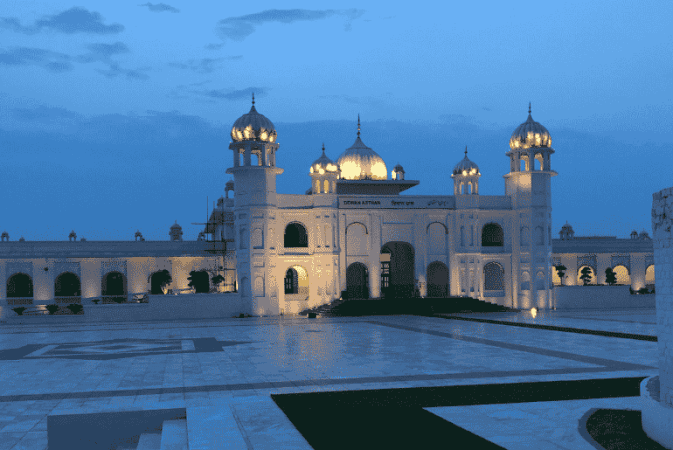
After years of travelling and sharing his teachings, Guru Nanak Dev Ji settled at Kartarpur, where he spent the final years of his life. He established a community where spiritual practice went hand in hand with farming, honest labour and sharing what one earned. Today, Gurdwara Darbar Sahib Kartarpur stands as a reminder of this way of life. Rather than separating spirituality from ordinary responsibilities, Guru Nanak demonstrated how the two could coexist.
The site is also closely associated with the tradition of langar, where people sit together and share a meal without distinctions of caste or status. For Indian pilgrims, the Kartarpur Corridor offers a special route to the shrine, subject to current travel rules and arrangements.
4. Batala, Punjab
Not every significant chapter in Guru Nanak Dev Ji’s life took place during a pilgrimage or a spiritual gathering. Batala, in Punjab’s Gurdaspur district, is associated with his marriage to Mata Sulakhni Ji in 1487. Gurdwara Sri Kandh Sahib commemorates the occasion, with its name referring to a mud wall linked to the traditional account of the wedding. Another shrine, Gurdwara Dera Sahib, is associated with the place where the marriage ceremony took place.
These sites offer a glimpse into Guru Nanak’s life as a householder, a detail that matters because his teachings embraced family responsibilities alongside spiritual devotion.
5. Dera Baba Nanak, Punjab
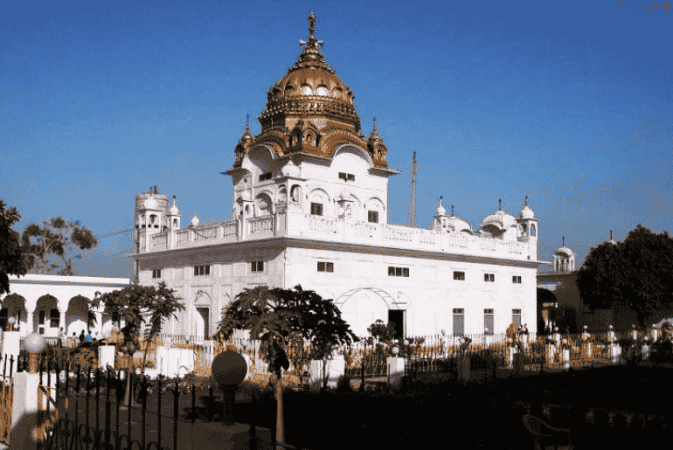
Close to the India-Pakistan border, Dera Baba Nanak is a historic Sikh pilgrimage town connected to Guru Nanak Dev Ji’s family and legacy. Gurdwara Darbar Sahib is among its principal shrines, while Gurdwara Chola Sahib is known for a robe traditionally associated with the Guru. The town developed around sites revered by his followers and descendants, making it an important part of Sikh heritage in the Ravi River region.
Its location also gives it a particular resonance today; Partition placed historically connected places on opposite sides of an international border. Visitors can explore the town’s gurdwaras and reflect on how religious traditions continue to connect communities across geographical divisions on Guru Nanak Jayanti.
6. Achal Batala, Punjab
Achal Batala, near Batala, is associated with a traditional account of Guru Nanak Dev Ji engaging in a spiritual discussion with Hindu ascetics. The story is remembered for its emphasis on inner devotion over outward displays of religious practice. Rather than treating rituals as the ultimate measure of spirituality, Guru Nanak’s teachings placed importance on truthfulness, humility and remembering God. The area is also associated with Gurdwara Achal Sahib, a historic Sikh shrine.
While details of the encounter come from traditional narratives, the site’s place in Sikh memory makes it an interesting destination for visitors seeking to understand how Guru Nanak’s teachings challenged established ideas about religious authority and spiritual life.
7. Multan, Pakistan
Multan has long been known as a centre of Sufi spirituality, with a rich history of shrines and religious scholarship. Sikh traditions associate Guru Nanak Dev Ji with journeys through the region, where encounters with spiritual figures are said to have formed part of his wider mission. These accounts fit the broader picture of a teacher who questioned religious divisions and encouraged people to seek a deeper understanding of God.
However, the precise details of Guru Nanak’s travels are debated by historians, and traditional accounts should not automatically be treated as verified itineraries. Multan’s significance in this context lies in the way Sikh narratives connect his teachings with a wider landscape of spiritual exchange across the subcontinent.
Also Read: 10 Sacred Gurudwaras Across The World To Visit This Guru Nanak Jayanti
8. Baghdad, Iraq
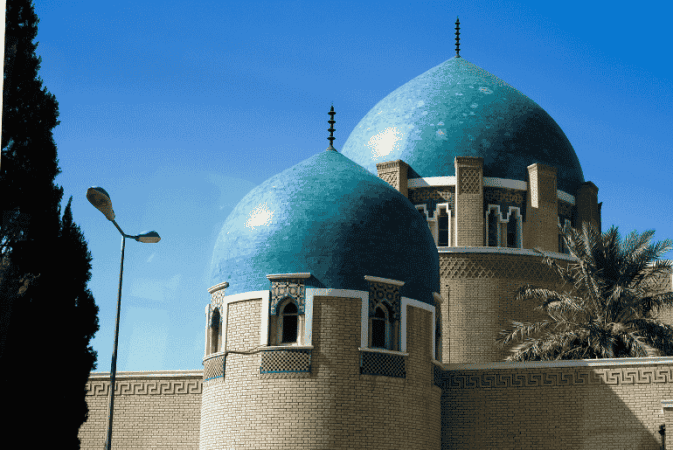
Baghdad offers one of the most intriguing chapters in the traditional accounts of Guru Nanak Dev Ji’s travels. Sikh tradition remembers him visiting the Iraqi city and engaging in discussions with Muslim spiritual figures. An inscription associated with a shrine in Baghdad has long been discussed in connection with the reported visit, although its interpretation and historical dating have been debated by scholars.
The story remains significant because it reflects how Guru Nanak’s message is remembered beyond the Indian subcontinent. His teachings centred on devotion to one God and respect for humanity, ideas that crossed religious boundaries. Baghdad therefore occupies a distinctive place in Sikh historical memory, even as the precise details of the journey remain a subject of historical discussion.
From the birthplace of Guru Nanak Dev Ji to the community he established at Kartarpur, these destinations reveal different sides of his life on Guru Nanak Jayanti: the family man, the spiritual teacher and the traveller remembered for challenging religious divisions.
Cover Image Courtesy: jahangirkhan/Canva Pro
FAQs
Where was Guru Nanak Dev Ji born?
Guru Nanak Dev Ji was born in 1469 at Rai Bhoi Di Talwandi, now known as Nankana Sahib in present-day Pakistan. Gurdwara Janam Asthan commemorates his birthplace.
Which places are associated with Guru Nanak Dev Ji’s life?
Important places associated with his life and legacy include Nankana Sahib, Sultanpur Lodhi, Kartarpur Sahib, Batala, Dera Baba Nanak and Achal Batala. Traditional Sikh accounts also associate his travels with places such as Multan and Baghdad.
Why is Sultanpur Lodhi important in Sikh history?
Sultanpur Lodhi is associated with Guru Nanak Dev Ji’s years of employment and the spiritual experience traditionally linked to the Kali Bein rivulet. It is an important destination for understanding his early spiritual mission.
What is the significance of Kartarpur Sahib?
Kartarpur is where Guru Nanak Dev Ji established a community based on spiritual devotion, honest work and sharing with others. He spent the final years of his life there.


