


There are very few foods that have managed to stay relevant for over 3,000 years. Chocolate is one of them. It’s comfort food after a bad day, the default gift on Valentine’s Day, the star ingredient in countless desserts, and, let’s be honest, one of those things most of us struggle to say no to. That’s exactly why World Chocolate Day, celebrated every year on July 7, feels like the perfect excuse to look beyond wrappers and flavours. Some of these might make you appreciate chocolate even more. One of them may make you inspect your next chocolate bar a little more closely.
World Chocolate Day: 11 Mind-Blowing Facts About Chocolate
1. Tiny Insect Fragments Are Legally Allowed In Chocolate
Let’s start with the one almost nobody sees coming. No matter how premium the chocolate bar looks, there’s a good chance it contains microscopic insect fragments. That’s not because manufacturers are careless; it’s because cocoa is grown outdoors, where insects naturally live among cacao pods. Even after harvesting, fermenting, drying, roasting and processing, removing every tiny fragment is practically impossible.
Food safety authorities recognise this and permit extremely small amounts in chocolate because they’re considered unavoidable and pose no health risk. It’s one of those facts that sounds horrifying until you realise it’s simply how agricultural food production works.
2. Your “Healthy” Dark Chocolate May Naturally Contain Heavy Metals
Dark chocolate has earned a reputation as the healthier sibling of milk chocolate. Cocoa trees can naturally absorb cadmium from the soil they’re grown in. Lead, meanwhile, can find its way onto cocoa beans during harvesting, drying or manufacturing. The concentration depends on factors like where the cocoa is cultivated, environmental conditions and processing methods, which is why two dark chocolate bars can have very different levels despite looking almost identical. It’s an issue scientists and manufacturers continue to study, reminding us that “natural” doesn’t always mean chemically simple.
3. White Chocolate Spent Decades Fighting To Be Called Chocolate
If you’ve ever argued that white chocolate isn’t “real” chocolate, you weren’t alone. For years, regulators had the same debate. Unlike milk or dark chocolate, white chocolate contains cocoa butter but no cocoa solids, the part that gives traditional chocolate its colour and intense flavour. Because of that difference, it wasn’t officially recognised as chocolate in the United States until 2002, when standards defining its composition were introduced.
Also Read: Looking For The Best Coffee & Hot Chocolate In London? This Spot Has Katrina Kaif’s Approval!
4. Chocolate’s First Version May Have Been Alcohol, Not Dessert
The earliest people to discover cacao probably weren’t dreaming about brownies. Archaeologists believe ancient communities first became interested in cacao because of the sweet, sticky pulp surrounding the seeds inside cacao pods. That pulp ferments naturally, producing a sort of alcoholic drink. Long before anyone roasted cocoa beans or invented hot chocolate, people may have been enjoying cacao as a primitive alcoholic beverage. In other words, chocolate’s earliest chapter looked far more like brewing than baking.
5. Cocoa Beans Were Once Valuable Enough To Replace Cash
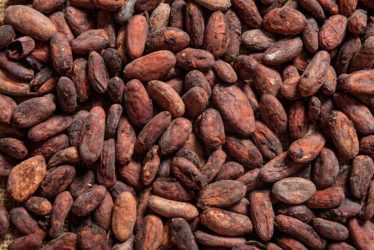
Imagine walking into a market and paying with cocoa beans instead of coins! That’s exactly what happened in parts of ancient Mesoamerica. Among the Maya and later the Aztecs, cacao beans were valuable enough to function as currency. Historical records describe people buying everyday goods with them, and the beans became so valuable that counterfeit versions began appearing.
Some fraudsters reportedly emptied cacao shells and filled them with dirt or other materials before sealing them shut; a surprisingly sophisticated scam for something that happened centuries before modern banking.
Also Read: Why Do Women Suddenly Crave Chocolate During Their Periods? Science Has The Answer!
6. Chocolate Was Practically Designed To Melt In Your Mouth
There’s a reason good chocolate feels different from almost any other sweet. The secret is cocoa butter, the natural fat inside cacao beans. Its melting point sits just below human body temperature. That’s why a properly tempered chocolate bar remains firm while you’re holding it, but transforms into a smooth, silky liquid almost the moment it touches your tongue.
7. The Same Compound Humans Enjoy Can Be Dangerous For Dogs

Chocolate contains a naturally occurring stimulant called theobromine. People process it without much trouble, which is why chocolate gives us only a mild boost. Dogs, however, are a completely different story. Their bodies break down theobromine far more slowly, allowing it to build up to dangerous levels. Depending on the type and quantity of chocolate consumed, it can affect a dog’s heart, nervous system and muscles, making chocolate one of the foods veterinarians warn pet owners about most often.
8. The First Chocolate Drink Was Bitter, Spicy And Nothing Like Today’s Hot Chocolate
If someone handed you the world’s earliest version of chocolate, you probably wouldn’t recognise it. Ancient Mesoamerican cultures prepared cacao by grinding the beans and mixing them with water, chilli peppers, herbs and spices before whipping the drink into a thick foam. There was no sugar, no milk and no whipped cream. It was just an earthy, bitter drink that was deeply connected to ceremonies, rituals and status.
Also Read: Chocolate Wheel To Gilli Biryani: 5 Food Trends Chennai Is Gatekeeping From Rest Of India
9. Chocolate Doesn’t Actually Come From A Bean
We’ve all grown up hearing the phrase “cocoa bean.” Technically, it’s wrong! Chocolate begins as seeds inside colourful football-shaped cacao pods that grow directly from the trunk of the cacao tree. Each pod contains dozens of seeds wrapped in a soft, sweet white pulp. Those seeds are fermented, dried, roasted and processed into cocoa products.
10. That White Coating Doesn’t Mean Your Chocolate Has Gone Bad
Almost everyone has opened an old chocolate bar, spotted a strange white layer, and immediately thrown it away. Most of the time, there was no need. That pale coating is usually something called chocolate bloom. Sometimes cocoa butter rises to the surface after temperature changes. Other times, moisture causes sugar crystals to recrystallise on top. Either way, the appearance changes more than the safety.
11. Humans Have Been Enjoying Chocolate For Over Three Millennia
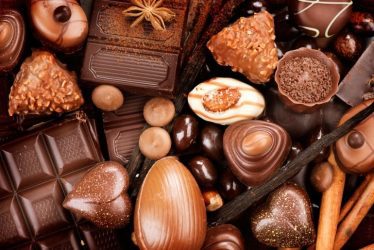
Chocolate isn’t just old, it’s astonishingly old. Scientists analysing ancient pottery discovered chemical traces of cacao dating back more than 3,000 years. Those discoveries pushed the timeline of chocolate consumption even further into the past than historians had previously believed.
Chocolate has survived thousands of years, crossed continents, sparked trade, inspired rituals and evolved from a bitter ceremonial drink into one of the world’s favourite indulgences. Yet it still manages to surprise us. This World Chocolate Day, while everyone else is busy deciding between milk, dark or white chocolate, you’ll know there’s far more packed inside that wrapper than cocoa and sugar.
Cover Image Courtesy: afloimages/Canva Pro
For more such snackable content, interesting discoveries and the latest updates on food, travel and experiences in your city, download the Curly Tales App. Download HERE.FAQs
Why is World Chocolate Day celebrated on July 7?
World Chocolate Day is celebrated on July 7 to commemorate the introduction of chocolate to Europe, although the exact historical date remains debated.
Does chocolate really contain tiny insect fragments?
Yes. Because cacao is grown outdoors, food safety authorities permit extremely small, unavoidable amounts of insect fragments in processed chocolate, as they pose no health risk.
Is dark chocolate healthier than milk chocolate?
Dark chocolate generally contains more cocoa and antioxidants, but it may also naturally contain varying amounts of heavy metals depending on where the cacao was grown and processed.
How old is chocolate?
Archaeological evidence suggests humans have been consuming cacao for more than 3,000 years, making chocolate one of the world's oldest continuously enjoyed foods.


