

Independence Day menus usually come with tricolour desserts and patriotic playlists, but some of the most powerful food stories from India’s freedom movement are very ordinary. They are the foods that sat in clay pots, village kitchens, and ashram dining halls while the Swadeshi movement was asking Indians to do something radical: stop depending on foreign goods. After the anti-partition protests of 1905 and later under Gandhi’s leadership, eating local food became a political act.
8 Swadeshi Foods That Became Symbols Of India’s Freedom Movement
1. Khichdi
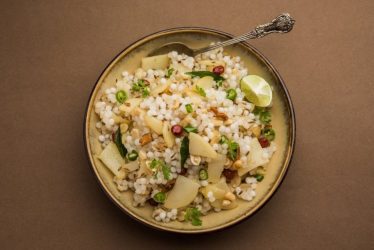
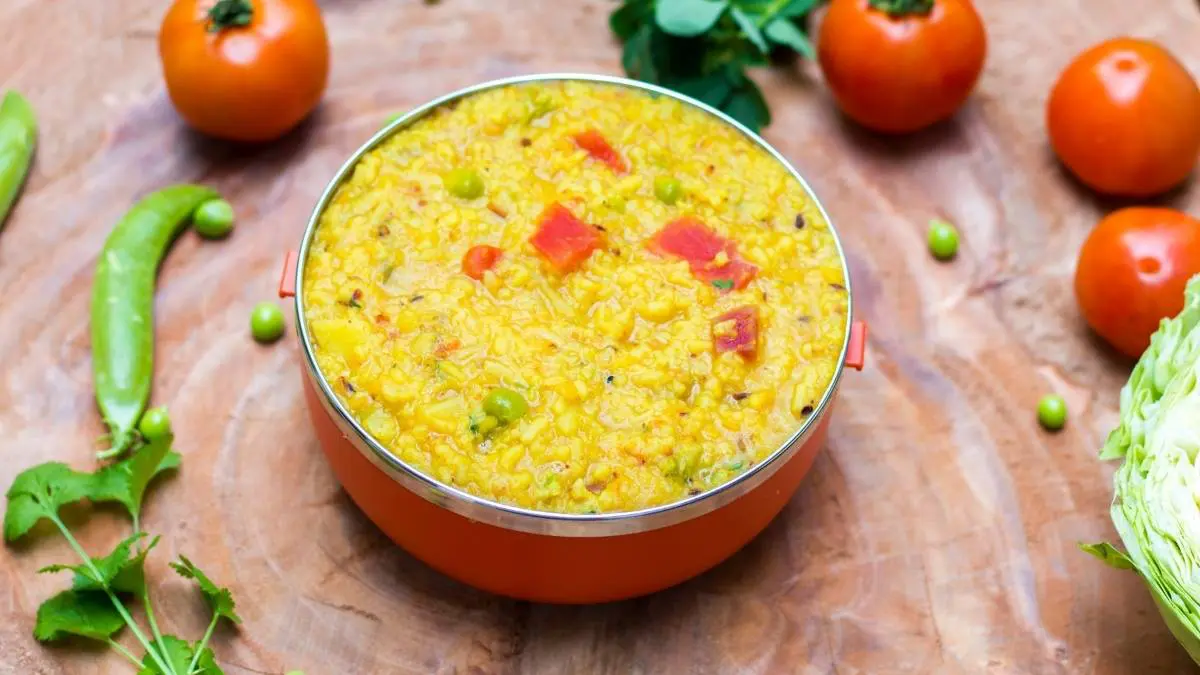
Khichdi was never invented for a revolution, but it was perfectly suited for one. Rice and lentils, grown in Indian fields and cooked without extravagance, made it the ideal food for Gandhi’s ashrams, where simplicity was treated as discipline rather than deprivation. It fed many people, wasted little, and depended almost entirely on local agriculture. In a period when imported goods were being rejected, khichdi represented a different kind of abundance and the confidence that Indian ingredients were enough.
Also Read: In Pics: Mumbai Airport Marks India’s 80th Independence Day With Stunning Tricolour Lighting
2. Dandi Salt
No ingredient changed its destiny as dramatically as salt. Before 1930, it was an everyday necessity. After the Dandi March, it became a challenge to the British Empire. Gandhi’s decision to walk to the Gujarat coast and make salt from seawater was a masterstroke because everyone, rich or poor, needed salt. The British monopoly turned a basic mineral into a taxable commodity, and breaking that monopoly turned ordinary people into participants in a national movement. A handful of locally made salt suddenly carried the weight of defiance.
Also Read: 15 Independence Day Menus Across India To Eat Your Way Through The Long Weekend
3. Bajra Roti
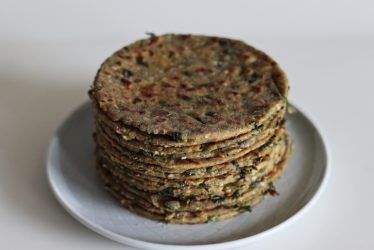
Bajra roti had long belonged to farmers, pastoral communities, and households across Rajasthan and Gujarat. During the Swadeshi years, it gained a second identity. Millets were indigenous crops that thrived in Indian conditions and required neither imported inputs nor colonial approval. Choosing bajra was a way of staying rooted in local agriculture at a time when economic dependence had become a political question. The roti itself was coarse, hearty, and very regional, which made it the opposite of the polished, imported food culture that colonial rule often privileged.
4. Jowar Bhakri
Jowar bhakri tells a story of regional resilience. In Maharashtra and parts of central India, it was the bread of dryland farmers who relied on sorghum long before nutritionists rediscovered millets. Gandhi’s emphasis on village economies gave foods like jowar a new relevance because they were produced, processed, and consumed within local communities. Bhakri was not a ceremonial dish; it was daily sustenance. That everyday quality made it powerful. A nation arguing for self-rule also had to believe that its villages could feed themselves.
Also Read: Independence Day 2026: For First Time, Vande Mataram To Be Sung Before National Anthem At Red Fort
5. Gur (Jaggery)
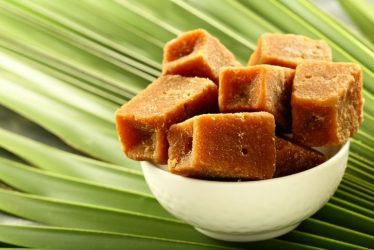
Jaggery was the sweetener of the countryside, made by boiling sugarcane juice in local processing units rather than large industrial refineries. During the Swadeshi movement, it became an easy alternative to refined sugar, which was increasingly tied to colonial trade networks and industrial production. Gur supported small producers and circulated money within rural economies. It also carried a certain cultural familiarity. Eaten with rotis, mixed into traditional sweets, or consumed after meals, it reminded people that sweetness did not need to come in imported packaging.
6. Hand-Pounded Rice
Hand-pounded rice was very much connected to Gandhi’s campaign for village industries. He criticised the spread of machine-milled rice because it displaced rural labour and weakened local economies. Traditional rice pounding employed within villages and preserved local processing practices that had existed for generations. Gandhi explicitly encouraged the revival of hand-pounded rice as part of a broader programme of economic decentralisation. Eating it became associated with supporting rural livelihoods rather than industrial systems tied to colonial commerce.
7. Mustard Oil

The smell of mustard oil is unmistakable, and during the Swadeshi years it carried economic meaning as well. Traditional oil pressing supported farmers, artisans, and village industries that were increasingly threatened by industrial imports. Using mustard oil meant sustaining local production chains that had existed for generations. In Bengal especially, where the Swadeshi movement had some of its strongest roots, everyday cooking became entangled with nationalist sentiment. The kitchen was no longer separate from politics; it was one of the places where politics was lived.
Also Read: We Are Missing These 10 Amazing Indian Foods During Monsoons
8. Whole Wheat Atta From Village Chakkis
Gandhi frequently linked food habits with economic ethics, and locally milled whole wheat flour became part of that conversation. Freshly ground atta from village chakkis supported local millers, reduced transport dependence, and kept production within rural communities. The chapati made from locally grown and locally milled wheat reflected the Independence Day belief that India’s villages should not merely produce raw materials for others but retain value through local processing and consumption.
Which of these Swadeshi food items is your favourite?
Cover Image Courtesy: imaphotographerandanartist/Canva Pro
FAQs
What are Swadeshi foods in India?
Swadeshi foods are locally grown and locally produced Indian foods that became associated with the Swadeshi movement and economic self-reliance during the freedom struggle.
Why was salt important in the Indian freedom movement?
Salt became a symbol of resistance after Gandhi’s Dandi March in 1930, which challenged the British monopoly and tax on salt.
Which Swadeshi food can still be eaten today?
Foods such as khichdi, bajra roti, jowar bhakri, gur, mustard oil, and whole wheat chapatis remain widely consumed across India today.


