


By mid-January, Tamil Nadu moves to a different clock. Mornings begin earlier, kitchens spill outdoors, and conversations return to rain, cattle, and grain. Pongal 2026, observed from January 14 to January 17, sits firmly within this seasonal shift. While it aligns with harvest celebrations across India, such as Makar Sankranti in the north and Magh Bihu in the east, Pongal remains distinctly Tamil, shaped by land, language, and long-held rural customs.
Pongal 2026 Date & Timing
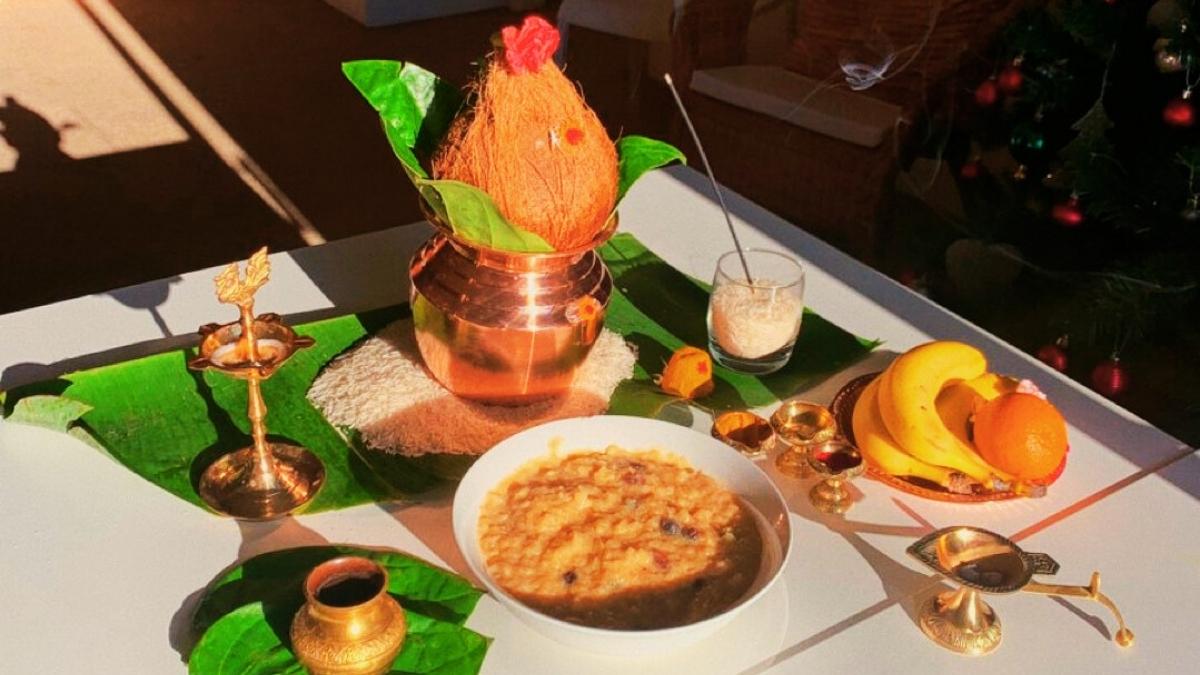
The festival’s core day, Thai Pongal, falls on January 14, 2026. As recorded in the Tamil Panchangam, the Sankranti moment occurs at 03:13 PM, when the Sun enters Makara Rasi and Uttarayan begins. Rituals, however, unfold earlier. At dawn, families place a new earthen pot over the fire, cooking freshly harvested rice with milk and jaggery. When the mixture boils over, it is welcomed, not stopped, because overflow is the point. It signals surplus, security, and a year that does not arrive empty-handed.
Also Read: This 1,300-Year-Old Temple In Tamil Nadu Is Famous For Curing Diabetes With A Unique Ritual
Why Is Pongal Celebrated?
“Pongal” comes from pongu, meaning “to rise” or “spill over,” but the festival’s meaning is grounded rather than poetic. It is a yearly acknowledgement that agriculture survives through cooperation between sun and soil, rain and labour, and humans and animals. Pongal also marks Uttarayan, a phase traditionally associated with forward movement and growth in Hindu belief. There is no myth of conquest here. Pongal celebrates survival, rhythm, and the quiet success of another harvest completed.
Four Days Of Pongal 2026
1. Bhogi Pandigai
Celebrated on the eve of Thai Pongal, Bhogi is about clearing weight; physical and symbolic. Homes are scrubbed clean, old possessions discarded, and bonfires lit at dawn. Dedicated to Lord Indra, the god of rain, the day reflects a practical truth of renewal that needs space.
2. Thai Pongal
The main day marks the first day of the Tamil month of Thai. Cooking happens under open skies, often facing the Sun. The prepared Pongal is first offered to Surya before being shared. It is more about the acknowledgement of food before the celebration.
3. Mattu Pongal
The third day centres on cattle, the quiet backbone of farming life. Cows and bulls are bathed, garlanded, their horns painted, and fed special dishes. In several regions, Mattu Pongal is linked with Jallikattu, a tradition that continues to spark debate while remaining deeply tied to rural identity.
4. Kaanum Pongal
The final day steps away from ritual. Families visit relatives, gather outdoors, share meals, and stay together, yes, just simply linger. “Kaanum” means “to see,” and the day is about reconnecting, unannounced, unstructured, and unhurried.
Also Read: 10 Winter Foods That Turn Lohri Into A Feast Worth Remembering
Thai Pongal 2026 arrives at a time when food is often detached from the field it comes from. The festival quietly resists that distance. It insists on memory of labour, of land and of dependence. In doing so, Pongal serves as a festive reminder that we must not skip amid all the celebrations: abundance is never accidental.
Cover Image Courtesy: 555UBA/X
For more such snackable content, interesting discoveries and the latest updates on food, travel and experiences in your city, download the Curly Tales App. Download HERE. First Published: January 09, 2026 7:59 PM