

Some cities are remembered through monuments. Others stay with people because of a single street! Across Asia, markets have always been more than commercial spaces. They were ports of exchange long before airports existed. Traders carried silk, saffron, tea, gemstones, perfumes, ceramics, and stories through these lanes for centuries, shaping entire cities around them. Even now, in an era of luxury malls and algorithm-driven shopping, these markets continue to feel alive in a way modern retail never quite manages.
9 Historic Asian Bazaars You Need To Visit Once
1. Chatuchak Weekend Market, Bangkok
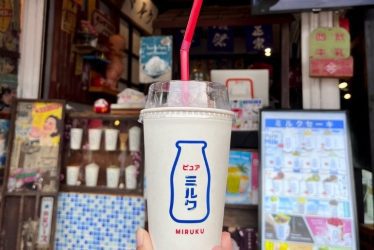
Nobody really “covers” Chatuchak in a couple of hours; people get lost in it. That is part of the experience!
Spread over roughly 35 acres in northern Bangkok, Chatuchak Weekend Market operates like an ecosystem rather than a shopping destination. More than 15,000 stalls spill into narrow passageways where the mood changes every few minutes. One lane smells of lemongrass and grilled squid; another is stacked floor-to-ceiling with vintage denim jackets from the 1980s.
There are sections dedicated entirely to tropical plants, handmade ceramics, vinyl records, pets, Thai silk, wood carvings, independent designers, antique cameras, and furniture that looks straight out of a Wes Anderson film set.
The market traces its roots to a 1940s Thai government policy that encouraged provincial markets across the country. Over time, however, Chatuchak evolved into a landmark and institution of its own in Bangkok.
Also Read: 7 Asian Destinations Perfect For Family Summer Trip In 2026
2. Chiang Mai Night Bazaar, Thailand
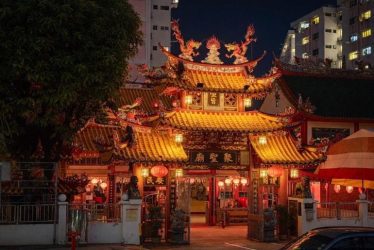
Chiang Mai’s Night Bazaar does not attack the senses the way Bangkok does. It glows instead! As evening settles over the city, lanterns switch on one by one and entire stretches of the market begin shimmering in warm amber tones.
Historically, Chiang Mai sat along important trading routes connecting northern Thailand with Myanmar and southern China, and traces of that old exchange culture still linger in the bazaar today. Hill-tribe embroidery hangs beside silver jewellery crafted using techniques passed down through generations. Handmade soaps shaped as flowers sit next to carved teakwood sculptures and hand-painted paper umbrellas.
Street musicians perform jazz standards while vendors grill skewers over charcoal fires–this market is a vibe of its own!
Also Read: 10 Must-Try Vegetarian Dishes In Thailand That Go Beyond The Usual Street Food
3. Johari Bazaar, Jaipur
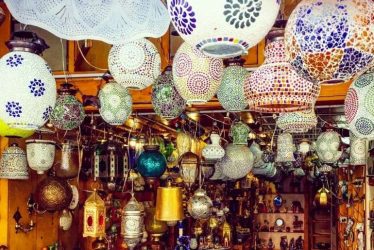
There are markets that sell jewellery, and then there is Johari Bazaar, which lives and breathes it!
Walking through Jaipur’s historic commercial district during the wedding season feels almost surreal because every shopfront seems to explode with colour at once. The market dates back to the planned urban vision of Jaipur under Maharaja Sawai Jai Singh II in the 18th century, when artisans, gemstone traders, and craftspeople were strategically settled within the city’s famous pink walls.
‘Johari’ comes from the Hindi word for jeweller, which explains why the area became synonymous with gemstones and traditional Rajasthani ornamentation. Even now, the market remains one of India’s major centres for kundan, meenakari, and polki jewellery. Beyond the jewels, entire stretches are lined with bandhani fabrics, mirror-work lehengas, lac bangles, mojris, embroidered dupattas, and textiles dyed in colours so bright they almost look digitally enhanced.
Also Read: 10 Indian Streets So Pretty They Deserve Their Own Pinterest Board
5. Grand Bazaar, Istanbul
Built shortly after the Ottoman conquest of Constantinople in the 15th century, the bazaar evolved into one of the most important commercial centres connecting Asia and Europe. Even now, entering it feels like walking into an active historical archive. Beneath painted ceilings and arched corridors, thousands of shops sell handwoven carpets, mosaic lamps, ceramics painted in Iznik patterns, spices, leather goods, calligraphy art, embroidered textiles, and rows of blue evil-eye charms hanging like tiny protective amulets.
Anyone who romanticises caravan routes, Ottoman artistry, and labyrinthine bazaars will find this place impossible to forget.
6. Damnoen Saduak Floating Market, Thailand
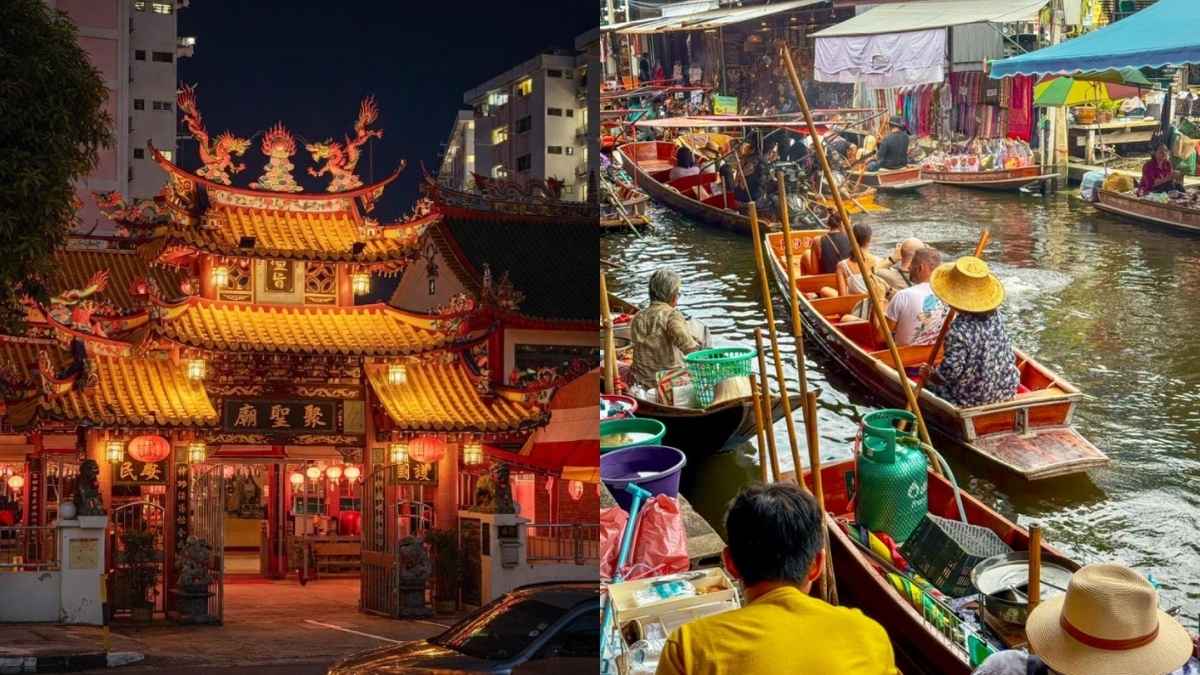
Long before highways transformed transportation in Thailand, canals were lifelines. Damnoen Saduak Floating Market still carries echoes of that older world.
Located southwest of Bangkok, the market operates directly on interconnected waterways where wooden boats drift past one another carrying mangoes, dragon fruits, coconuts, flowers, spices, noodle soups, and freshly cooked seafood. The canals themselves date back to the reign of King Rama IV in the 19th century, when large-scale waterway construction linked regional communities and boosted trade.
Anyone captivated by floating commerce, canal culture, and cinematic travel will love Damnoen Saduak.
7. Nishiki Market, Kyoto
Stretching across a narrow covered street nicknamed “Kyoto’s Kitchen,” the market has served the city for centuries, particularly as a hub for fresh seafood and culinary ingredients.
There are pickled vegetables, matcha sweets and tiny stalls that sell yuba, grilled eel, sesame crackers, fermented soy products, and regional tea blends tied closely to Kyoto’s culinary traditions. Japanese food culture places enormous emphasis on seasonality and visual aesthetics, and Nishiki reflects that philosophy almost too perfectly.
8. Temple Street Night Market, Hong Kong
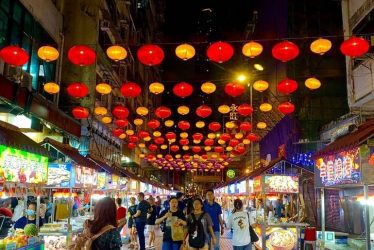
Temple Street Night Market feels straight out of a movie in the most literal sense because Hong Kong filmmakers have used its atmosphere for decades.
During Hong Kong’s rapid urban expansion in the mid-20th century, Temple Street became one of the city’s defining working-class commercial hubs, and much of that raw energy still lives. Stalls sell jade jewellery, electronics, watches, tea sets, clothing, mahjong pieces, and counterfeit luxury goods with equal confidence.
Nearby food vendors serve claypot rice, seafood noodles, and sizzling skewers while Cantonese opera singers occasionally perform along the roadside.
9. Chandni Chowk, Delhi
Chandni Chowk does not unfold all at once; it reveals itself lane by lane. Established in the 17th century under Mughal emperor Shah Jahan and designed by his daughter Jahanara Begum, the market once featured a canal running through its centre that reflected moonlight at night, giving rise to its poetic name, “Moonlight Square.”
Centuries later, it remains one of India’s most happening commercial districts. Khari Baoli sells mountains of spices stacked in vivid reds and yellows; Dariba Kalan specialises in silver jewellery; and Nai Sarak overflows with books and stationery. It carries traces of Mughal Delhi, colonial trade, partition history, and modern street culture all at once.
Also Read: 15 Best Places For Gajar Ka Halwa In Delhi That Feel Like Winter In A Bowl
Markets reveal cities more vividly than skylines do! They expose what people eat, wear, collect, celebrate, and value. So, which one would you want to visit first?
Cover Image Courtesy: heypaone/X and lXSeSVt9xkzgdGe/X
For more such snackable content, interesting discoveries and the latest updates on food, travel and experiences in your city, download the Curly Tales App. Download HERE.FAQs
Which are the most famous markets in Asia?
Some of the most famous markets in Asia include Chatuchak Weekend Market in Bangkok, Grand Bazaar in Istanbul, Chandni Chowk in Delhi, Nishiki Market in Kyoto, and Chiang Mai Night Bazaar in Thailand.
What is special about Chatuchak Weekend Market?
Chatuchak Weekend Market in Bangkok is one of the world’s largest markets with more than 15,000 stalls selling clothing, antiques, plants, food, art, pets, furniture, and local crafts.
Which Asian market is best for food lovers?
Nishiki Market in Kyoto, Chandni Chowk in Delhi, and Temple Street Night Market in Hong Kong are famous for regional food, snacks, spices, street food, and culinary traditions.
Which Asian market is best for jewellery shopping?
Johari Bazaar in Jaipur is especially famous for gemstones, kundan, meenakari, polki jewellery, lac bangles, and traditional Rajasthani craftsmanship.


