
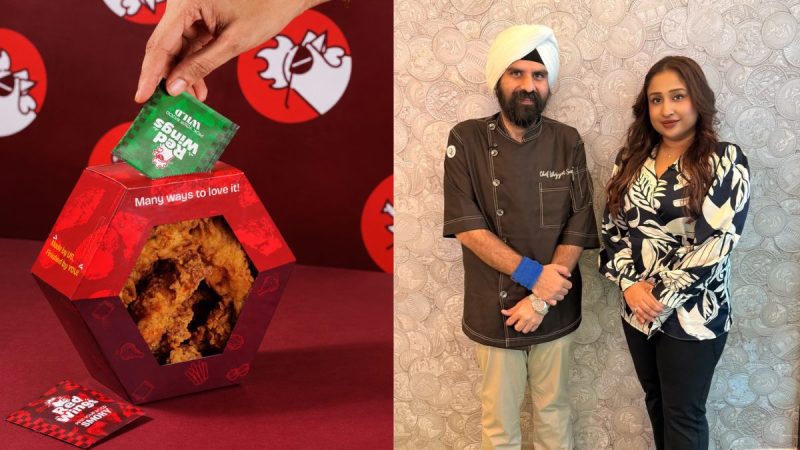
Chef Ishijyot Suri’s culinary journey goes beyond the kitchen, spanning restaurant concepts, tea blending and innovative food products. In this interview, he shares the inspiration behind Mulk, what sets his UAE cloud kitchen brands Red Wings and Nawab Biryani House apart, and his plans to explore new culinary combinations. From the importance of preserving a dish’s identity to his favourite comfort foods and the underrated Multani Dal, discover the ideas, experiences and ambitions shaping his next chapter in the UAE.
You started your career with the Taj Institute before moving into restaurant operations and entrepreneurship. So when did you realise you wanted to build your own food brand rather than focus on being a chef?
I give all the credit to my grandparents. We had a boarding-and-lodging hotel in Bombay, and my grandfather once ran a restaurant that he shut down because the food didn’t meet his standards. He taught me that the kitchen is king. You can renovate the ambience and delegate management, but good, consistent food is what brings customers back.
That philosophy inspired me to pursue this path. At the Taj, Chef Ananda Salman reinforced the same lesson: your business is only as strong as your presence in the kitchen. Even today, I make it a point to cook at least one dish every day, whether for myself, my team or our guests.
Having explored restaurants, tea blending and packaged products, do you see yourself as a chef or an entrepreneur who became a chef?
I should thank my stars for becoming a chef. Everything else has been a by-product of that journey. Being a chef gives people a reason to trust what I say, so I believe in researching and understanding products before speaking about them. With guidance from Chef Ranveer and Chef Vikas, I explored areas such as tea blending and even earned a tea sommelier certification to deepen my knowledge.
Over time, I realised there were gaps in the food ecosystem, so I began looking at ways to provide solutions beyond the kitchen. With products like ready-to-eat food, my goal is never to replace a chef, but to complement their work by saving time and effort while keeping ownership of the dish with them.
What has been one of your most memorable SGI gourmet projects, and what made that experience particularly special for you?
View this post on Instagram
Setting up Mulk was one of my most memorable projects. I call it my first baby because it was my first full-fledged restaurant, where I invested significant time in research. I reimagined the dishes with inspiration from traditional recipes, including those passed down by my grandmother and other home cooks. What makes Mulk special is that everything, from the food to the decor, reflects the idea of an undivided India. I wanted people to feel that Mulk belongs to them.
How do you create food concepts that appeal to Dubai’s diverse audience while preserving each dish’s culinary identity?
My culinary education has been a major support system in developing concepts for diverse audiences. While my identity is rooted in North Indian cuisine, I believe a chef should keep learning rather than limit themselves to one cuisine. I focus on preserving the original cooking methods and techniques that define a dish’s identity. Whether cooking over charcoal, on a lava stone, or sous vide, I ensure the method stays true to the dish. For me, that is how we appeal to different palates without losing culinary authenticity.
What differences have you noticed between building a food business in India and the UAE, and what misconceptions about the Middle East market would you challenge?
The UAE is an open, welcoming market where I can experiment and establish myself as a global chef. Consumers here are knowledgeable about food, so it’s important to understand your offerings and stand by what you serve. I’ve also realised that building a business here starts with becoming part of the community. Rather than simply creating buzz with a restaurant launch, we’re starting with a cloud kitchen so people can experience our food and flavours before we expand into the QSR space.
What distinguishes the Red Wings and the Nawab Biryani House from the other delivery brands which are in the UAE?
View this post on Instagram
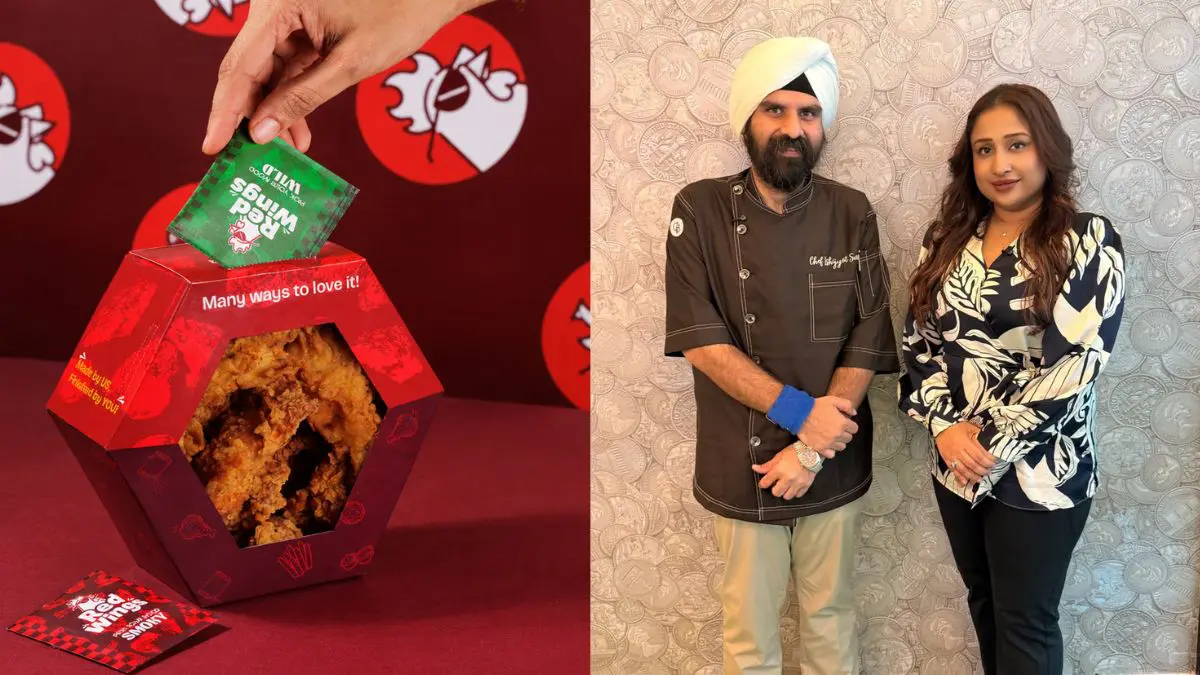
Red Wings stands out with its interactive dining concept. We prepare the chicken, and customers finish it themselves using specially designed seasoning sprinkles based on their moods. The subtle smoky flavour profile appeals to regional tastes while keeping the chicken crunchy during delivery. Another differentiator is our signature dunk sauce, which is designed to be messy but full of flavour. Our philosophy is simple: we create the dish, but the customer completes the experience.
Nawab Biryani House will offer a variety of biryanis, including Lucknowi, Hyderabadi, butter chicken, and Afghani. For me, biryani is a celebration. My research in the UAE shows that people enjoy biryani as both a staple and for special gatherings. We aim to create a unique experience through our presentation and packaging. As a cloud kitchen, our packaging will set us apart and make the experience memorable even before customers taste our dishes.
With Red Wings and Nawab Biryani House launching as cloud kitchens, how will you maintain restaurant-quality food, consistency and a memorable customer experience through delivery?
Sameer (Sameer Musale, his business partner) and I have a simple rule: we taste our food after 50 minutes to simulate the delivery experience. We test ingredient quality, how well the food retains moisture, and how it tastes after reheating in a microwave, making adjustments to get as close as possible to a restaurant-quality experience.
We also develop our own spices in-house rather than using ready-made blends. Our goal is to deliver consistent quality while giving customers flavours they can recognise and remember.
How does social media influence your menu creation, or do you prefer to let the food speak for itself?
Social media helps create that first purchase by making food look different and exciting, but my job is to ensure customers return because the food is good. I focus on how a dish is presented and how we guide people to eat it. Sometimes, even a small change in ingredient order can improve the experience. For example, adding boondi to pani puri at the end helps retain its crunch. I believe the ingredients are already there; it’s about understanding the right techniques, timing and combinations to bring out their best.
What is one current food trend you find genuinely interesting, and what is one trend you believe chefs should approach with caution?
I find small plates a genuinely interesting trend because they encourage people to try different dishes and give chefs more opportunities to showcase their creativity. As for a trend to approach with caution, I would say ube. Like matcha, it has become popular across beverages, starters and desserts, but I believe it should be used in moderation rather than added to everything. Some products will remain popular, while others will gradually evolve into more specific offerings. The key is using a trend without overdoing it.
If a first-time visitor had just one meal across your portfolio, which three dishes would you tell them to order?
I would first ask whether they prefer vegetarian or non-vegetarian food. For vegetarians, I’d recommend Multani paneer, our vegetarian haleem kebab made with soya, and maa ki daal, which I consider a benchmark for any Indian restaurant. Broccoli is another dish worth trying when cooked well. For non-vegetarians, the must-tries are the Darbari kebab, a chicken shell filled with minced meat, and, of course, biryani.
Outside the professional kitchen, what kind of food do you gravitate towards when you want a simple, comforting meal?
Outside the professional kitchen, shawarma is my go-to comfort food, along with tandoori chicken. I could happily eat tandoori chicken for breakfast, lunch and dinner. Having grown up eating it, I believe Punjabis have a special understanding of how to get its flavours just right.
Which dish on your menus deserves to go viral but hasn’t yet?
View this post on Instagram
Our Multani Dal, also known as brown onion dal, deserves more recognition. Made with moong dal and brown onion tadka, it has a darker colour and a distinctive depth of flavour. Guests love it and often order it alongside our classic black dal. It’s currently available at Mulk, and we hope to introduce it in Dubai soon.
What is the most unusual request you’ve received from a guest?
One guest once asked me to serve our bharwan mushroom without the mushroom, which made me laugh. He just wanted the stuffing inside, without the mushroom itself!
What is the one dish from your childhood that can still take you straight back home?
Rajma Chawal takes me straight back to my childhood. It was a Sunday ritual at home, and even today, my mum and wife make it better than I ever could
Rapid Fire With Chef Ishijyot Surri
1. Biryani or pizza?
Biryani.
2. Street food or fine dining?
Street food.
3. Spicy or mild?
Spicy.
4. Coffee or chai?
Coffee.
5. Dubai or Delhi for a food crawl?
Dubai, especially Global Village.
6. One cuisine you could never get bored of?
Indian.
7. Chef’s table or street food?
Chef’s table.
8. First thing you eat after a busy service?
Cucumber and papad, since they’re always on my counter. When I’m too exhausted for a proper meal, they’re my go-to snack.
With Red Wings and Nawab Biryani House marking his next steps in the UAE, Chef Ishijyot Suri is looking to turn his culinary ideas into experiences that resonate with a diverse audience.
Cover Image Courtesy: Supplied
FAQs
What is Red Wings?
Red Wings is a cloud kitchen concept that lets customers customise their chicken with seasoning sprinkles and signature sauces.
What is Nawab Biryani House known for?
Nawab Biryani House offers a range of biryanis, including Lucknowi, Hyderabadi, butter chicken and Afghani varieties.

