
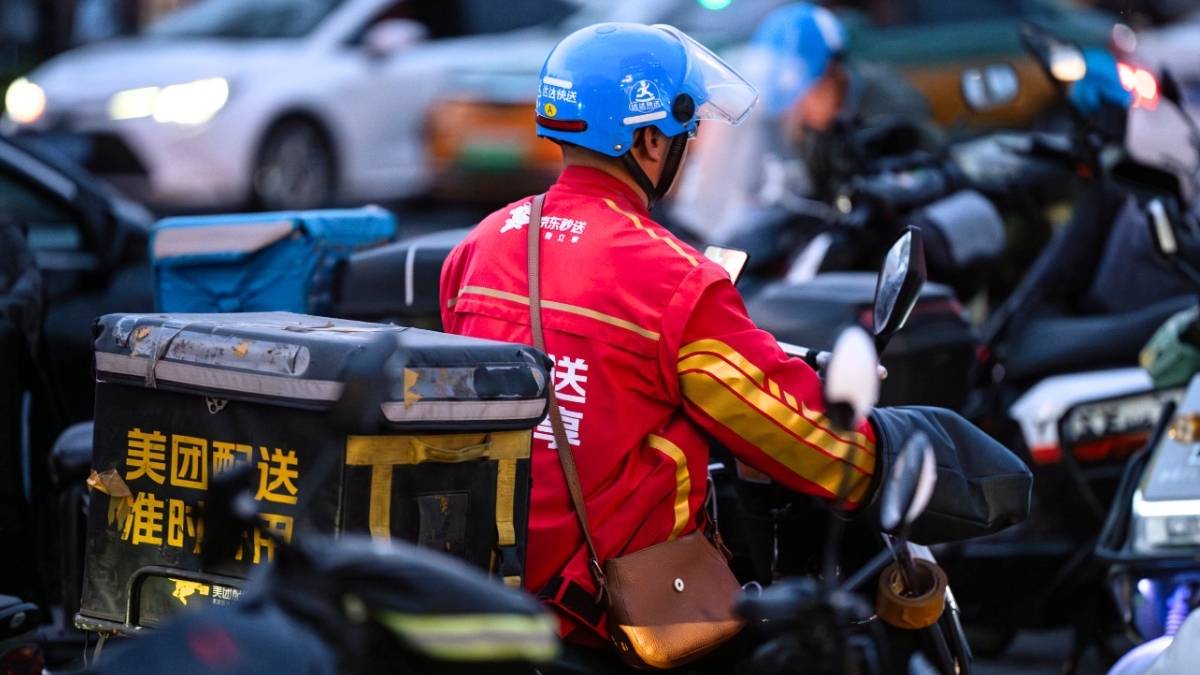

When it comes to enjoying our favourite dishes, we don’t always visit restaurants; we simply order online. But is the system as transparent behind the scenes as it looks on our screens? A recent crackdown in China’s food delivery sector has exposed a massive network of fake restaurants, raising serious concerns. Read on to know more!
What Is Ghost Delivery In China?
China’s food delivery scene is booming, but right now, it’s also under serious discussion. According to Moneycontrol, authorities have taken strict action and imposed penalties worth around $500 million on big e-commerce and delivery platforms. And honestly, it makes sense, because what they found is pretty shocking. A huge number of “ghost vendors” were operating without proper licences or even a real physical setup.
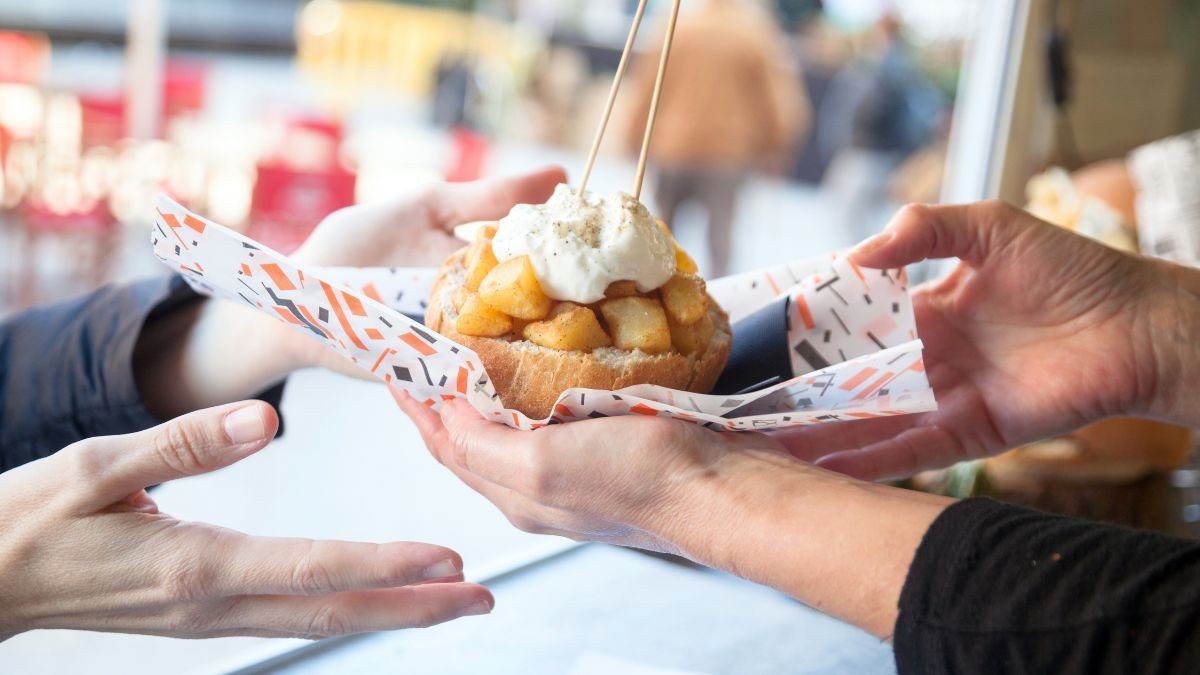
Now here’s the tricky part. These “ghost deliveries” are basically restaurants that only exist on your phone screen. They look completely legit while you’re scrolling, nice pictures, good ratings, but in reality, there’s no actual outlet behind them. Many of these sellers use fake or borrowed licences just to get listed. And once you place an order, it might not even come from the place you think it is. It often gets passed on to some random kitchen or a third-party operator, without you even knowing.
Also Read: Travel To China Made Easier As Air China Resumes Delhi–Beijing Direct Flights
How Did The Scam Come To Light?
This scam came into everyone’s notice after one complaint. Moneycontrol reported that a man in Beijing ordered a birthday cake online, expecting something nice. But what he got instead was a cake topped with an inedible flower. That’s when things started to feel off. Authorities stepped in to check, and what they found was honestly shocking. The brand claimed it had hundreds of outlets, but in reality, there wasn’t even a single proper store. Everything was running on fake licences.
And that one case opened a much bigger mess. When regulators dug deeper, they found over 67,000 such “ghost vendors.” Even more surprising? These vendors had already sold more than 3.6 million cakes.
Big platforms like Taobao, JD.com, Meituan, Pinduoduo, and Douyin also came under the scanner. Authorities said these companies didn’t properly verify sellers before listing them. Among them, Pinduoduo faced the biggest hit. It had to pay around $219 million in fines.
What’s even more surprising is how this whole system actually worked. In one case, a customer paid $35 (₹3,298) for a cake. But the order was passed around and finally made by someone who charged just $11.2 (₹1,055). The rest of the money? Taken by middlemen.
Also Read: What Is China’s ‘Plastic-Eating’ Weight Loss Trend? Is It Worth The Effort?
Cover Image Courtesy: X/@ShanghaiEye
FAQs
What is ghost food delivery?
Ghost delivery is when food orders come from fake or unverified online restaurants that have no real physical outlet.
How much fine was imposed after the crackdown on ghost delivery?
Around $500 million in total fines were imposed on major e-commerce and food delivery platforms after the crackdown.
How food was delivered under ghost delivery in China?
Under ghost delivery, orders placed on apps were secretly passed to third-party kitchens or vendors instead of the listed restaurant.


