
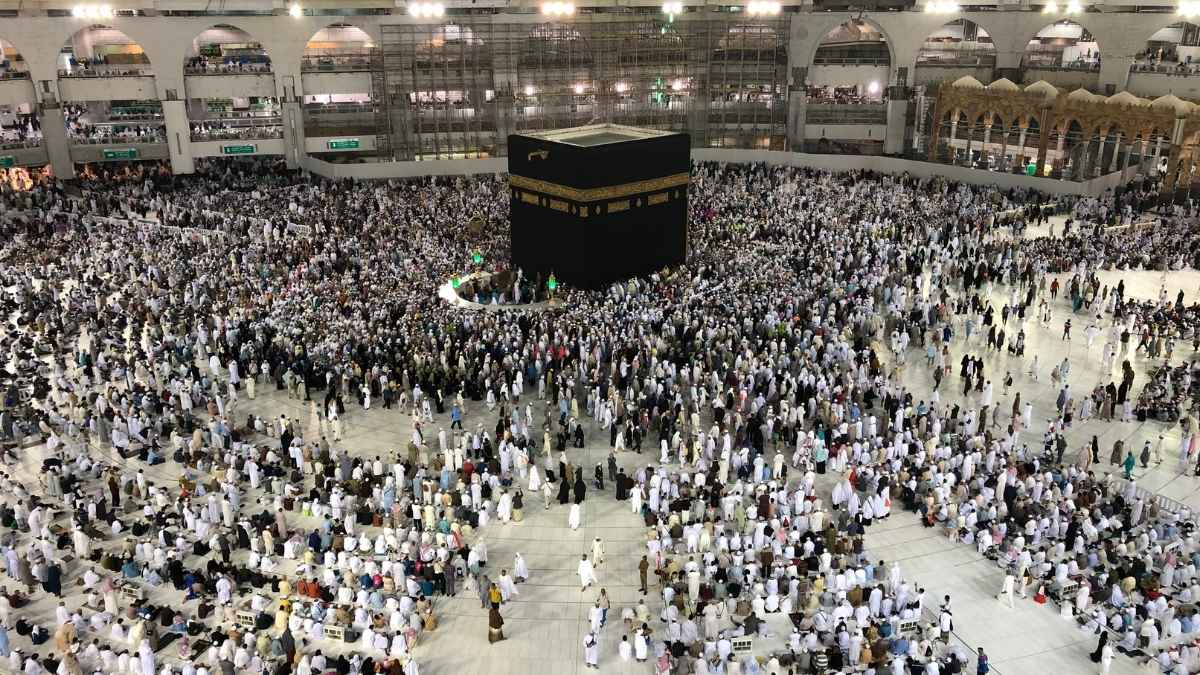

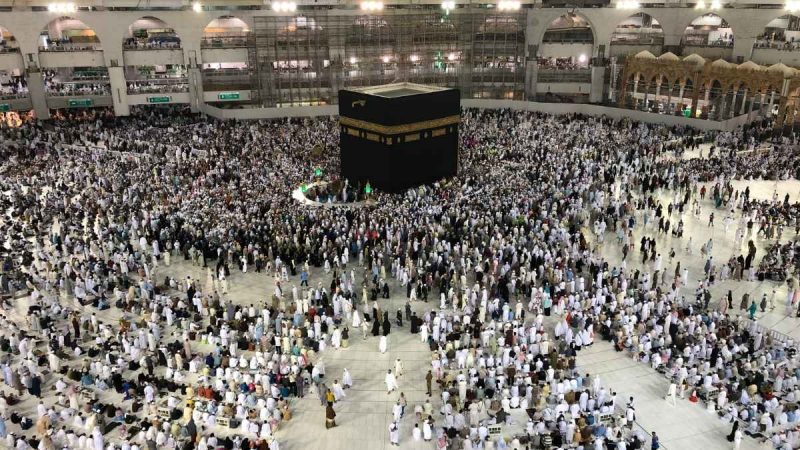
With the Hajj season getting closer, people across the UAE are already searching for travel packages, visa help and last-minute bookings online. But along with genuine offers, there’s also a wave of scams popping up again. And some of them look very convincing. Dubai Police has warned residents to be extra careful after noticing an increase in fake Hajj and Umrah deals online. According to officials, scammers are using social media ads, fake websites and copied company pages to trick people into handing over money and personal details.
Dubai Police Warn Residents About Fake Hajj Deals Circulating Online
#أخبار | شرطة دبي تُحذر من الوقوع ضحية لإعلانات حملات الحج الوهمية
التفاصيل: https://t.co/C7nf0jb97K#كن_واعيا_للاحتيال#الاحتيال_الإلكتروني pic.twitter.com/wOPjUwQfbZ
— Dubai Policeشرطة دبي (@DubaiPoliceHQ) May 12, 2026
A lot of the offers look tempting at first glance. Cheap prices. “Guaranteed” bookings. Fast-track visas. Some even promise confirmed permits within days, which honestly should already sound suspicious. For many families, Hajj is something they save up for over years. So when a package suddenly appears online for a much lower price than everyone else, it grabs attention immediately.
The Cheap Deals Are Pulling People In
That’s exactly what scammers are counting on. Dubai Police say fraudsters usually ask victims to transfer advance payments first. They claim it is needed to secure hotel reservations, transport or visa approvals. But once the money is sent, the people behind these accounts disappear completely.
No tickets, no bookings and no response. And because the conversations often happen through messaging apps or unofficial websites, recovering the money later becomes difficult.
Fake Accounts Are Getting Harder To Spot
What makes things worse is how polished some of these fake campaigns look now. Authorities say scammers are copying logos, photos and branding from real travel companies to make their pages appear genuine.
Some accounts even pretend to represent known institutions. Also, many of these fake ads start spreading heavily just before the Hajj and Umrah periods because that’s when demand increases, and people rush to book quickly.
It’s a pretty simple trap. Create urgency, offer a massive discount and push people to pay fast before “slots run out”.
Also Read: Hajj Visa Vs Umrah Visa: What Indian Pilgrims Should Know Before Starting Their Journey
Dubai Police Say Stick To Approved Operators
Police are urging residents not to book through random social media pages or unknown travel agents, no matter how attractive the package sounds.
Instead, authorities say people should only deal with officially licensed and approved Hajj and Umrah operators. Taking a few extra minutes to verify a company properly could save someone from losing thousands of dirhams later.
That said, scammers usually rely on excitement and panic more than technology. Once people slow down and double-check things carefully, these fake offers become easier to spot. Still, every year, someone falls for them.
Cover Image Courtesy: Canva Pro/Mo7sen Mohammad
For more such snackable content, interesting discoveries and the latest updates on food, travel and experiences in your city, download the Curly Tales App. Download HERE.
FAQs
How are fake Hajj deal scams usually shared?
Most scams appear through social media ads, messaging apps or fake travel websites.
What do scammers normally promise?
They often advertise cheap Hajj packages, urgent visas or guaranteed bookings at unusually low prices.
Are these scams common before Hajj season?
Yes. Authorities say these fraud attempts usually increase in the weeks leading up to Hajj and Umrah travel periods.


