
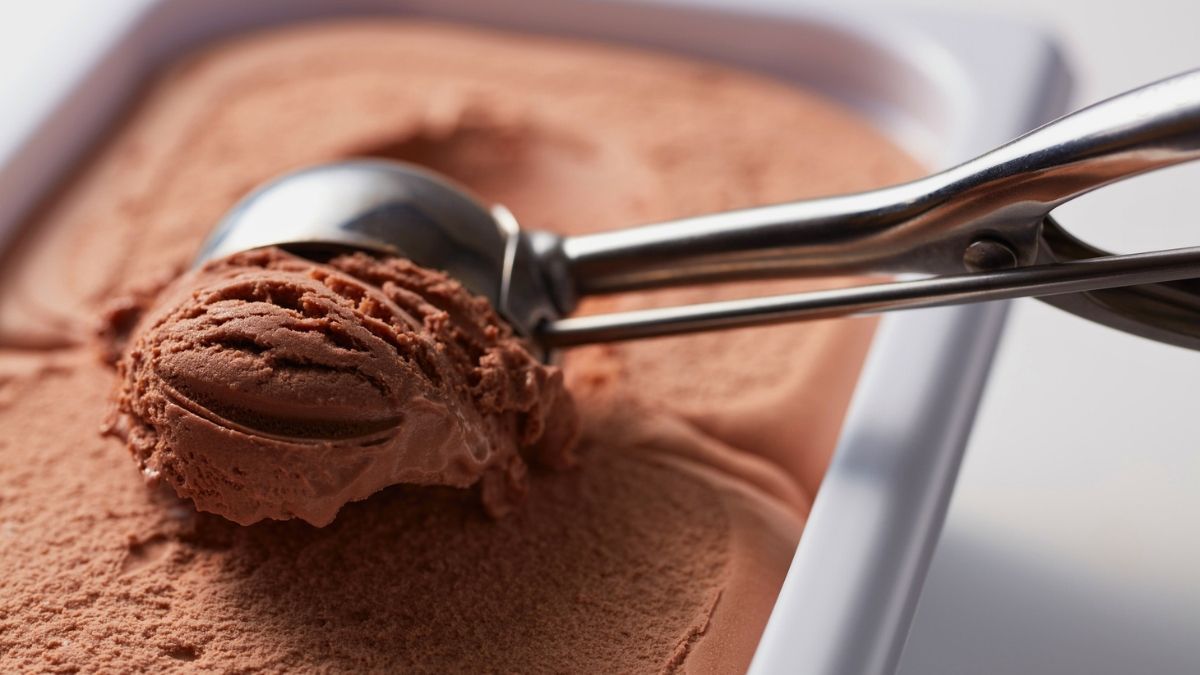



Have you noticed the small jug or container of water in which servers dip ice cream scoops between flavours? While this helps remove leftover ice cream and prevents flavours from mixing, the same water can become a hygiene concern if it is not replaced regularly. Dr Deepa Bhajekar recently highlighted this commonly overlooked food hygiene issue on the All That Matters podcast. She explained how coliforms and other bacteria may multiply in stagnant water, particularly when containers and serving equipment are not cleaned properly.
Why Can Scoop-Cleaning Water At Ice Cream Places Be A Hygiene Risk?
Dr Deepa Bhajekar highlighted how when servers repeatedly dip scoops into the same container, leftover ice cream, food particles and microorganisms can accumulate in the water. If it remains unchanged for long periods, it can become a potential source of bacterial contamination.
Coliforms are a group of bacteria often used as indicators of possible contamination. While their presence does not automatically mean harmful pathogens are present, it can point towards poor sanitation practices.
This is not just a concern at roadside ice cream stalls. Even established ice cream parlours use containers of water to rinse scoops between servings. The important factor is whether they follow proper cleaning and water-replacement practices.
Also Read: Karnataka’s Famous Sweet, Belagavi Kunda, Is Now An Ice Cream! Where You Can Get It?
What Can You Do To Avoid This Hygiene Risk?
Dr Deepa Bhajekar’s discussion on the All That Matters podcast highlights how even a seemingly harmless everyday practice can raise food safety concerns. Now, you do not necessarily have to stop enjoying your favourite ice cream, but a little attention to hygiene can help.
- Check the water: Look at the container in which the scoop is dipped. Cloudy water, visible residue or floating particles are warning signs.
- Choose hygienic outlets: Check whether the counter, serving utensils and ice cream storage areas are clean and well maintained.
- Look for fresh water: Vendors and parlours should replace rinse water frequently and use clean, potable water.
- Don’t ignore poor hygiene: If the overall food-handling practices look questionable, consider choosing another outlet.
Food businesses should ensure that scoop-cleaning water is changed frequently, containers are cleaned regularly and serving equipment is properly washed and sanitised. Using potable water and following good food-handling practices can help reduce the risk of cross-contamination.
Also Read: Ben & Jerry’s Built A Graveyard For Discontinued Ice Creams, And It’s Weirdly Iconic
So, the next time you order your favourite scoop, pay attention not just to the flavours but also to how it is served.
Cover Image Courtesy: Canva Pro/Aflo Images
FAQs
Why is the water used to clean ice cream scoops a hygiene concern?
Repeatedly dipping scoops into the same container can introduce leftover ice cream, food particles and microorganisms into the water. If it is not changed regularly, bacterial contamination can become a concern.
What are coliform bacteria?
Coliforms are a group of bacteria commonly used as indicators of possible contamination. Their presence can point towards poor sanitation, although it does not automatically mean harmful pathogens are present.
How can ice cream vendors prevent bacterial contamination?
Vendors should use clean, potable water, replace rinse water frequently, wash and sanitise scoops properly and maintain clean serving equipment.


