
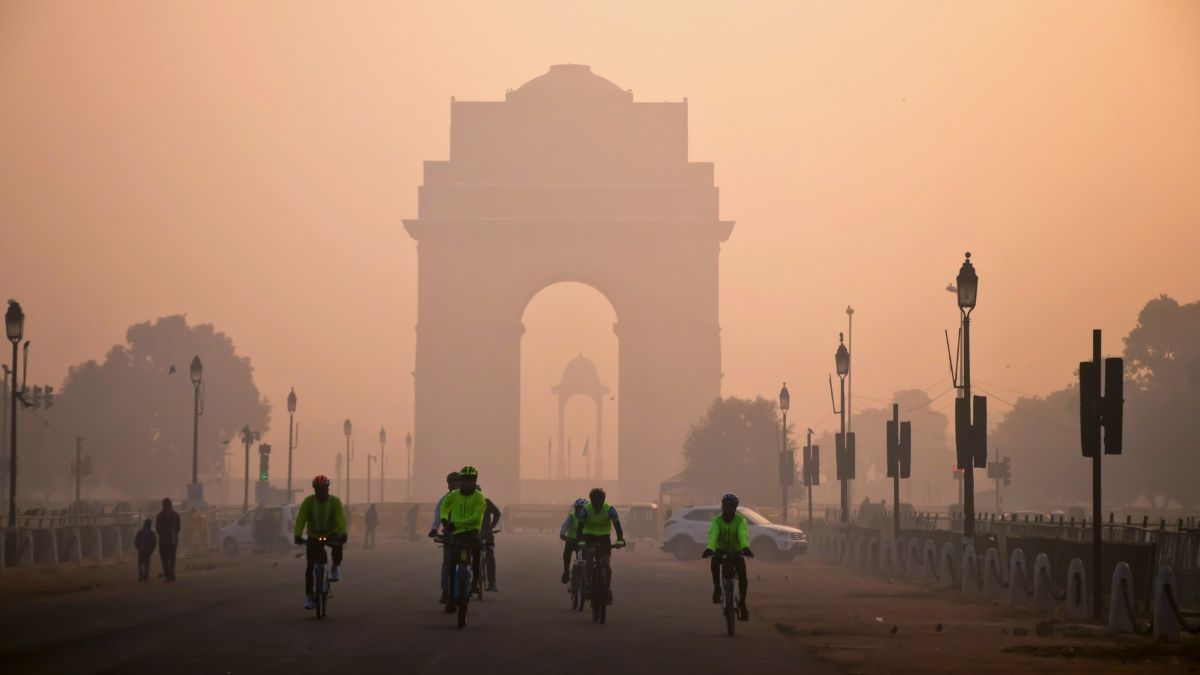



Delhi’s air pollution is back in the spotlight, and if you live in the capital or the surrounding NCR areas, there are a few new restrictions you should know about. On October 21, the Commission for Air Quality Management (CAQM) invoked Stage 1 of the Graded Response Action Plan (GRAP) across Delhi-NCR after the city’s Air Quality Index (AQI) reached 244, placing it in the ‘poor’ category. With winter approaching, the move aims to prevent air quality from deteriorating further. But what exactly changes under GRAP-1? Here’s a look at the rules for vehicles, construction sites and more.
What Is GRAP-1 And When Does It Come Into Force In Delhi-NCR?
The GRAP is a set of measures implemented across Delhi-NCR to tackle rising air pollution. It has four stages, with restrictions becoming stricter as air quality worsens.
According to NDTV, GRAP Stage 1 is triggered when the AQI falls in the ‘poor’ category, between 201 and 300. Stage 2 applies when the AQI reaches 301–400, Stage 3 when it is between 401 and 450, and Stage 4 when it crosses 450.
With Delhi’s AQI reaching 244 on Wednesday afternoon, authorities have activated the first stage of the plan for the season.
Also Read: Delhiites, Get Ready! Hot Air Balloon Rides Return On Nov 14 With 20% Off On Tickets
What Are The Rules For Cars Under GRAP-1?
If you drive in Delhi-NCR, vehicle-related restrictions are among the key measures to keep in mind. According to the current report, diesel vehicles older than 10 years and petrol vehicles older than 15 years will be barred from operating.
Authorities will also step up checks on vehicles that visibly contribute to pollution. These measures are intended to curb emissions as air quality begins to worsen during the winter months.
Construction Activities Face Dust-Control Rules
Construction dust is another major concern when it comes to air pollution. Under GRAP-1, labour-intensive construction activities that do not have adequate dust-mitigation measures in place will be prohibited.
Water sprinkling will be mandatory at construction sites, while anti-smog guns and other dust-suppression measures will be used more extensively during road construction, widening, repairs and maintenance work. Authorities will also focus on mechanised road sweeping and the proper disposal of collected dust.
Roadside Eateries Cannot Use Coal Or Wood
Love stopping at your favourite roadside food stall? There is another restriction to note. Under GRAP-1, roadside eateries and commercial kitchens will be prohibited from using coal or wood as fuel. They will instead have to use electricity, gas-based appliances or other permitted cleaner fuels.
The plan also calls for an immediate stop to garbage burning, stricter waste management and tighter monitoring of diesel generator sets, which cannot be used as a regular source of power where the applicable restrictions prohibit it.
Also Read: Delhi Pollution: 5 Foods To Help You Stay Healthy Amid High AQI
For now, the focus in the Capital is on controlling dust, reducing emissions and preventing pollution levels from rising further. Hopefully, Delhi fares better this year — fingers crossed!
Cover Image Courtesy: Canva Pro/undefined undefined (representative image)
FAQs
What is GRAP-1 in Delhi-NCR?
GRAP-1, or Stage 1 of the Graded Response Action Plan, is the first level of pollution-control measures implemented when air quality enters the ‘poor’ category. It aims to prevent pollution levels from worsening.
What is the AQI range for GRAP-1?
GRAP-1 is triggered when the Air Quality Index (AQI) falls between 201 and 300, which is classified as ‘poor’ air quality.
Are schools and offices closed under GRAP-1?
GRAP-1 does not automatically require schools or offices to close. Any changes to their operations would depend on separate government directions and the prevailing situation.


