
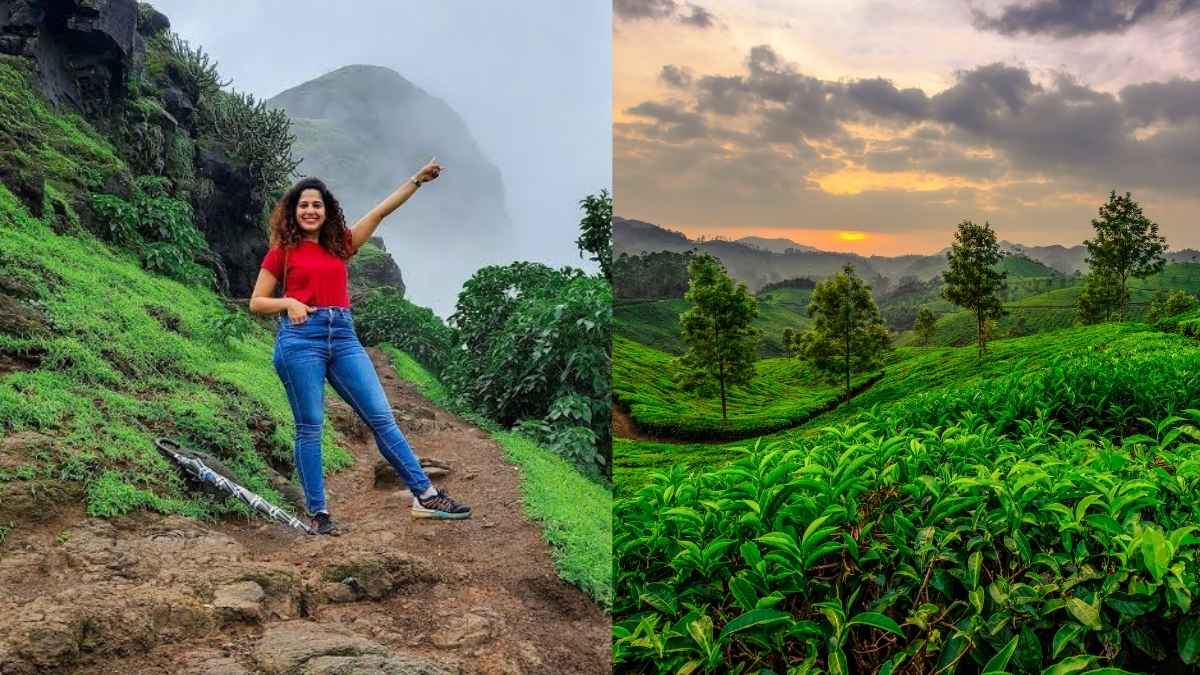


Every year, there comes a moment when India seems to exhale after its first proper rain. Some destinations, though, don’t just get greener; they become almost unrecognisable. If you’re planning a trip once the monsoon makes its entrance, these are the best places to visit where you’ll see the biggest transformation.
8 Best Places To Visit In Monsoon That Transforms After Rain
1. Munnar, Kerala
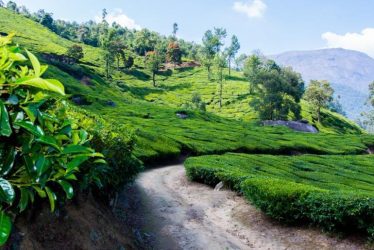
Munnar never really stops being beautiful, but the first spell of rain turns the hill station into a giant patchwork of emerald tea gardens! The slopes look freshly washed, low clouds weave between plantations, and every bend on the road seems to reveal another waterfall that wasn’t there a week ago.
Spend time at Eravikulam National Park or stop by Mattupetty Dam for boating, drive up to Top Station for panoramic views and don’t skip Attukad Waterfalls, which become especially glorious after rainfall.
Also Read: Kerala’s Munnar May Introduce A Tourist Entry Fee From August; Check All Deets Here
2. Valley of Flowers, Uttarakhand
This isn’t a place you casually stumble upon! It is too beautiful to behave casually with. The Valley of Flowers opens during the monsoon, when melting snow and seasonal rain create perfect conditions for hundreds of Himalayan wildflowers to bloom together. Pink primulas, blue poppies, orchids and countless alpine flowers spread across the valley.
The trek begins from Govindghat, passes through Ghangaria and eventually leads into a landscape that changes every few metres. If you have an extra day, continue to Hemkund Sahib, one of the world’s highest gurudwaras.
Also Read: 10 Indian Treks Ranked On Difficulty Levels To Test Your Mountaineering Skills
3. Coorg, Karnataka
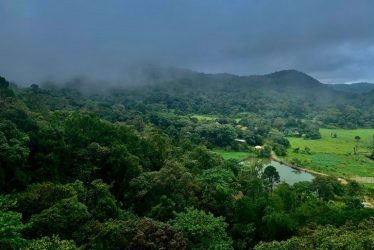
The smell reaches you before the scenery does, and you’ll be glad it did!
Rain falling over coffee plantations creates an earthy aroma that’s uniquely Coorg. The estates glisten after every shower, and pepper vines climb trees.
Abbey Falls is at its roaring best, Raja’s Seat offers sweeping valley views, and Talacauvery marks the sacred origin of the River Kaveri. Visit Dubare Elephant Camp if you’re travelling with family, explore local plantations, or simply spend an afternoon in a cafe sipping freshly brewed coffee while rain taps against the windows.
4. Cherrapunji, Meghalaya
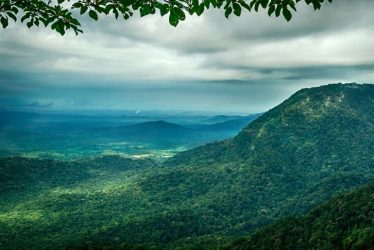
There are places where rain interrupts your holiday; Cherrapunji is where rain is the holiday. The landscape here thrives on rainfall. Waterfalls pour down cliffs that seem impossibly tall, thick forests cling to limestone hills, and clouds drift so low they occasionally erase entire valleys from view.
The Double Decker Living Root Bridge remains the region’s greatest marvel, patiently shaped over decades by local Khasi communities. You must add Nohkalikai Falls, Mawsmai Cave and Seven Sisters Falls to your itinerary, then leave enough time to simply stand still and watch the weather perform its daily performance.
Also Read: 9 Mountain Towns In India That Feel Straight Out Of A Painting
5. Agumbe, Karnataka
Known as one of India’s wettest places, this Western Ghats village turns into a living rainforest after the first showers.
Barkana Falls crashes nearly 850 feet into the valley below, and Agumbe Sunset Point offers marvellous views whenever the clouds briefly decide to part. Wildlife enthusiasts also visit the Agumbe Rainforest Research Station, famous for its work on the elusive King Cobra.
6. Amboli, Maharashtra
Locals often joke that every roadside becomes a waterfall during peak rains here.
Amboli Waterfall draws most visitors, but Kavalesaad Point, Hiranyakeshi Temple and Mahadevgad Fort are equally rewarding. The region is also known among herpetologists for its remarkable amphibian and reptile diversity during the rainy season.
7. Mount Abu, Rajasthan
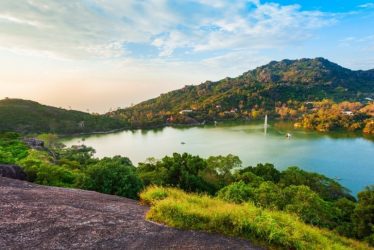
Green isn’t the first colour people associate with Rajasthan, which is exactly why Mount Abu feels like such a (beautiful) surprise.
Once the rains arrive, the Aravalli hills soften. Nakki Lake fills up, forest trails become pleasant walking routes and viewpoints begin disappearing behind curtains of drifting mist.
Start with Guru Shikhar, the state’s highest peak, then explore the intricate marble carvings inside the Dilwara Temples. Trevor’s Tank attracts birdwatchers, while Toad Rock remains one of the easiest viewpoints to reach for sunset, assuming the clouds cooperate.
Also Read: 8 Short Trips From Delhi Within 300 Km Covering Hills, Wildlife And Heritage Spots
8. Satpura National Park, Madhya Pradesh
Monsoon changes the mood of Satpura more than its appearance.
The forests grow denser, rivers swell, and the entire landscape feels quaint, broken only by birdsong and the sound of flowing water. While core safari zones often remain closed during heavy rains, the surrounding Satpura region is still worth exploring.
Pachmarhi becomes the perfect base, with Bee Falls, Duchess Falls, Pandav Caves and scenic viewpoints scattered across the plateau. Boat rides on the Denwa River, nature walks, and leisurely drives through rain-drenched forests reveal a side of central India many travellers overlook.
Also Read: Why Is The Twin Elephant Birth In Jim Corbett National Park A Rare Wildlife Event?
So, which of these Monsoon places to visit got your attention?
Cover Image Courtesy: ashokswaroopkallada/Canva Pro and Internal
For more such snackable content, interesting discoveries and the latest updates on food, travel and experiences in your city, download the Curly Tales App. Download HERE.FAQs
Which is the best monsoon destination in India?
Munnar, Kerala, is among the most popular monsoon destinations thanks to its lush tea plantations, waterfalls and mist-covered hills.
When is the best time to visit the Valley of Flowers?
The Valley of Flowers is typically open from June to October, with peak blooms occurring between July and August during the monsoon season.
Is it safe to travel during the monsoon in India?
Yes, provided you monitor weather forecasts, avoid landslide-prone areas during heavy rainfall, and follow local travel advisories.
Which Indian destination receives the highest rainfall?
Cherrapunji and nearby Mawsynram in Meghalaya are among the wettest places on Earth and offer spectacular monsoon landscapes.


