

Today, gin is having a moment. Still, most people don’t realise that gin’s journey to becoming a lifestyle icon has been anything but glamorous. This is a drink that began as medicine, lived through political crackdowns, sparked social panic, fuelled underground operations, and somehow found itself tangled up in the story of empire-building. At one point, it was viewed as such a threat to society that governments desperately tried to control it. At another, it was helping people survive malaria thousands of kilometres from home. So before you order your next G&T, here are 10 surprising stories on World Gin Day hidden inside every bottle of gin.
World Gin Day: 10 Incredible Stories About This Spirit
1. Gin Started Its Life In A Pharmacy, Not Bar
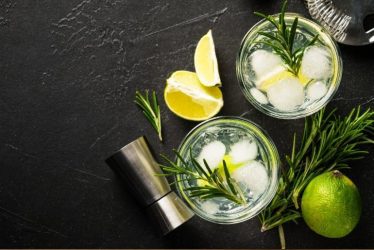
The image of gin today is all crystal glasses and crafted cocktails. Its earliest identity was far less exciting!
Centuries ago, juniper berries were valued for their supposed medicinal properties. European physicians believed they could help with a variety of ailments, from digestive complaints to infections. Distilled spirits infused with juniper eventually evolved into genever, the Dutch spirit widely regarded as gin’s ancestor.
Imagine telling someone in the 1600s that one day people would queue outside bars and pay premium prices for what they considered medicine. They would probably assume civilisation had taken a strange turn!
2. The World’s Most Famous Gin Cocktail Was Born In India
Few drinks have a backstory as practical as the Gin & Tonic.
During the British colonial period, malaria was one of the biggest threats facing soldiers and officials stationed in India. The most effective protection available at the time came from quinine, a bitter compound extracted from cinchona bark.
There was just one problem, though: quinine tasted terrible.
To make it easier to consume, it was mixed with sugar and water. Carbonation entered the picture later, creating what we now know as tonic water. Gin was eventually added to improve the flavour further.
Also Read: Cosmo Girl Or Pina Colada Princess? Your Favourite Cocktail Reveals More About You Than You Realise
3. London Once Had A Gin Problem So Serious It Alarmed The Government
Every generation has its moral panic! For London in the early 18th century, that panic was gin.
Production had become cheap, and availability exploded. Gin shops appeared everywhere, and the spirit became particularly popular among poorer communities because it was affordable and easily accessible.
The consequences were visible across the city. Artists satirised it, politicians condemned it, and newspapers obsessed over it.
The British government responded with multiple Gin Acts designed to curb consumption. Imagine a world where your drink of choice becomes such a national concern that Parliament repeatedly intervenes. That’s exactly what happened!
4. That’s How Gin Earned The Nickname “Mother’s Ruin”

The Gin Craze left behind more than legislation. It also produced one of alcohol’s most infamous nicknames.
As social reformers searched for explanations for poverty and family breakdown during the 18th century, gin became an easy target. Women who drank too much were often portrayed as neglectful mothers, and sensational stories circulated about the damage the spirit was supposedly causing to family life.
Whether those stories reflected reality or moral panic is still debated by historians. What isn’t debated is the nickname that lived: Mother’s Ruin.
Also Read: World Whisky Day: 10 Whisky Cocktail Recipes To Try If You’ve Had Enough Of Old Fashioned
5. An Everyday English Phrase Exists Because Of Gin
Language hides history in unexpected places. Take the phrase “Dutch courage.”
Today, people use it casually to describe confidence gained from alcohol. Its origins are believed to lie in military encounters between British and Dutch soldiers during the 16th and 17th centuries.
Dutch troops were known to drink genever before battle. British soldiers noticed, and the practice gained a reputation for calming nerves and boosting bravery. Eventually, the phrase entered common usage.
6. Some Early Gin Producers Used Strange Ingredients
Craft gin distillers today proudly advertise every botanical that goes into their bottles. Things were considerably less refined in the past.
When demand surged, and regulation lagged behind, some producers looked for shortcuts. Historical records suggest that certain low-quality gins were flavoured with turpentine because its pine-like characteristics were vaguely close to juniper.
Yes, the same substance most people associate with paint products.
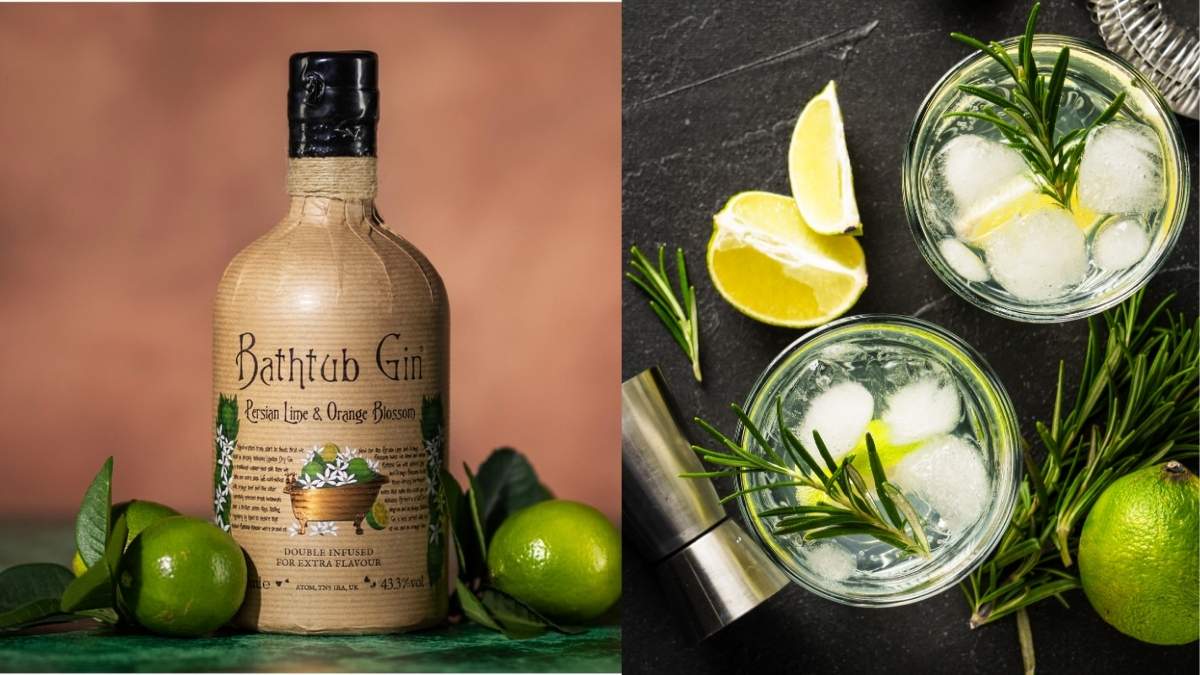
7. Bathtub Gin Wasn’t A Metaphor
The phrase sounds colourful enough to be slang! Spoiler alert: it wasn’t.
During Prohibition in the United States between 1920 and 1933, alcohol production moved underground. Since legal distilleries could no longer operate, many people began making spirits at home.
Bathtubs often became convenient mixing vessels simply because they were large enough to hold substantial quantities of liquid.
Also Read: World Cocktail Day: 10 Low-Calorie Cocktails For Smart Summer Drinking
8. Some Of The World’s Most Famous Cocktails Were Created To Hide Bad Gin
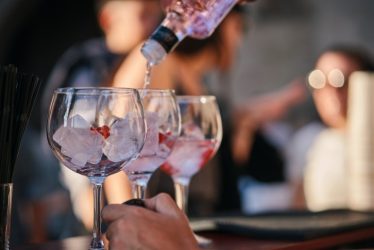
Cocktail culture owes a surprising debt to terrible alcohol!
Much of the gin produced during Prohibition was rough, harsh, and difficult to drink on its own. Bartenders and home drinkers got creative. Citrus juice, sugar, herbs, syrups, and liqueurs were added not because they enhanced the spirit, but because they disguised it.
It’s one of the great ironies of liquor history. Some of the world’s most sophisticated cocktails were born from desperation.
9. London Dry Gin Doesn’t Need To Come From London
This might be the most common misconception surrounding gin.
The phrase “London Dry” sounds geographical and most people naturally assume it refers to where the gin is produced. In reality, it refers to how the gin is produced.
London Dry Gin is a style defined by strict production methods and flavour standards. Distillers anywhere in the world can make it. A bottle produced in India, Japan, Australia, or South Africa can legitimately qualify as London Dry Gin if it follows the required rules.
Also Read: World Cocktail Day: 10 Summer Cocktails You Can Make In Under 5 Minutes
10. Gin Played A Role In Global History
History rarely credits cocktails with changing the world. Yet gin occupies a surprisingly interesting corner of imperial history.
Because quinine helped protect people against malaria, and because gin made quinine easier to consume, the Gin & Tonic became deeply embedded in colonial life across tropical regions.
No, gin didn’t build the British Empire. But it did become linked to one of the practical challenges facing soldiers, administrators, and travellers living in regions where malaria posed a constant threat.
That’s a remarkable legacy for a drink that many people now associate with brunch menus and weekend getaways.
So, which of these Gin facts surprised you the most on World Gin Day?
Cover Image Courtesy: bathtubgin/website and nadianb/Canva Pro
For more such snackable content, interesting discoveries and the latest updates on food, travel and experiences in your city, download the Curly Tales App. Download HERE.FAQs
What are some interesting facts about gin?
Gin started as a medicinal spirit, inspired the famous Gin & Tonic, survived Prohibition and even influenced everyday phrases like “Dutch courage.”
Why is gin called “Mother’s Ruin”?
The nickname emerged during London's 18th-century Gin Craze when social reformers blamed excessive gin consumption for family and social problems.
Was gin originally created as medicine?
Yes. Early forms of gin evolved from juniper-infused medicinal spirits and Dutch genever, which were believed to have therapeutic properties.


