



The UAE has launched a national plan aimed at keeping residents healthy as temperatures climb. The Ministry of Health and Prevention (MoHAP) unveiled the Health Sector Climate Adaptation Plan for 2026 to 2031 at the Abu Dhabi Future Health Summit, in the presence of Health and Prevention Minister Ahmed Ali Al Sayegh.
The UAE’s New Plan To Keep You Healthy As It Gets Hotter
Why Now?
Rising heat and humidity can bring on heatstroke and put extra strain on the heart and lungs, while dust storms and poor air quality can worsen asthma. The plan is built on an assessment of these risks, based on the UAE’s own climate, including rising temperatures and humidity, dust storms, and extreme weather. It also looks at how those conditions could affect healthcare services themselves.
The Six Health Areas
The plan focuses on:
- Heat-related illnesses
- Cardiovascular diseases (heart and circulation)
- Respiratory diseases (lungs and breathing, including asthma)
- Vector-borne diseases (those spread by insects such as mosquitoes)
- Water- and food-borne diseases (illnesses linked to contaminated water or food)
- Mental health
What The Plan Will Prioritise
Early Warnings
Extreme heat and air quality are the immediate priorities, along with early warning systems. The idea is to give health teams and residents notice before conditions turn risky. Al Sayegh said the plan brings together data, expertise and institutions to prepare health services for climate-related events.
Hospitals That Keep Running
A key aim is making sure essential care continues when climate pressures rise, so hospitals and health services can keep working through disruptions.
Disease Monitoring
Stronger disease monitoring is also part of the plan, alongside the early warning work. Tracking illness patterns more closely helps health teams spot trouble sooner and respond to it.
Who Is Behind It
MoHAP developed the plan with the Ministry of Climate Change and Environment, health authorities and specialised partners. It lines up with the UAE National Climate Change Adaptation Plan and supports the We the UAE 2031 vision and the COP28 UAE Declaration on Climate and Health. It also builds on the UAE’s 2019 framework for action on climate change and health.
Also Read: UAE Weather: Could El Niño Bring More Rain Or Heat To The Region This Year?
Hussain Al Rand, Assistant Undersecretary for the Public Health Sector at MoHAP, said the plan will turn climate-risk assessments into practical health measures.
What It Means For You
The announcement does not mention any new rules for residents. For now, the plan sets the direction, and the alerts and health services it promises are what you are likely to notice. Until then, the usual advice applies: drink plenty of water, limit time outdoors in peak heat, and take dust days seriously if you have asthma.
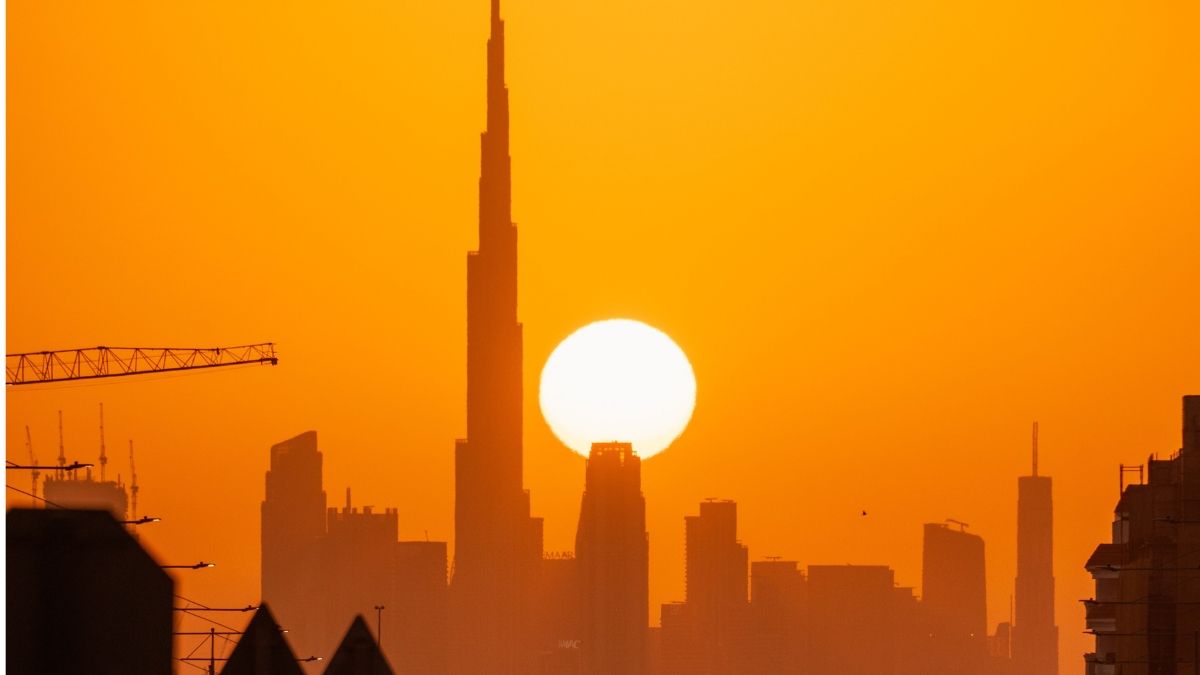
Cover Image Courtesy: CanvaPro/engrahmad2653 from pixabay
FAQs
What is the Health Sector Climate Adaptation Plan?
It is a national plan from the Ministry of Health and Prevention, running 2026 to 2031, to protect people from the health effects of climate change and keep health services available when climate pressures rise.
Which health risks does it cover?
Six areas: heat-related illnesses, cardiovascular diseases, respiratory diseases, vector-borne diseases, water- and food-borne diseases, and mental health.
Who developed the plan?
MoHAP, with the Ministry of Climate Change and Environment, health authorities and specialised partners. It aligns with the UAE National Climate Change Adaptation Plan and supports the COP28 UAE Declaration on Climate and Health.


