
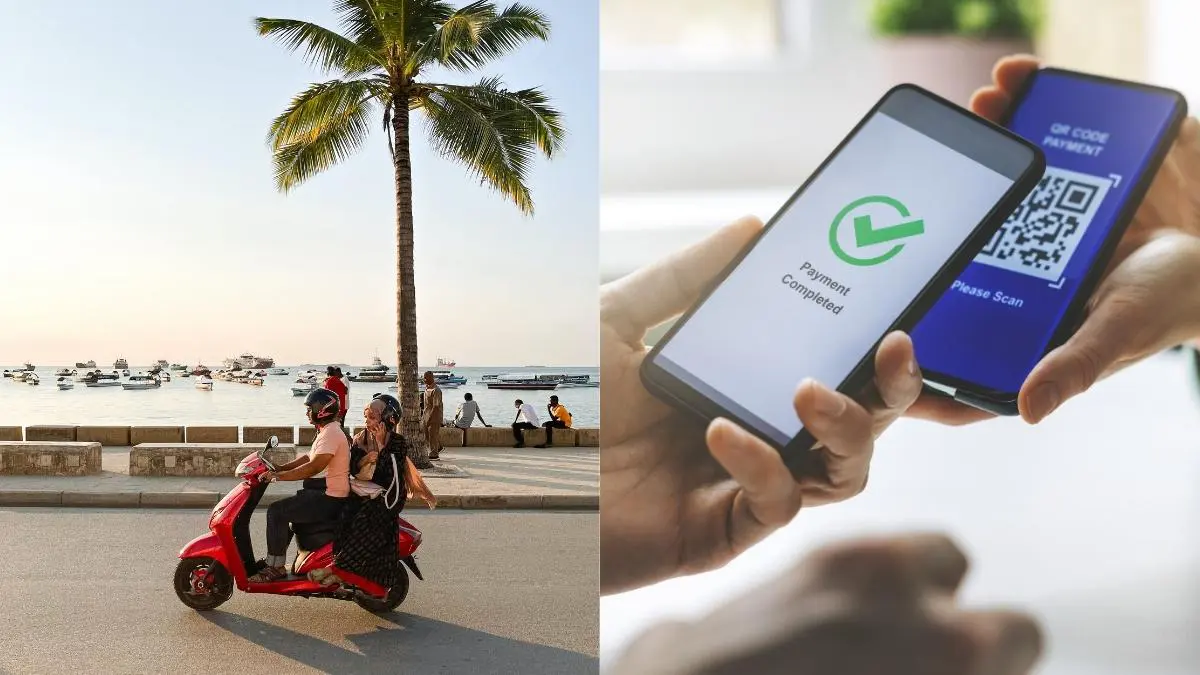



Despite endless “travel hacks” online, people continue falling for scams because travel naturally lowers defences. Nobody triple-checks a QR code after dragging luggage through immigration and nobody expects the customer care number at the top of a search page to be fake. The scams listed below are no longer rare incidents. In many popular destinations, they have sadly become a part of the tourism economy, and we are here to help you stay aware and prepared.
10 Travel Scams Every Tourist Should Know About Before Their Next Trip
1. Fake QR Codes Are Turning Ordinary Payments Into Financial Traps
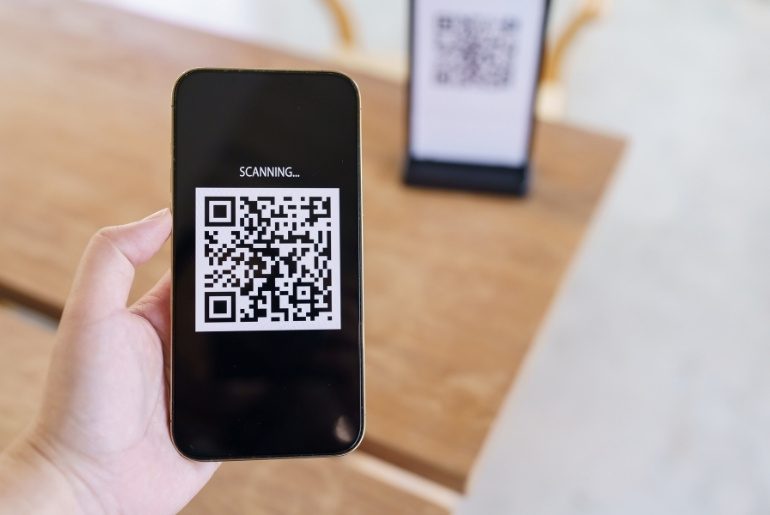
QR payments became normal so quickly that most people stopped thinking before scanning.
That habit is now being exploited in cafés, airports, parking spaces, metro stations, and even small souvenir shops. Scammers place fake QR-code stickers over legitimate ones, redirecting tourists to cloned payment pages or malicious websites that capture banking credentials and UPI details.
The dangerous part is how ordinary the interaction feels. Several businesses only discover these fake overlays after multiple customer complaints because the stickers are designed to blend seamlessly with existing branding.
Also Read: 8 Must-Have Apps That Make Travelling Across India Smoother In 2026
2. AI Has Made Fake Hotel Websites Disturbingly Convincing

Travel scams used to look sloppy. But now, scammers are using generative AI tools to build hotel and airline websites that look professionally designed from top to bottom. They feature realistic reviews, polished cancellation policies, customer support chats, and high-resolution room photography pulled from genuine listings.
Some fake sites even imitate urgency tactics used by legitimate booking platforms: “Only two rooms left,” “Booked 14 times today,” “Flash sale ending in 10 minutes.”
Tourists often notice nothing unusual because the websites behave exactly like real booking portals. Then the traveller reaches the destination and learns the reservation never existed. By that point, the website has usually disappeared.
Also Read: Skip The Crowd: 5 Less Crowded Beach & Hill Getaways In India For A Peaceful Summer Escape
3. Fake Customer Care Numbers Thrive On Panic
A cancelled booking can make intelligent people act recklessly within minutes.
That is precisely why fake customer-care scams work so well. Travellers searching online for airline helplines or hotel support often click the first number they see, especially when flights are delayed or payments fail. Fraudsters understand that urgency kills scepticism.
The scammer answers professionally, sounds reassuring, and immediately begins “helping.” The conversation then shifts toward OTP verification, refund processing, remote screen access, or advance payment charges.
4. Airport Taxi Scams Have Evolved Beyond Simple Overcharging
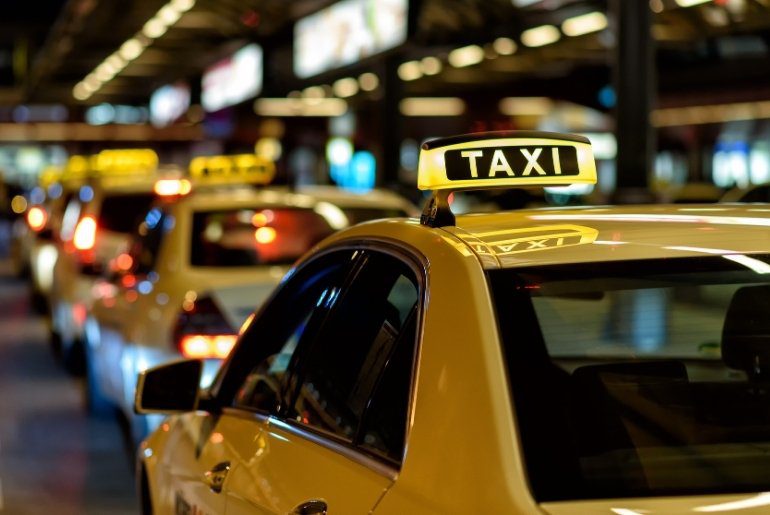
Tourists still imagine taxi scams as drivers refusing to use the metre. That version barely scratches the surface anymore!
Outside airports, fake drivers now operate with cloned rideshare branding, fabricated booking screenshots, and printed hotel signs. Some claim your actual cab was cancelled. Others insist app pickups are banned from the terminal. A few simply say, “Your hotel sent me.”
Once inside the vehicle, tourists are often pushed toward cash payments, inflated rates, or unnecessary detours. In cities with heavy tourist traffic, drivers sometimes receive commissions for bringing foreigners to gemstone stores, carpet showrooms, or “government-approved” handicraft outlets where prices are absurdly inflated.
Also Read: What Are Destination Dupes, A Gen Z Travel Hack That Can Help You Plan A Budget-Friendly Trip?
6. Fake “Skip-The-Line” Tours Are Cashing In On Tourist Fatigue
Nobody wants to spend three hours standing outside a landmark after travelling across continents to see it.
Scammers know this! That is why fake ‘Express Entry’ tours and “VIP access” experiences are exploding in tourist-heavy destinations. Travellers are approached online through Instagram ads, travel reels, unofficial websites, and local agents promising private access or hidden-city experiences.
Sometimes the tickets are completely fake. Sometimes tourists receive generic entry passes worth a fraction of what they paid. Occasionally, the operator vanishes entirely after payment.
7. Pickpocketing Has Become A Team Sport
In many tourist cities, modern pickpocketing has become more common than you’d imagine.
The distractions are surprisingly mundane. It may be a child asking for signatures on a petition, someone dropping coins nearby, a sudden spill on a shirt, or a stranger aggressively tying a bracelet around someone’s wrist “for friendship.”
Cities packed with tourists create ideal conditions for this style of theft because travellers carry everything valuable at once: passports, foreign currency, cards, phones, and cameras. And unlike digital scams, this one leaves victims stranded immediately.
8. Scooter Rental Scams Continue To Flourish In Beach Destinations
Bali, Phuket, Goa, and several Mediterranean beach towns have become notorious for rental disputes that follow an eerily pattern.
A tourist rents a scooter quickly, often without photographing existing scratches or damage. Hours later, the rental operator points to a dent, cracked mirror, or scratched panel and demands a massive repair fee.
9. Dating-App Scams Are Bleeding Into Tourist Nightlife
Travel and dating apps have become deeply intertwined, especially among solo travellers. A tourist matches with someone attractive in a new city. The conversation escalates quickly. They are invited to a trendy cocktail bar or lounge that appears completely legitimate from the outside.
Then the bill comes. It includes luxury bottle charges, entertainment fees, imported drink rates, or private-table costs the tourist never knowingly agreed to. In several reported cases across Asia and Eastern Europe, victims were pressured aggressively into paying before being allowed to leave.
People feel embarrassed, confused, or hesitant to create conflict in an unfamiliar country. The setting looks glamorous enough to make the inflated pricing seem temporarily plausible.
Also Read: In-Flight Theft Warning: Travellers Urged To Stay Alert To Cabin Distraction Scams
10. Public Wi-Fi Networks Are Harvesting Tourist Data
The most dangerous travel scam may be the one nobody physically sees happening.
Cybercriminals increasingly create fake public Wi-Fi networks that mimic airport, café, hotel, and shopping-mall connections. Travellers connect automatically, assuming the network is genuine because the name looks familiar.
From there, login credentials, banking information, emails, and stored passwords can be intercepted with alarming ease.
Even legitimate public Wi-Fi systems remain risky when travellers access sensitive accounts without protection.
So, how many of these did you already know?
Cover Image Courtesy: ronstik/Canva Pro and qarimzam/Canva Pro
For more such snackable content, interesting discoveries and the latest updates on food, travel and experiences in your city, download the Curly Tales App. Download HERE.FAQs
What are the most common travel scams in 2026?
Some of the most common travel scams include fake QR code payments, AI-generated hotel booking websites, fake airport taxi drivers, dating-app scams, scooter rental frauds, and public Wi-Fi cyber scams.
How do fake QR code scams work?
Scammers place fake QR-code stickers over genuine payment codes, redirecting travellers to fraudulent payment pages or phishing websites.
Are fake hotel booking websites common now?
Yes. AI-generated websites now closely imitate real hotel and airline booking portals, making them difficult for tourists to identify.
Why are airport taxi scams still so common?
Tourists arriving tired and unfamiliar with local transport systems become easy targets for fake drivers, inflated fares, and misleading ride offers.
Is public Wi-Fi dangerous while travelling?
Yes. Fake or unsecured public Wi-Fi networks can expose passwords, banking information, and personal accounts to cybercriminals.


