
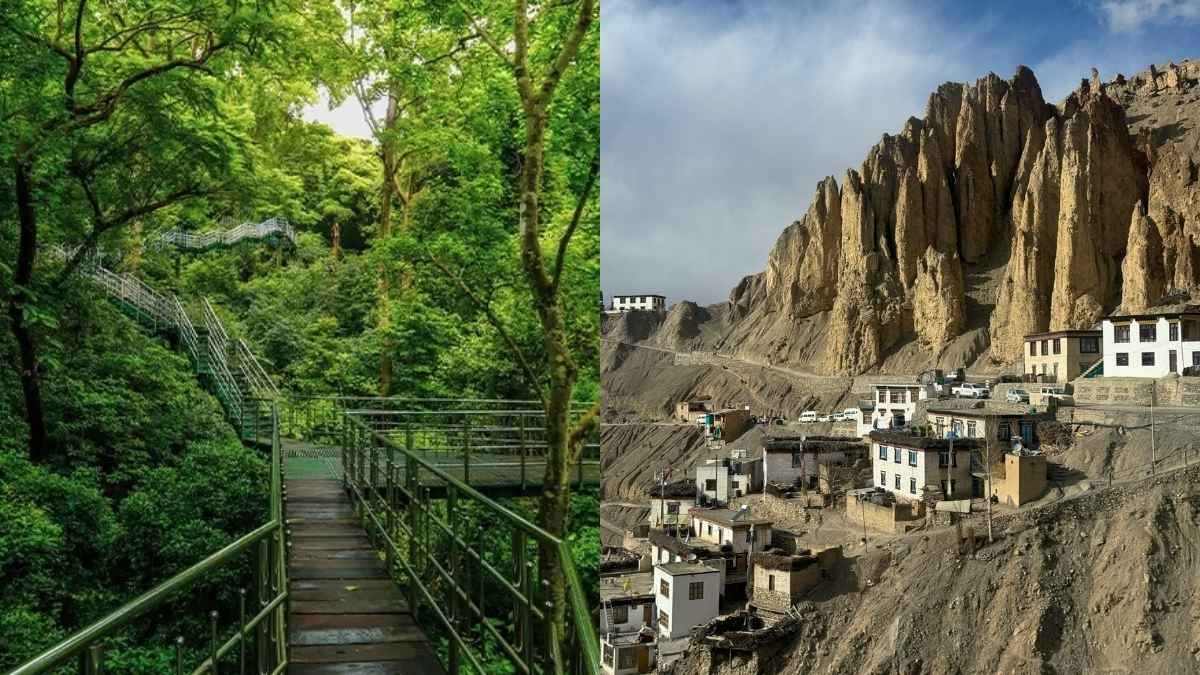



Since 1970, April 22 has been observed as World Earth Day, a day dedicated to promoting environmental protection, raising awareness about pollution and climate change, and encouraging global action for a sustainable future, including how and where we travel. As travellers increasingly seek experiences that are not just memorable but also mindful, eco-tourism in India is gaining momentum. From pristine landscapes to community-led initiatives, these destinations allow you to explore responsibly while minimising your environmental impact. So, here are seven eco-tourism destinations in India you should visit this year.
World Earth Day Special: 7 Eco-Tourism Destinations In India
1. Mawlynnong, Meghalaya

Often referred to as “Asia’s cleanest village” and “God’s Own Garden,” Mawlynnong stands out as a model for sustainable travel this World Earth Day. Travellers can opt for eco-friendly homestays, savour simple local cuisine, and explore nearby highlights like the Living Root Bridges and scenic viewpoints—all while keeping their environmental footprint minimal.
2. Thenmala, Kerala
Did you know that Thenmala is India’s first planned eco-tourism destination? Nestled in the Western Ghats, this scenic destination in Kerala offers a well-balanced mix of adventure, leisure, and environmental awareness with designated zones for activities to minimise ecological impact.
3. Coorg, Karnataka
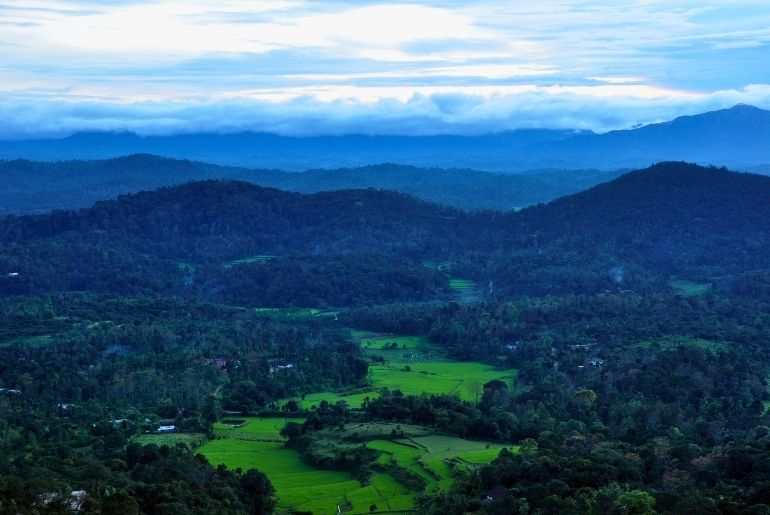
If you’re a coffee enthusiast or someone who loves being surrounded by nature, then Coorg should definitely be on your bucket list. Surrounded by coffee plantations, forests, and misty hills, it offers a slower, more mindful way to explore nature and is ideal for those looking to travel sustainably. You can stay at eco-friendly homestays and plantation stays and indulge in low-impact activities like trekking and birdwatching here.
4. Kodaikanal, Tamil Nadu
If World Earth Day has inspired you to book a vacation to a serene hill station with cool climate, lush forests, a scenic lake, nice treks, and stunning waterfalls, then Kodaikanal is the place for you! The place encourages slow, responsible travel that allows you to take a break and breathe away all the stress of daily life!
Also Read: Ooty Vs Kodaikanal: Which Hill Station Wins On Food, Budget, And Beauty?
5. Spiti Valley, Himachal Pradesh
Raw, untouched landscapes, ancient monasteries, and high-altitude desert terrain–Spiti Valley is all this and more! This place in Himachal Pradesh will make you embrace minimalism and mindful exploration with its community-run homestays and activities like trekking, village walks, and monastery visits.
6. Sundarbans National Park, West Bengal
Home to the Bengal tigers and the world’s largest mangrove forest, Sundarbans National Park is a biodiversity hotspot that highlights the importance of conservation. The place has regulated boat safaris, guided tours, and community-led initiatives that help protect the fragile ecosystem here, and if you’re looking for a place to explore on World Earth Day, then this place surely deserves your attention.
7. Divar Island, Goa
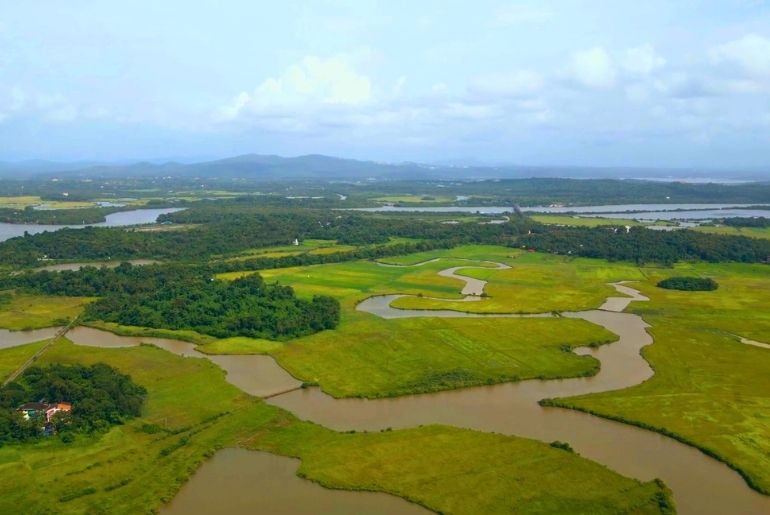
Beyond its party image, Goa also offers quieter, more mindful escapes like Divar Island. Accessible by ferry, the island can be explored through cycling, walking trails, and village tours. This allows travellers to soak in its natural beauty with minimal impact on the environment.
Also Read: Over-Tourism Is Real: 8 Smarter Alternatives To India’s Most Crowded Destinations
So, this World Earth Day, which of these eco-friendly destinations are you planning for your next vacation?
Cover Image Courtesy: website/Kerala Tourism & Pexels
For more such snackable content, interesting discoveries and the latest updates on food, travel and experiences in your city, download the Curly Tales App. Download HERE.FAQs
When and why is World Earth Day celebrated?
It is observed on April 22 every year to raise awareness about environmental protection, climate change, and sustainable living.
What is eco-tourism?
Eco-tourism is a responsible way of travelling that focuses on conserving nature, supporting local communities, and minimising environmental impact.
Why is eco-tourism growing in India?
Travellers are increasingly choosing sustainable experiences, leading to the growth of eco-tourism destinations that preserve biodiversity and promote slow, mindful travel.
Which are some popular eco-tourism destinations in India?
Some well-known destinations include Spiti Valley, Sundarbans National Park, Coorg, Mawlynnong, and Divar Island.


