
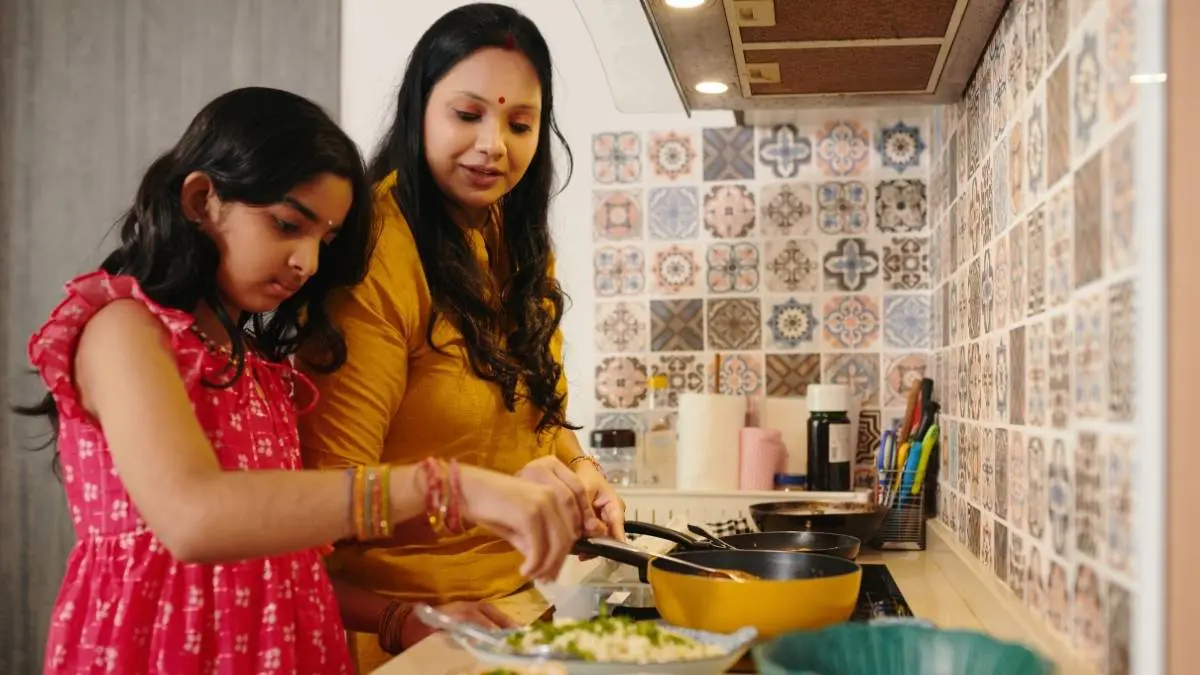


Somewhere between the pressure cooker whistles, half-cut vegetables, and that permanent steel dabba full of “just in case” snacks, Indian mothers accidentally became culinary experts. And honestly, no restaurant kitchen has ever matched the chaos-management skills of an Indian mother cooking during Diwali while simultaneously yelling, “Taste the salt in the dal!” This Mother’s Day 2026, let’s revisit all that mothers do in the kitchen, which professionals literally swear by!
Mother’s Day 2026: 10 Ways Indian Mothers Mastered Professional Cooking
1. Cleaning While Cooking, Not After
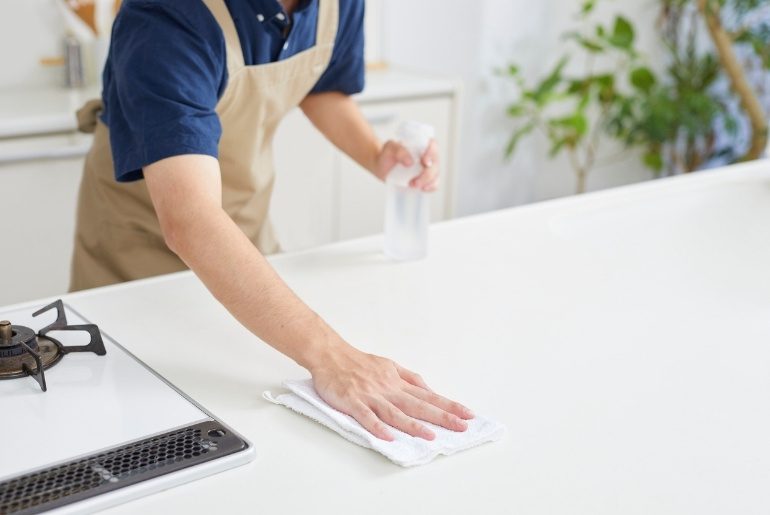
There are two types of people in this world: people who leave the kitchen looking like a crime scene after cooking, and mothers.
Before the onions are fully browned, half the utensils are already washed. The counter has been wiped three times, and the vegetable peels are gone. Somehow, the sink is never overflowing the way it does when the rest of us cook Maggi.
Professional kitchens operate the same way. Chefs are trained to clean continuously because clutter slows down service and creates mistakes. Restaurant staff even have a phrase for it: “clean as you go.”
Mothers do not need phrases. They just know nobody wants to deal with mountain-sized dishes after dinner.
Also Read: Mother’s Day 2026: 15 Special Menus & Experiences In India To Celebrate Your Beloved Mom
2. Their Prep Work Would Terrify MasterChef Contestants
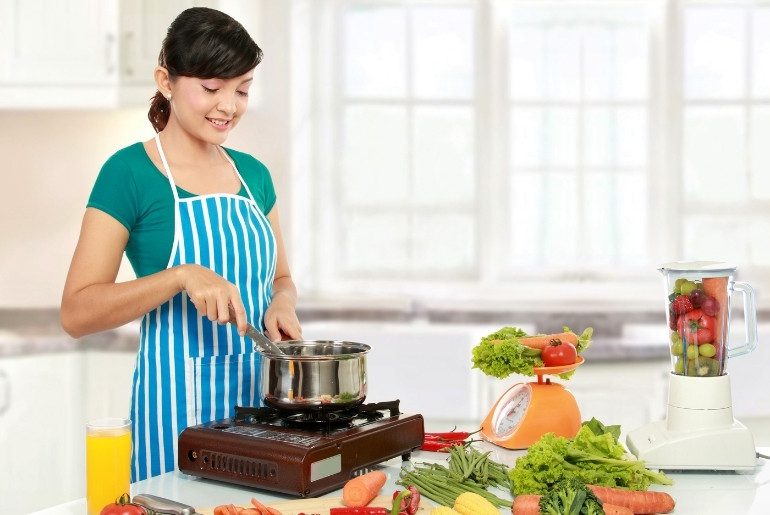
Watch an Indian mother cook properly once.
Before the stove is switched on, there are chopped tomatoes lined up in steel bowls, coriander already washed, ginger-garlic paste ready, dough resting under a plate, curd out of the fridge, pressure cooker prepped, and masalas arranged like surgical instruments.
Professional chefs call this mise en place, which sounds fancy until you realise your mother has basically practised it for twenty years while watching serials in the background.
This is also why moms can cook six things at once without having a breakdown.
Also Read: Mothers Day 2026: 15 Thoughtful Gifts Ideas That Go Beyond Flowers & Chocolates For Your Mom
3. Moms Taste Food Like Scientists
Recipes online will tell you to add “one teaspoon salt.”
Mothers laugh at this concept!
Because salt depends on tomatoes, onions, how much water evaporates, and whether the rice will be eaten with curd.
Professional chefs taste dishes constantly during cooking because flavours shift every few minutes.
Mothers do not explain the chemistry, but they understand it deeply. That quick spoon-taste in the middle of cooking is not random; it is a calibration.
Also Read: “Just Indian Mom Things”: Indian Mom Packs Pressure Cooker For Overnight Train, Video Goes Viral
4. They Trust Their Senses More Than Gadgets
Most moms know the oil is ready without thermometers. They know rotis are done from the smell, and they can hear when pakoras are frying correctly.
Meanwhile, the rest of us are staring at the air fryer instructions as if we are diffusing a bomb.
Professional chefs rely too much on sensory cooking, too. In busy restaurant kitchens, nobody has time to Google whether onions are “light golden” or “medium golden.” Experience takes over!
The funny part is modern kitchens keep trying to sell gadgets for instincts mothers already developed years ago.
5. Every Kitchen Has A Hidden System Only Moms Understand
Nobody else knows where anything is.
You open one drawer looking for scissors and somehow find cloves, birthday candles, rubber bands, and old restaurant sachets.
But ask mom where the elaichi is? You’ll get an immediate answer.
Professional kitchens obsess over efficiency because wasted movement wastes time. Chefs place ingredients strategically so they can cook faster during service.
Indian mothers built this system naturally. The pressure cooker stays here, tea leaves stay there, and the “good spoons” are hidden somewhere nobody else is allowed to touch.
It looks random until you realise it is actually an operational genius.
6. Leftovers Become Entirely New Meals
Restaurant chefs today proudly talk about “food sustainability” and “low-waste kitchens.”
Indian mothers have entered the chat.
Last night’s rotis became breakfast chivda, extra rice transforms into lemon rice by morning, and leftover sabzi suddenly appears inside sandwiches nobody asked for, but everybody eats anyway.
Professional chefs respect this mindset because modern restaurants are under pressure to reduce food waste. Ingredient reuse has become both an environmental and financial priority.
Mothers did not start doing this because it was trendy. They did it because wasting perfectly good food felt almost criminal.
Also Read: Did You Know South Korea’s Bibimbap Is Originally A Dish Made Out Of Leftovers?
7. The Peel Is Never “Just A Peel”
This might be the most underrated thing Indian mothers do.
Bottle gourd peels become chutney, watermelon rind becomes sabzi, and orange peels turn into murabba. Even coriander stems get chopped and thrown into gravies because “flavour hai usme.”
Today, fancy restaurants call this “root-to-stem cooking.” Food influencers call it sustainable living, and Michelin-starred chefs proudly discuss zero-waste menus.
Meanwhile, mothers have quietly been standing in kitchens for decades, thinking, “Why would anyone throw this away?”
8. They Handle Multiple Dishes Like Air Traffic Controllers
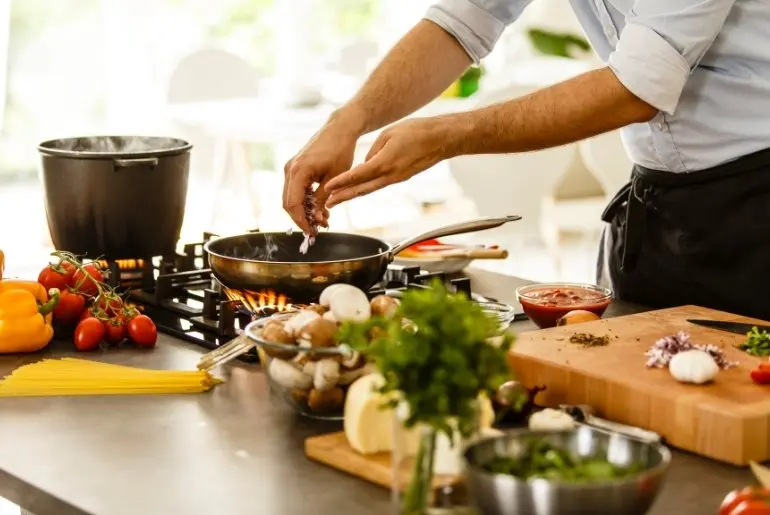
A dal is simmering, rotis are puffing up and rice is almost done!
And somehow nothing burns.
Professional chefs often say timing is harder than cooking itself. Making one dish is easy, but making five dishes finish together is where skill comes in.
This is why Indian mothers would absolutely dominate professional kitchens if they wanted to.
The coordination alone is terrifying.
9. Moms Understand That Good Food Cannot Be Rushed
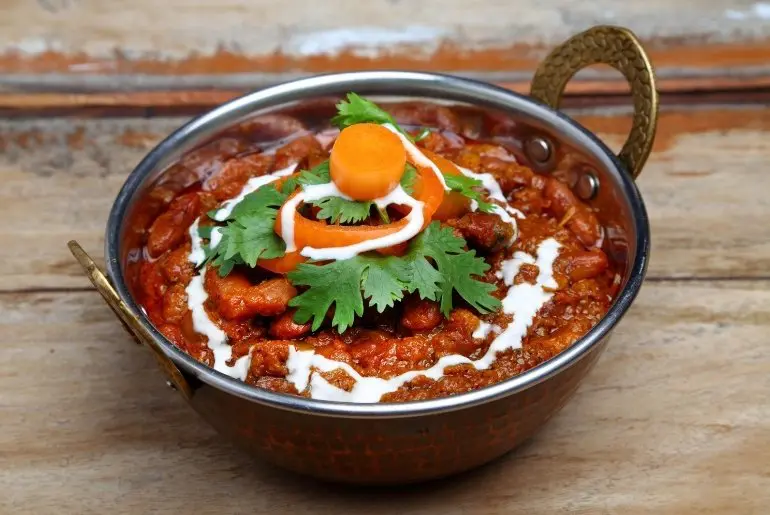
You cannot bully rajma into tasting better faster.
Mothers know this! Slow-cooked onions taste sweeter, rested dough behaves differently and spices roasted patiently develop depth that hurried cooking never achieves.
Professional chefs swear by slow cooking for the same reason; time changes flavour.
But modern cooking culture sometimes acts as if every meal should happen in twelve minutes or less. Mothers never fully bought into that idea.
Some dishes need waiting, some gravies need another ten minutes and some recipes are built entirely around patience.
And honestly, they are usually right.
Also Read: Met Gala 2026: How Everyday Indian Kitchen Items Like Dabbas Became Ananya Birla’s Moment
10. Homemade Bases Change Everything
There is a reason homemade food tastes different.
Not because restaurant chefs lack skill, but because mothers build flavour from the ground up, from fresh ginger-garlic paste, roasted masalas, homemade curd and chutneys that are adjusted mid-way because “something feels off.”
Professional kitchens work similarly. The best restaurants make their own stocks, sauces, spice blends, and bases because foundational flavour matters more than flashy garnishes.
This Mother’s Day 2026, maybe the most accurate way to describe Indian mothers is this; they are highly trained kitchen professionals who never got official credit for it.
Cover Image Courtesy: dragonimages/Canva Pro
For more such snackable content, interesting discoveries and the latest updates on food, travel and experiences in your city, download the Curly Tales App. Download HERE.FAQs
Why are Indian mothers compared to professional chefs?
Indian mothers manage timing, multitasking, flavour balancing and kitchen organisation with skills similar to professional chefs.
What cooking habits do Indian moms share with restaurant chefs?
Indian moms practise prep work, clean-as-you-go cooking, sensory cooking and ingredient management like trained chefs.
Why is this Mother’s Day article relatable for Indian families?
Because it highlights everyday kitchen skills and invisible labour that many people only recognise after growing up.


