

Modak gets all the Ganpati glory. It has the iconic shape, the coconut-jaggery filling, the whole “Ganpati Bappa’s favourite” reputation. Fair enough! But travel across India during Ganesh Chaturthi and you quickly realise that Bappa’s festive menu is much, much bigger than one perfectly pleated dumpling. Different regions bring their own sweets to the puja thali and here are some you cannot miss.
Ganesh Chaturthi Food: 10 Regional Sweets Made For Bappa Across India
1. Patoleo, Goa
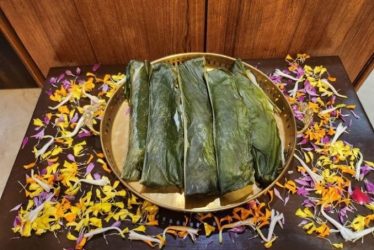
If a dessert could smell like the monsoon, patoleo would be it. A Goan and Konkani festive favourite, patoleo is made by spreading a thin rice paste over fresh turmeric leaves, covering it with a filling of grated coconut and jaggery, and steaming the parcels. Patoleo is made around Ganesh Chaturthi in Goa, where the festival is known as Chovoth, as well as for other Konkani Hindu occasions. The best part is that, well, you unwrap it like a tiny edible parcel, which feels unnecessarily exciting for something made from rice and coconut.
2. Nevri, Goa & Konkan
Goa has another Ganpati sweet that deserves its own fan club: nevri, also called neuri. Imagine a gujiya that took a tropical holiday. The crisp and fried pastry is filled with coconut, sugar, poppy seeds, cardamom and nuts, although recipes vary between households. Nevri is traditionally prepared in Goa during Ganesh Chaturthi and Diwali, and it is also found in the wider Konkani culinary belt.
3. Panchakajjaya, Karnataka
Now for the sweet that sounds like a spell from Harry Potter but is actually a very old Karnataka offering. Panchakajjaya is a traditional naivedyam associated with Ganesh Chaturthi in parts of the state. Its name refers to the use of five ingredients, although the exact combination differs across communities. A common version brings together roasted Bengal gram, coconut, sugar, sesame and ghee. It is simply mixed into a crumbly, nutty, aromatic preparation and offered to Ganesha. Sometimes the most traditional festival food is also the least interested in looking fancy.
4. Karigadabu, Karnataka
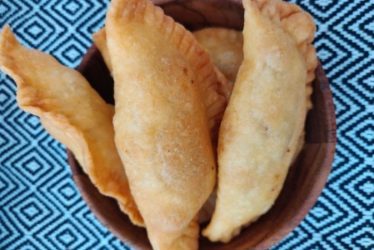
Karigadabu is what happens when Karnataka takes the basic coconut-jaggery festive filling and decides it should have a crunchy jacket. Closely related to the karanji family, this fried sweet has a pastry-like outer layer encasing a filling that commonly combines coconut, jaggery or sugar, cardamom and roasted ingredients. Karnataka’s Ganesh Chaturthi spread can include both steamed kadubu and fried preparations such as karigadabu, so the same festival can give you two entirely different textural experiences. One is soft and steamed; the other makes that little crrrunch when you bite into it.
5. Kozhukattai, Tamil Nadu
In Tamil Nadu, kozhukattai is basically modak’s South Indian cousin, except this cousin has a much bigger personality. The classic sweet version has a delicate rice-flour shell filled with thengai pooranam, a mixture of coconut and jaggery, and is steamed for Vinayaka Chaturthi. But Tamil kitchens don’t stop there. There are sesame-filled versions, lentil-filled versions and tiny varieties too. The result is a fascinating reminder on Ganesh Chaturthi that the familiar coconut-jaggery dumpling isn’t owned by one state or one name.
6. Kozhukatta, Kerala
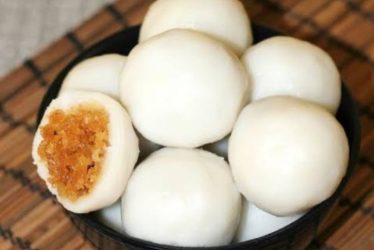
Kerala has its own version in kozhukatta, where rice flour, coconut and jaggery come together in a soft steamed dumpling. During Vinayaka Chaturthi, the sweet is prepared as an offering to Ganesha, although kozhukatta has a life far beyond this one festival in Kerala’s food culture. It is a rice-flour exterior wrapped around a sweet coconut-jaggery centre. Some versions are shaped into little balls, while others are elongated or pinched differently. It is proof that when an ingredient combination works, Indian food culture will happily reinvent it 25 different ways.
7. Poornam Kudumulu, Andhra Pradesh & Telangana
In Andhra Pradesh and Telangana, Ganesh Chaturthi is celebrated as Vinayaka Chaviti, and the festive naivedyam has its own vocabulary. One traditional preparation is poornam kudumulu, a steamed rice-flour dumpling filled with poornam, usually a sweet mixture of jaggery and coconut, sometimes with lentils depending on the recipe. The region also makes undrallu, but those are generally steamed rice-and-lentil balls rather than a conventional sweet.
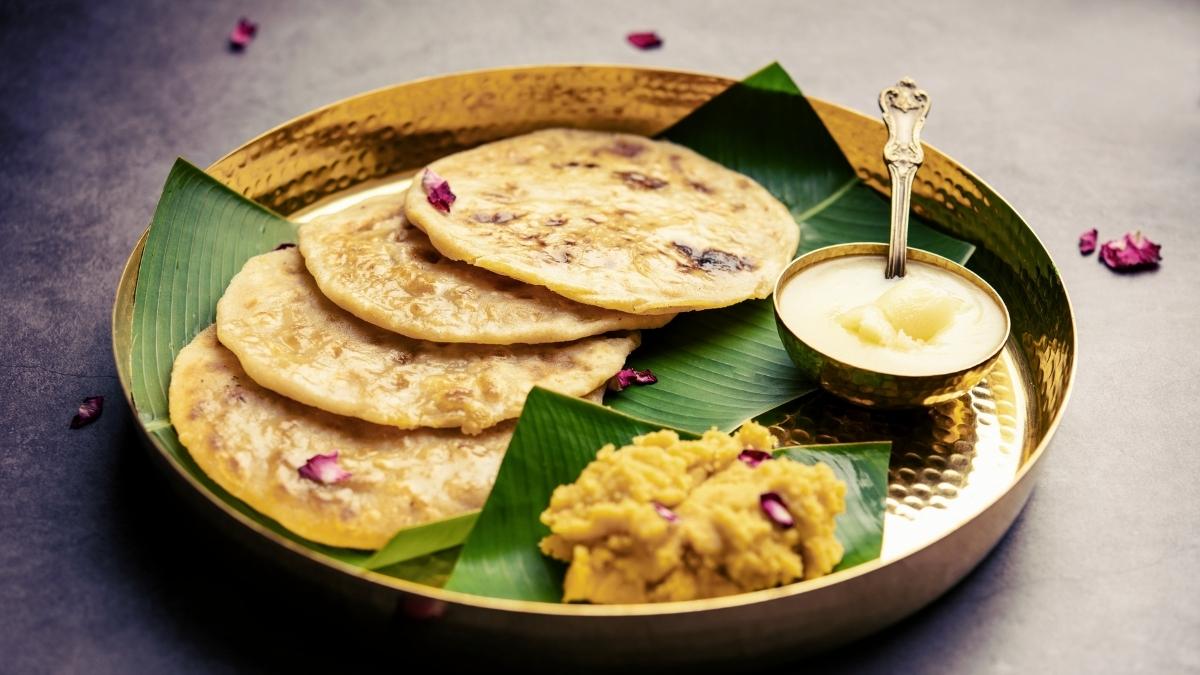
8. Puran Poli, Maharashtra
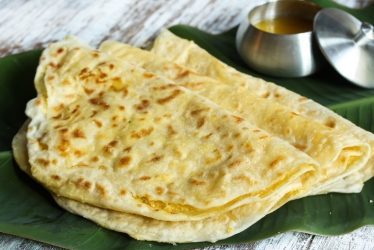
Maharashtra may be synonymous with modak, but puran poli is not about to let it monopolise the spotlight. This festive flatbread is made by stuffing wheat-flour dough with puran, a sweet mixture traditionally made from cooked chana dal, jaggery and aromatic spices such as cardamom. The stuffed dough is rolled thin and cooked on a hot tawa, usually followed by a generous swipe of ghee. It is softer, heavier and far more substantial than a modak, less one sweet with chai, more okay, apparently lunch is also dessert today.
9. Kakara Pitha, Odisha
Odisha’s enormous pitha tradition brings kakara pitha to the conversation. It is a fried festive sweet made in different versions using ingredients such as semolina, coconut and cardamom, with recipes varying across households. The outside turns golden and crisp while the coconut-rich centre stays soft and fragrant. Kakara isn’t exclusively a Ganesh Chaturthi sweet, but it belongs to Odisha’s larger tradition of making pithas for festivals and ritual occasions. Think of it less as Odisha’s answer to modak and more as another member of India’s vast family of festive, filled sweets.
Also Read: For First Time In 9 Years, Why Will Ganesh Chaturthi Be Celebrated For 12 Days?
10. Sukhdi, Gujarat & Rajasthan
And then there is sukhdi, the sweet that looks almost suspiciously simple until you realise how much flavour three ingredients can produce. Traditionally made by roasting whole-wheat flour in ghee and mixing it with jaggery before allowing it to set, this Gujarati staple is also common in Rajasthan and is prepared on auspicious and festive occasions. It is dense, crumbly and oh-so-nutty from the roasted flour, with jaggery giving it that caramel-like depth.
Suddenly, “modak” feels more like a whole extended family. Rice, coconut, jaggery, lentils, ghee and nuts keep turning up, but every region gives them a different accent. That is the most delicious thing about Ganpati across India: Bappa may arrive on Ganesh Chaturthi with the same elephant-headed smile, but the plate waiting for him changes dramatically from one kitchen to the next.
Cover Image Courtesy: cotosiurie’s/Canva Pro
FAQs
What sweets are made for Ganesh Chaturthi apart from modak?
Across India, devotees prepare regional sweets such as patoleo, nevri, panchakajjaya, kozhukattai, poornam kudumulu, puran poli and sukhdi.
Which Goan sweets are made during Ganesh Chaturthi?
Patoleo and nevri are two traditional Goan sweets associated with festive occasions including Ganesh Chaturthi. Patoleo is steamed in turmeric leaves, while nevri is a crisp fried pastry.
What sweets are prepared for Ganesh Chaturthi in South India?
South Indian festive offerings include Karnataka’s panchakajjaya and karigadabu, Tamil Nadu’s kozhukattai, Kerala’s kozhukatta and poornam kudumulu from Andhra Pradesh and Telangana.
Is puran poli made during Ganesh Chaturthi?
Yes. Puran poli is a popular Maharashtrian festive dish made with wheat-flour dough and a sweet filling of chana dal, jaggery and aromatic spices.
Are these sweets exclusively made for Ganesh Chaturthi?
Not always. Many of these sweets are part of wider regional food traditions and are prepared for several festivals and religious occasions, with Ganesh Chaturthi being one of them.


