


The Federation of European Businesses in India has reached out to the Centre requesting an exemption from a 10% import duty on glass bottles and aluminum cans. In its letter, the body highlighted a growing supply crunch, noting that local manufacturers are unable to operate at peak capacity due to rising costs. Here’s all you need to know.
European Alcohol Companies Seek Tariff Relief From India
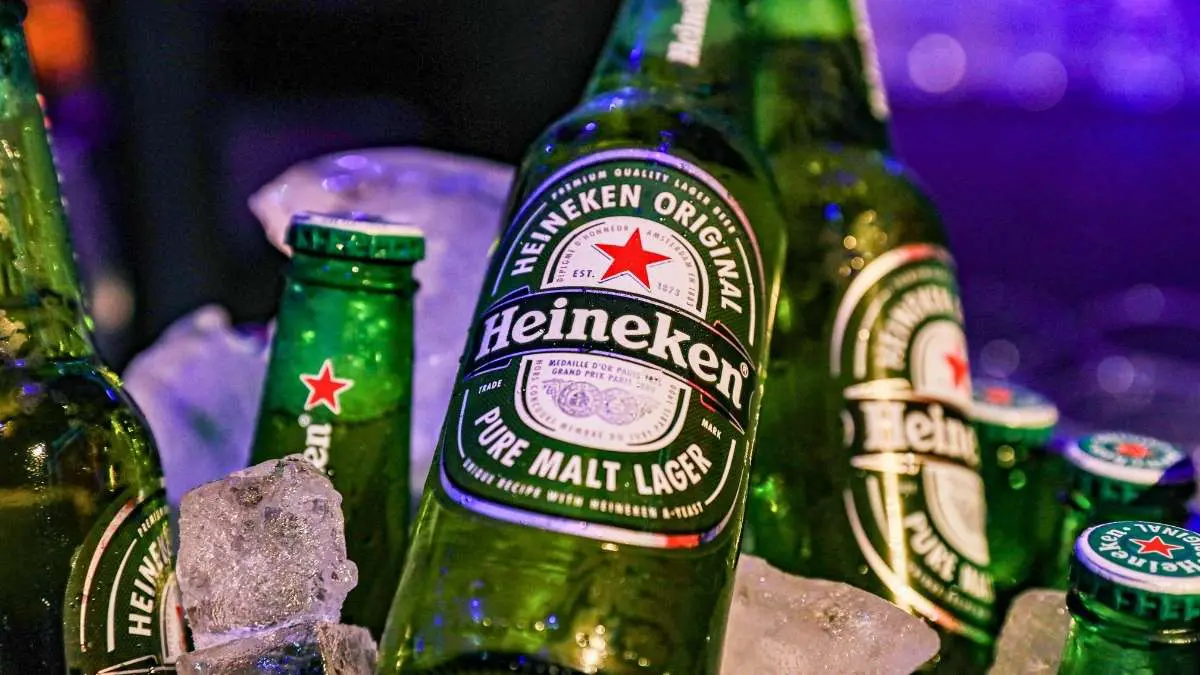
According to NDTV Profit, alcoholic beverage companies like Pernod Ricard, Anheuser-Busch InBev, Heineken and Carlsberg were among the alcohol companies seeking an exemption from a 10% import duty imposed on glass bottles and cans.
In its letter, the body pointed out several important points. To begin with, they highlighted that India’s $65 billion alcohol market is facing rising costs for essentials like glass bottles, cartons and labels, partly due to the ongoing conflict in the Middle East. Passing these higher costs on to consumers is difficult, as retail price revisions require government approval in most states.
Also Read: Are Beer Prices In India Set To Rise Due To The West Asia Conflict?
Why Are Prices Of Cans & Glass Bottles On Rise?
The ongoing conflict in West Asia has disrupted supply chains, leading to shortages and putting pressure on local manufacturers, who are struggling to keep up with demand. In response, European alcohol beverages companies are now seeking support from the Indian government.
According to a Reuters report citing Coherent Market Insights, the alcohol industry is facing a 15% rise in costs due to higher prices of raw materials such as cartons and adhesives. Despite these challenges, the sector is expected to grow at an annual rate of 8% through 2033.
In fact, Indian liquor companies are also now exploring imports from Southeast Asia. Meanwhile, the Brewers Association of India has urged state governments to allow price hikes to help the industry cope with rising costs.
Commenting on this price rise, Suraj Mehta, Chief Strategy Officer at Hindusthan National Glass & Industries Ltd (HNGIL) said, “The West Asia conflict has had a pronounced second-order impact on India’s container glass ecosystem. This is particularly through disruptions in energy availability and logistics. While the ceasefire presents a window of opportunity, it is far from a near-term solution. Supply chains, especially in energy-intensive industries like glass, do not normalise overnight. We are currently operating with nearly up to 50% cuts in commercial LPG supplies across our six plants.”
He added, “While we are navigating this through increased reliance on LNG and limited substitution with furnace oil, currently up to about 20%, these are not seamless transitions in the short run. Glass furnaces are continuous processes. They cannot be unsettled and resettled instantly. Even a brief disruption risks damage, while a full restart can take six to twelve months. It cost anywhere between ₹50 crore to ₹150 crore. This is beginning to impact high-demand sectors like beer and soft beverages. This is concerning, especially with the summer season approaching, where demand is strong but supply remains constrained.”
Stay tuned to Curly Tales for more updates.
Cover Image Courtesy: Pexels (representative image)
For more such snackable content, interesting discoveries and the latest updates on food, travel and experiences in your city, download the Curly Tales App. Download HERE.FAQs
Why are beer prices about to rise in India?
Due to the ongoing West Asia conflict, there is a supply chain disruption causing prices of cans, glass bottles and raw materials such as cartons and adhesives to go up.
Why is the Federation of European Businesses in India asking for tariff relief on alcohol tariff?
The Federation of European Businesses in India is seeking tariff relief mainly due to a growing supply and cost crisis in the alcohol industry.
Why are prices of cans & glass bottles on rise?
Amid West Asia conflict and supply chain disruption, raw materials like can and glass bottles are getting expensive.


